Pro-Russia Rumen Radev wins Bulgaria vote, eyes tougher foreign policy
Rumen Radev won about 44% as Bulgaria held its eighth election in five years, and his first moves on sanctions, energy and NATO will show whether he governs as a pragmatist.
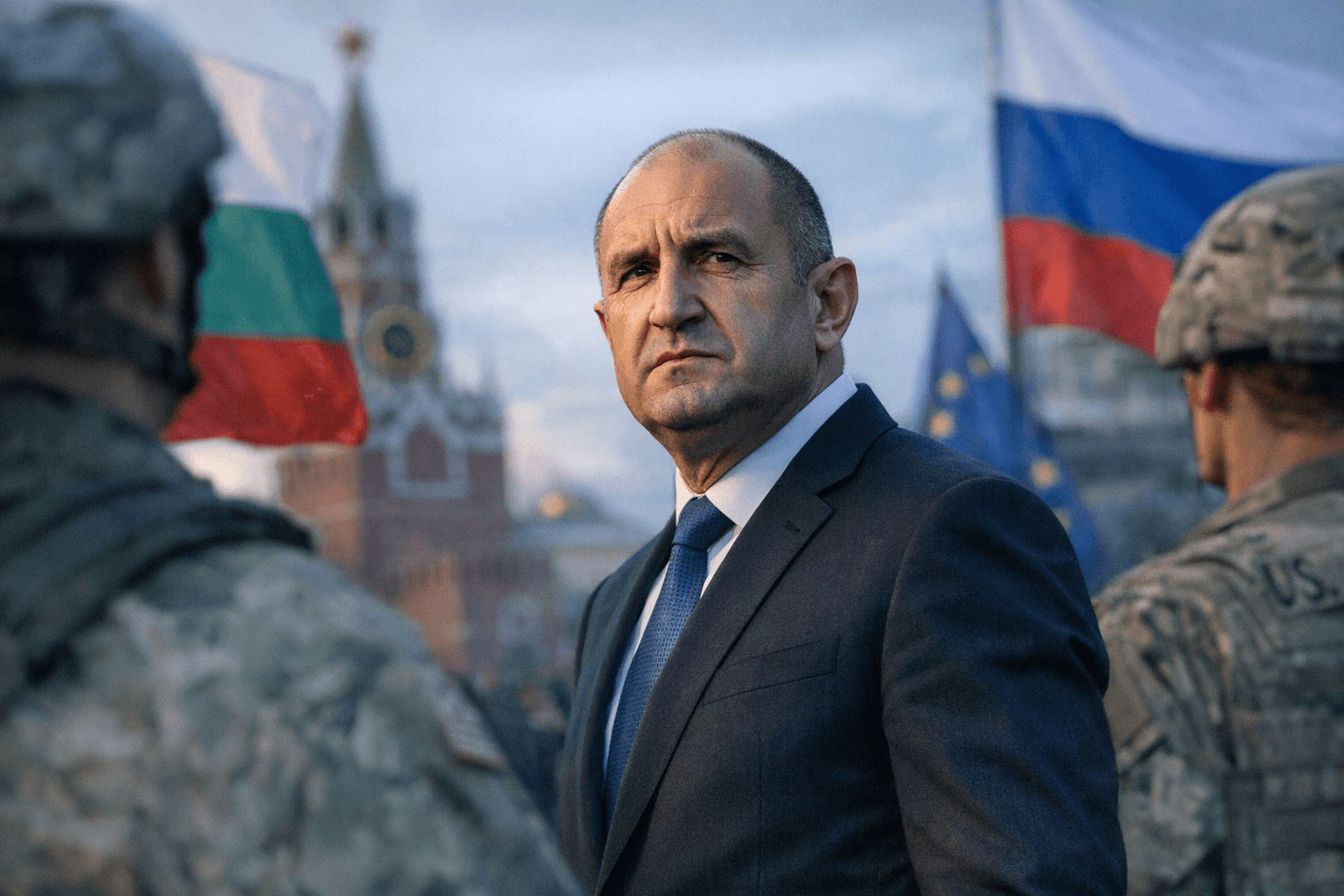
Rumen Radev’s win has handed Bulgaria and its European partners an early test of whether the country’s next leader will be a cautious pragmatist or a fresh source of disruption on the EU’s eastern flank. With about 44% of the vote counted from 78% of ballots, Radev rode a campaign built on anti-corruption fury and a sharp appeal to voters exhausted by political drift.
The vote was Bulgaria’s eighth in five years, a measure of how deeply coalition breakdowns and rotating governments have shaken a country of about 6.7 million people. Bulgaria, the European Union’s poorest member state since joining in 2007, has spent years struggling to stabilize its politics and insulate policymaking from oligarchic power. Radev leaned into that frustration, describing the system as a “mafia state” and promising to restore order.
But the real scrutiny now falls on his foreign policy. Radev argued during the campaign that Bulgaria should seek better relations with Russia and said European Union sanctions on Moscow were harmful to both sides. He also promised a balanced foreign policy that would respect Bulgaria’s NATO and EU commitments while putting national interest first. That leaves Brussels, Kyiv and Sofia watching for the first concrete decisions that will show whether his rhetoric becomes policy.
The most revealing signals will come fast. Any move on sanctions language, energy contracts or military cooperation will matter more than campaign slogans. Bulgaria has long been tied to Russian energy, even as it has worked to reduce dependence on Russian fuel, and it remains a transit hub in regional gas flows. If Radev uses the presidency to soften Sofia’s line on Moscow, the shift may show up first in tone, then in pressure around energy diversification and defense coordination, rather than in an outright break with NATO or the EU.

That institutional reality limits how far he can go. In Bulgaria’s system, the president plays a role in foreign and security policy, but the government sets the overall direction of foreign and defense policy. That means any turn toward Moscow will be constrained not only by law and procedure, but by the country’s continued place inside NATO and the European Union.
Still, the warning signs are not new. In his 2016 presidential campaign, which he won in a second round on November 13, 2016, Radev already vowed to improve relations with Russia and lift EU sanctions against Moscow. This time, he framed the same message as a call for balance and national interest. For Bulgaria’s western partners, the first months will reveal whether that is a moderation of his line or simply a more polished version of the same challenge.
This article was produced by Prism’s automated news system from verified source data, official records, and press releases, then run through automated quality and moderation checks before publishing. The system is built and supervised by the people who set the standards it runs under. Read our full AI policy.
Did this article answer your question?