Producer prices jump 11%, heightening inflation fears in April report
Producer prices rose 11% from a year earlier in April, with diesel, eggs and jet fuel flashing a warning that higher costs could soon reach consumers.
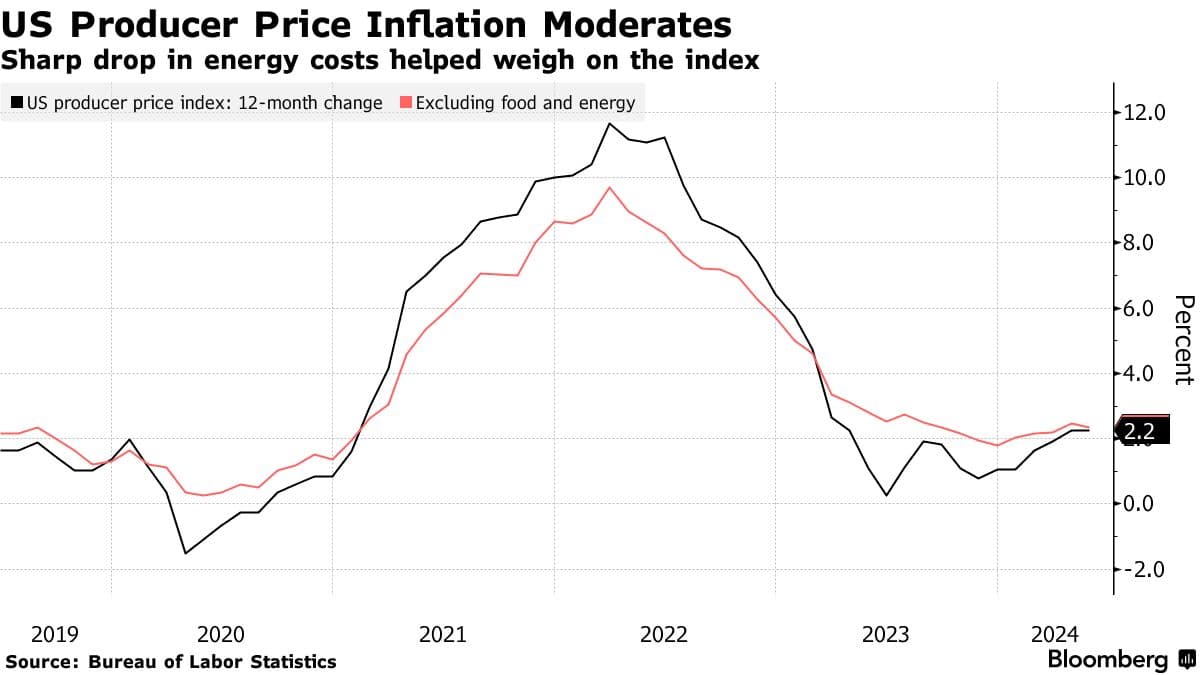
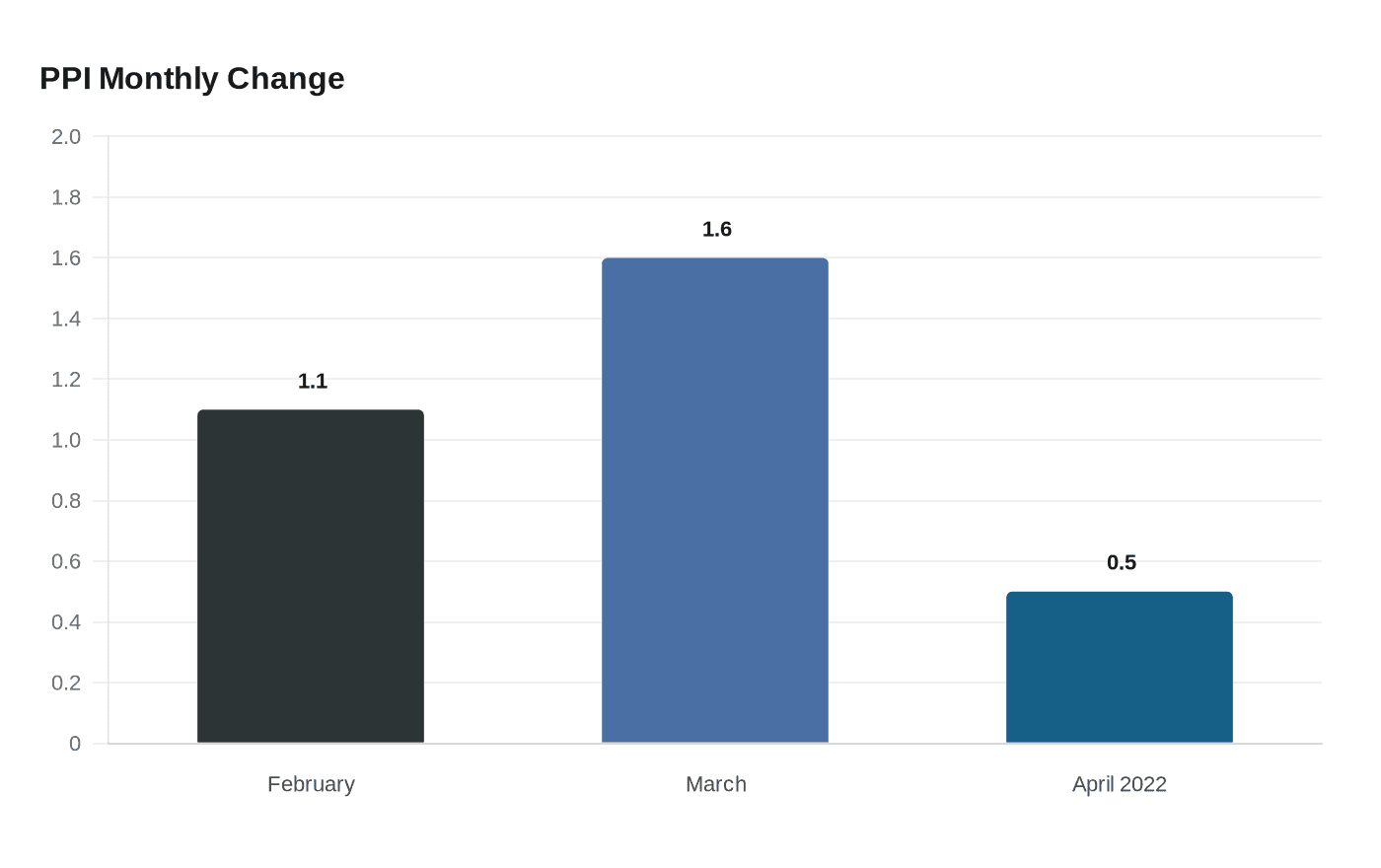
Producer prices sent a fresh warning through the economy in April, as businesses faced the fastest annual jump in four years and the sharpest signs yet that inflation pressures were still moving from factories and freight into household budgets. The U.S. Bureau of Labor Statistics said the Producer Price Index for final demand rose 0.5% in April 2022, after gains of 1.6% in March and 1.1% in February. On an unadjusted basis, final demand prices were up 11.0% from a year earlier.
The biggest pressure points were the kinds of costs companies often pass along next. Prices for diesel fuel, chicken eggs, jet fuel, electric power and residential natural gas all increased in April, while gasoline prices fell 3.2%. Final demand goods rose 1.3%, construction jumped 4.0%, and prices for final demand less foods, energy and trade services rose 0.6% in the month and 6.9% over 12 months. That mix suggested broad cost inflation was not confined to one corner of the supply chain.
Services were unchanged overall, but the details pointed to mounting strain in logistics. Transportation and warehousing services climbed 3.6%, and truck transportation of freight rose 4.4%. Those increases matter because they can ripple into everything from groceries to appliances to building materials, especially when carriers and distributors are already facing tighter fuel and labor costs. Motor vehicles and equipment also rose, adding another channel through which higher producer prices could filter into showroom prices and repair bills.
The PPI data landed just after the April consumer price report showed inflation was still running hot. The Consumer Price Index rose 0.3% in April and 8.3% over the previous 12 months. Food prices were up 9.4%, the largest 12-month increase since the period ending April 1981, while energy rose 30.3%. The CPI increase was slightly below March’s 8.5% annual pace, but it remained near a 40-year high, keeping pressure on the Federal Reserve and on businesses trying to protect margins.
The timing underscored how Russia’s invasion of Ukraine was feeding inflation well beyond the battlefield. Energy, food and fertilizer prices had already been pushed higher globally, and April’s producer-price report showed those shocks working deeper into U.S. factory, freight and construction costs. With businesses facing larger input bills and consumers already paying more at the pump and grocery store, the risk was that April’s surge would not be the last.
This article was produced by Prism’s automated news system from verified source data, official records, and press releases, then run through automated quality and moderation checks before publishing. The system is built and supervised by the people who set the standards it runs under. Read our full AI policy.
Did this article answer your question?