Prosecutors Move to Dismiss Charges After Border Patrol Shooting Raises Questions
Federal prosecutors in Chicago filed to dismiss charges today against Marimar Martinez and other defendants tied to an October confrontation in which a Border Patrol agent shot Martinez seven times. The decision follows new scrutiny of body camera footage and the emergence of agent text messages that undercut the government narrative, raising broader concerns about accountability in immigration enforcement operations.
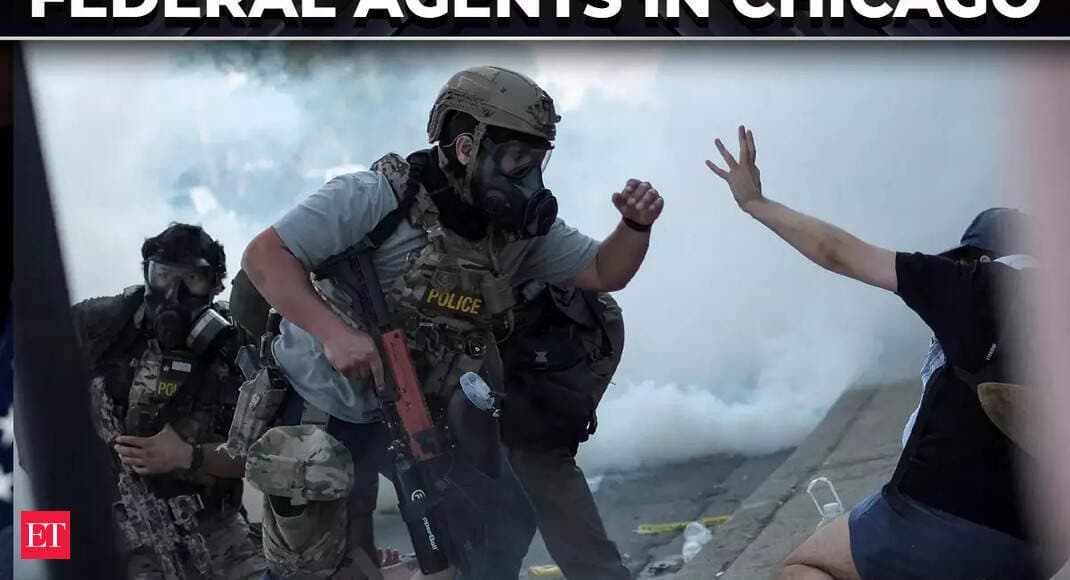
Federal prosecutors in Chicago filed a motion today asking a federal judge to dismiss charges against Marimar Martinez and a co defendant stemming from an October 4 confrontation during an enforcement action called "Operation Midway Blitz" in which a Border Patrol agent shot Martinez seven times. The filing also sought dismissal of charges against a 70 year old military veteran who was arrested at a protest connected to the operation.
Prosecutors said they had reevaluated the evidence after defense attorneys and witnesses challenged the government account of the incident. The case had been complicated by body camera footage introduced in proceedings that raised questions about what occurred at the scene, and by text messages from the Border Patrol agent that came to light during the legal process. Those messages, which appeared to some observers to boast about the shooting, further complicated the prosecution's position according to news reports.
The motion marks an unusual turn in a case that had drawn intense public attention because of the severity of Martinez's injuries and because it intersected with a larger campaign of immigration enforcement in the Chicago region. Martinez survived after being shot seven times, and the episode prompted protests and demands for transparency from community groups and elected officials who questioned use of force by federal officers operating in an urban setting.
The dismissal request comes amid heightened judicial scrutiny of prosecutions tied to immigration enforcement operations in the region. Several arrests linked to those operations have not resulted in convictions, as judges evaluate the strength of the evidence and the conduct of law enforcement personnel. Federal prosecutors signaled today that the records and new material uncovered in the case did not support moving forward with criminal charges as originally filed.
The U.S. Attorney's Office must obtain court approval for the dismissals under federal procedure. The motion does not resolve broader accountability questions that have been raised by activists and legal advocates who have called for independent review of the shooting and for clarity on how immigration enforcement actions are conducted in municipal areas. Civil remedies and internal agency inquiries remain possible channels for further scrutiny.
Institutionally, the episode highlights tensions between aggressive immigration enforcement strategies and the legal burdens prosecutors face when incidents result in serious injury or death. The decision by federal prosecutors to step back suggests prosecutorial judgment that evidentiary gaps or problematic officer conduct can undermine the likelihood of a conviction, which in turn affects how federal resources are allocated and how agencies calibrate operations.
Politically, the case has resonance with voters in communities where immigration policy and policing practices are central concerns. High profile uses of force and subsequent prosecutorial outcomes can influence public trust in federal agencies and elected officials, and they may mobilize civic engagement among affected constituencies. Local leaders and advocacy organizations are likely to press for policy changes and greater oversight to prevent similar confrontations.
A federal judge will consider the motion to dismiss in the coming days. The legal and civic fallout from the case is likely to continue, shaping debates over enforcement practices, oversight mechanisms, and the interplay between federal prosecution decisions and community confidence in public safety institutions.
This article was produced by Prism’s automated news system from verified source data, official records, and press releases, then run through automated quality and moderation checks before publishing. The system is built and supervised by the people who set the standards it runs under. Read our full AI policy.
Did this article answer your question?