Prosecutors say Iraqi militia commander plotted Manhattan synagogue attack
Prosecutors say an Iraqi militia commander mapped a Manhattan synagogue and sought $10,000 in crypto for a bombing plot. City officials said security was raised as Jewish institutions faced renewed threats.
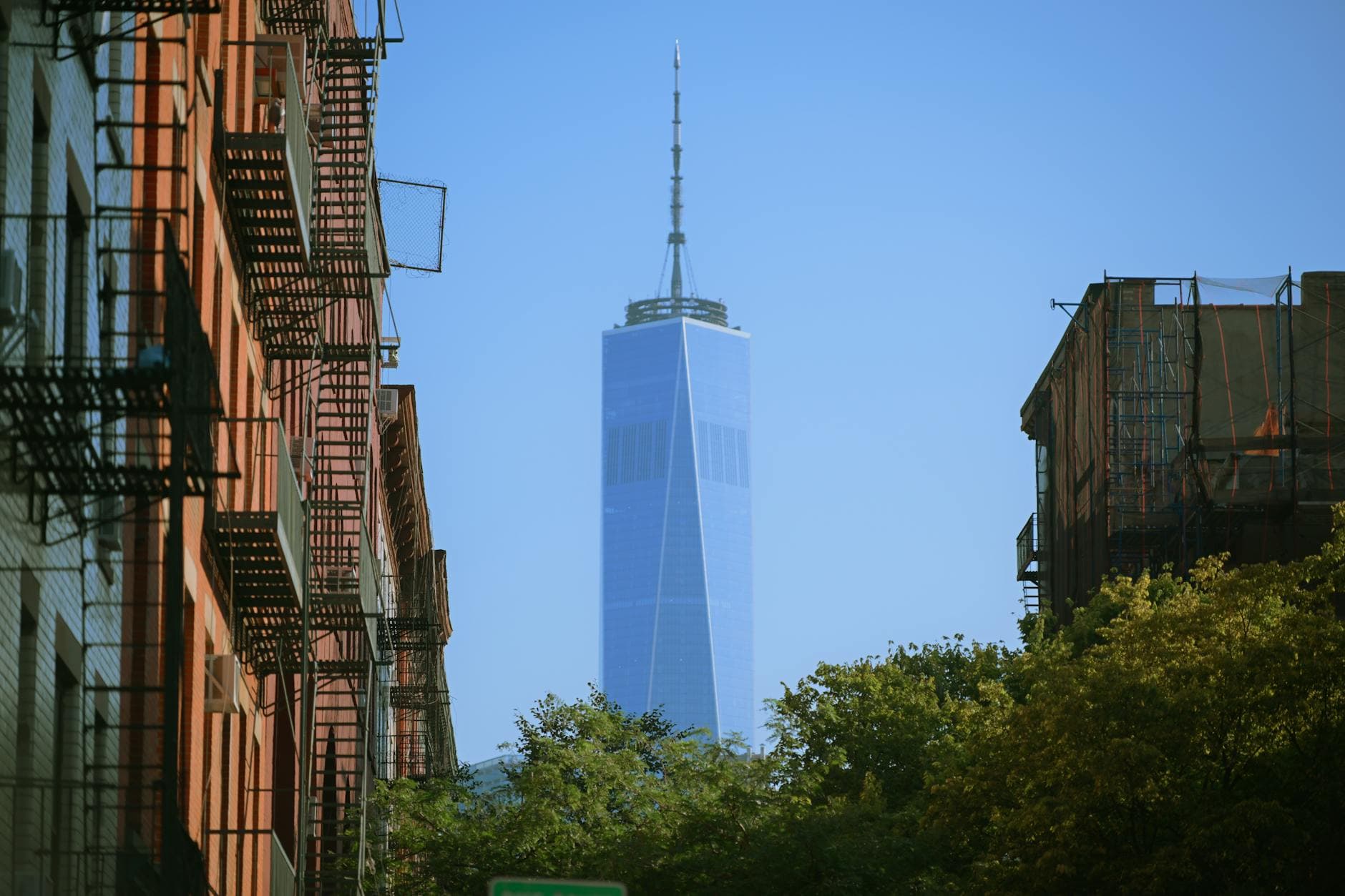
Manhattan’s synagogues were cast as targets at the center of a wider campaign of intimidation after federal prosecutors said an Iraqi militia commander tried to arrange a bombing plot aimed at a prominent house of worship in the borough.
Mohammad Baqer Saad Dawood Al-Saadi, 32, an Iraqi national, appeared in court in Lower Manhattan on May 15, 2026, and remained in custody as he faced a June 29 court date. Prosecutors said Al-Saadi is a commander for Kata’ib Hizbullah and is charged with conspiracy to provide material support to the Iranian Revolutionary Guard Corps and the militia. They said he allegedly tried to recruit an undercover agent and showed photos and maps of a synagogue the government did not name, along with similar material for Jewish centers in Los Angeles and Scottsdale, Arizona.
Court papers cited by prosecutors said the alleged arrangement involved $10,000 in cryptocurrency, with a $3,000 down payment allegedly sent, and that the attack was discussed for April 6, 2026. Prosecutors also said Al-Saadi allegedly had ties to about 18 reported terror attacks against U.S. and Israeli interests in Europe since March 9, underscoring what officials described as a transnational threat reaching into New York’s Jewish institutions.
Police Commissioner Jessica S. Tisch said the case reflected “the global threats posed by the Iranian regime and its proxies” and said the plot was disrupted in coordination with law enforcement and synagogue leadership, which led to heightened security. That response speaks to why Manhattan synagogues are treated as symbolic targets: they are not only places of worship, but anchors of neighborhood identity, communal memory, and public life, making any threat feel like an attack on the city’s Jewish presence itself.
The arrest landed amid an already strained security environment for Jewish New Yorkers. On April 8, 2026, Muhammad Shahzeb Khan pleaded guilty in Manhattan federal court to plotting a mass shooting at a Brooklyn Jewish center in October 2024. Last year, on May 6, 2025, Luis Ramirez was indicted for terroristic threats against Central Synagogue and the Jewish community in Manhattan.
The pattern traces back to the October 2023 Hamas attack on Israel, after which antisemitic threats and security concerns rose sharply around Jewish institutions in the United States and Europe. For congregants, the latest case reinforces a grim reality: Manhattan synagogues remain highly visible civic symbols, and prosecutors say extremists continue to view them as targets worthy of planning, money, and cross-border coordination.
This article was produced by Prism’s automated news system from verified source data, official records, and press releases, then run through automated quality and moderation checks before publishing. The system is built and supervised by the people who set the standards it runs under. Read our full AI policy.
Did this article answer your question?