Prosecutors weigh death penalty in White House shooting case
Federal prosecutors moved Rahmanullah Lakanwal’s case into federal court, opening a death-penalty review after Sarah Beckstrom was killed near the White House.
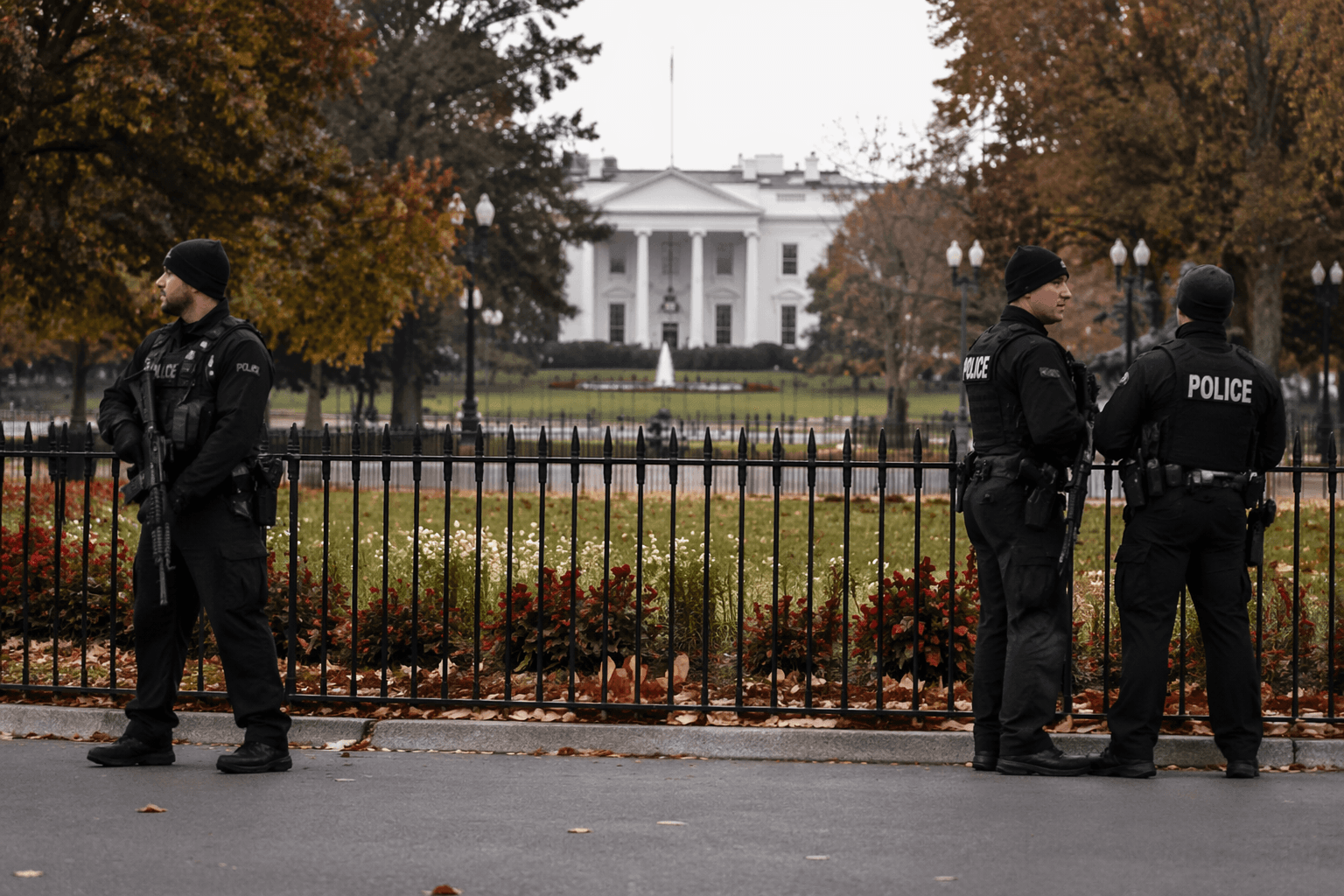
Federal prosecutors moved Rahmanullah Lakanwal’s case into U.S. District Court, opening the door to a possible death-penalty pursuit after the shooting that killed Army Spc. Sarah Beckstrom and critically wounded U.S. Air Force Staff Sgt. Andrew Wolfe. The transfer matters because D.C. Superior Court does not have the death penalty, forcing prosecutors to decide whether the case is serious enough for capital review before they can even consider seeking that punishment.
On Dec. 23, 2025, the U.S. Attorney’s Office for the District of Columbia filed new federal charges against Lakanwal, 29, an Afghan national who lived in Bellingham, Washington. The new complaint charged him with transporting a firearm in interstate commerce with intent to commit a crime punishable by more than one year in prison and transporting a stolen firearm in interstate commerce. U.S. Attorney Jeanine Ferris Pirro said the transfer to federal court allowed the “serious, deliberate, and weighty analysis” required to determine whether the death penalty was appropriate.
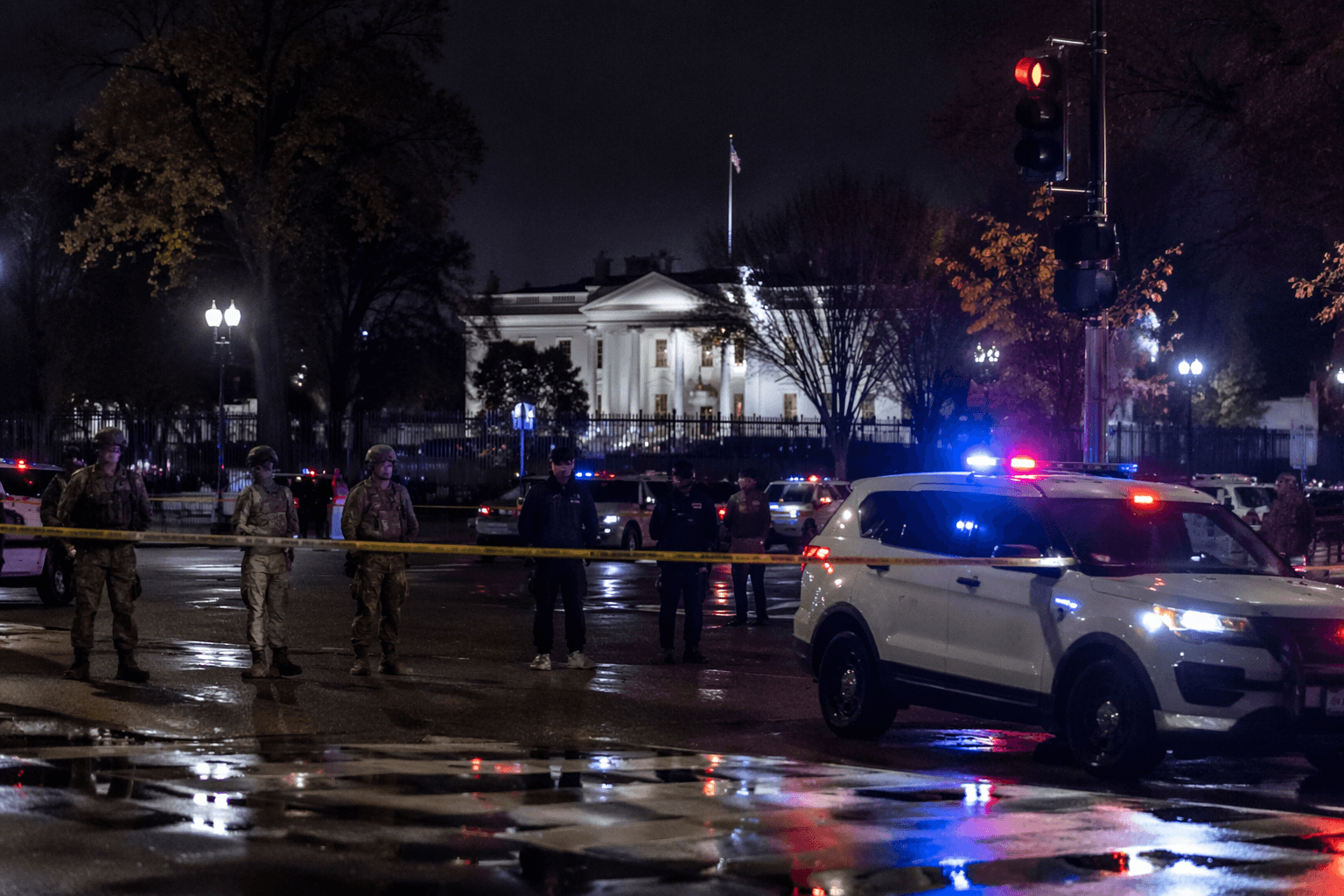
The shooting happened Nov. 26, 2025, near Farragut West Metro Station, just a few blocks from the White House. Beckstrom, 20, died the next day, and Wolfe, 24, remained hospitalized with serious injuries. Prosecutors said Lakanwal allegedly drove a Toyota Prius from Bellingham to Washington, D.C., and used a .357 Smith & Wesson revolver that had been reported stolen in Seattle in 2023. The complaint said the gun was obtained on Nov. 14 from someone who believed he wanted it for personal protection while working as a rideshare driver.
Lakanwal had already been charged in D.C. Superior Court with first-degree murder while armed, assault with intent to kill while armed, and firearm offenses. A judge found probable cause and ordered him held without bond. In early court appearances, he pleaded not guilty through a Pashtu interpreter while recovering in a hospital bed from gunshot wounds suffered when other National Guard members subdued him.
The federal review changes more than the venue. A capital case can lengthen the timeline, sharpen scrutiny of the evidence, and raise the stakes of every filing and hearing. It also places the shooting inside a larger national-security and political frame: authorities said Lakanwal had worked with the CIA during the war in Afghanistan and came to the United States in 2021, after the American withdrawal. For prosecutors, the question is now not just whether Lakanwal can be convicted, but whether the facts clear the far higher threshold needed to make the case death-eligible.
This article was produced by Prism’s automated news system from verified source data, official records, and press releases, then run through automated quality and moderation checks before publishing. The system is built and supervised by the people who set the standards it runs under. Read our full AI policy.
Know something we missed? Have a correction or additional information?
Submit a Tip