FCC eases ban, allows imports of Chinese toy drones in U.S.
The FCC let Chinese toy drones back in after a Pentagon review deemed them low-risk, even as broader foreign-drone restrictions stayed in place.
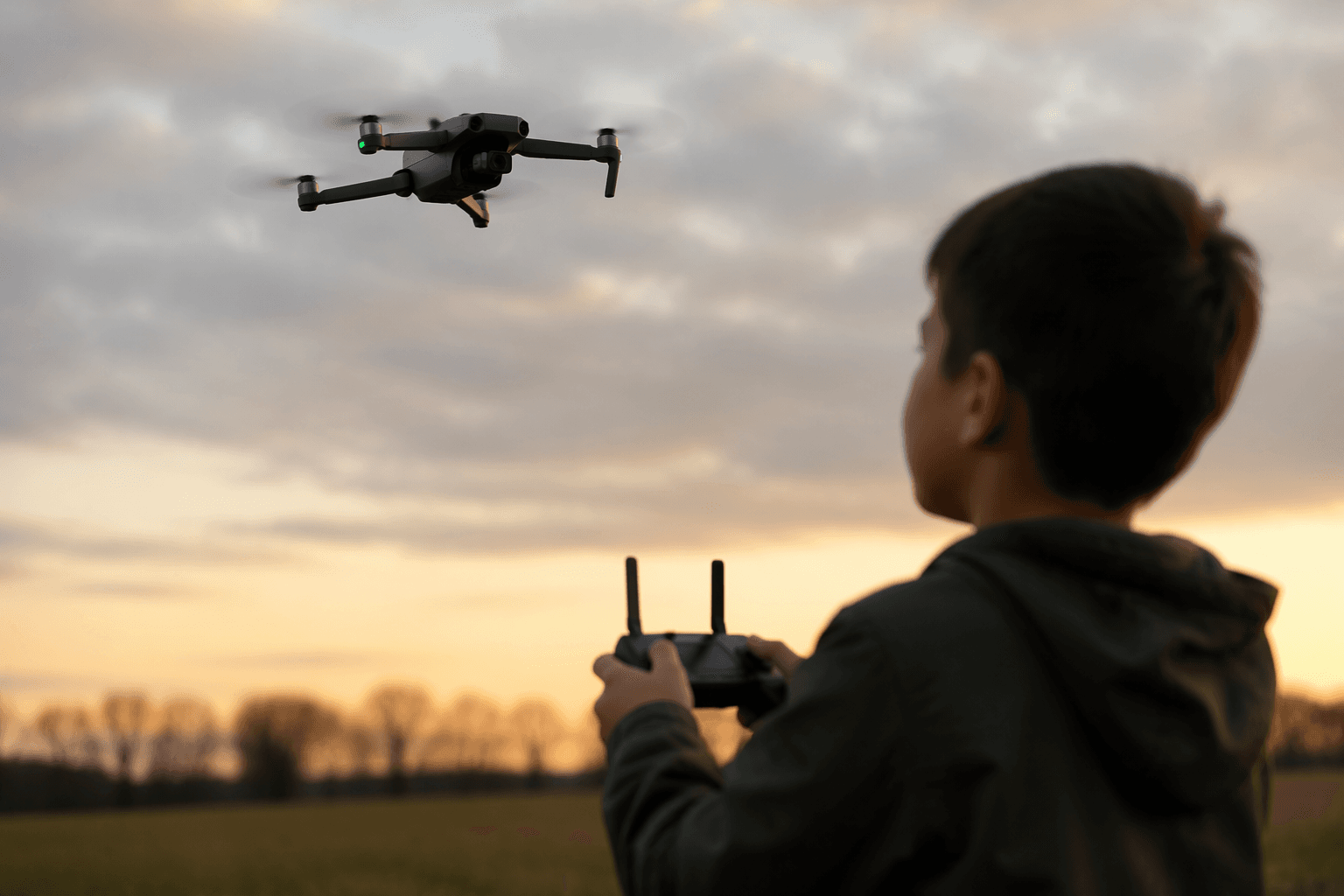
The Federal Communications Commission has carved out a narrow exception to its drone crackdown, clearing Chinese toy drones and toy drones with foreign-produced components for import after a Pentagon review said they do not pose an unacceptable national-security risk. The move exposes a sharper line in Washington’s policy: advanced unmanned aircraft systems remain under pressure, but consumer novelty products are being treated differently from surveillance-capable machines.
The decision follows the FCC’s sweeping Dec. 22, 2025 action adding all foreign-produced UAS and UAS critical components to its Covered List, a step that blocks those products from receiving FCC authorization for import or sale in the United States. The agency has since begun opening targeted exits from that blanket restriction. On Jan. 7, it removed certain drones and components after a Department of War determination that they did not currently pose unacceptable risks, including drones on the Defense Contract Management Agency’s Blue UAS Cleared List and certain domestic end products through Jan. 1, 2027.
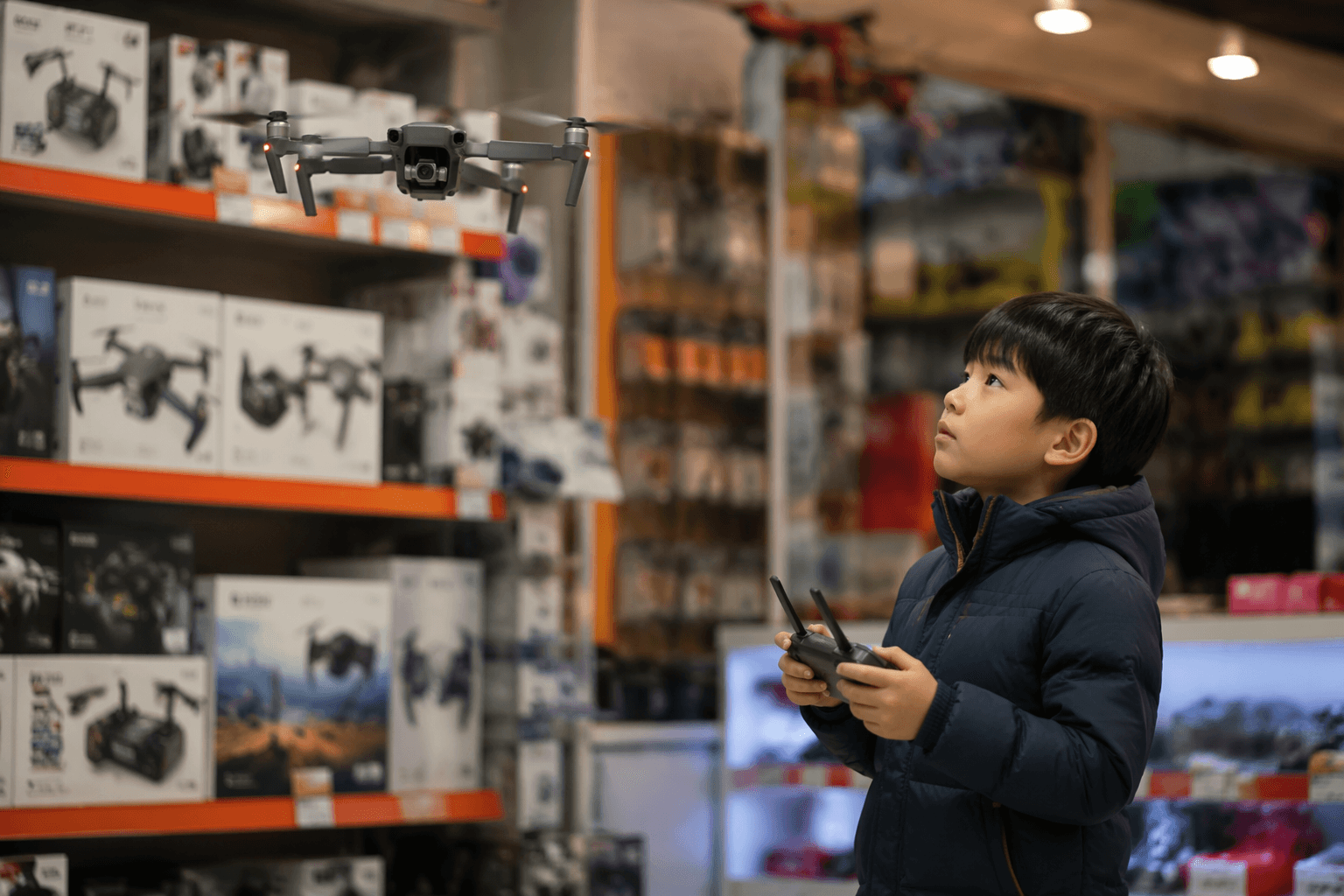
The latest exemption was announced June 15 by the FCC’s Public Safety and Homeland Security Bureau. It removed “Toy Drones” and “Toy Drones that contain foreign-produced components” from the Covered List after the Department of War determined the products do not pose an unacceptable risk to U.S. national security or the safety and security of U.S. persons. The commission said the devices are “unsophisticated” and lack the capabilities associated with traditional drones, including substantial endurance, payload, sensing, connectivity and data storage.
The Toy Association said the change followed months of advocacy with the FCC, the Department of Homeland Security and the Department of War, and that it had raised the issue during its annual Washington, D.C., Fly-In on Capitol Hill the previous week. The group said the original rule had swept too broadly and blocked certification for children’s toy drones and RC flying products that are lightweight, short-range and already subject to toy safety standards such as ASTM F963.
The exemption fits a broader shift toward case-by-case screening rather than a blanket ban. In March 2026, the FCC exempted four foreign-made models, SiFly Aviation Q12, Mobilicom SkyHopper Series, ScoutDI Scout 137 and Verge X1, after Pentagon reviews found no national-security risk. DJI has challenged the FCC’s December action in the U.S. Court of Appeals for the 9th Circuit, saying in April that 14 existing products had lost FCC authorizations, 25 planned 2026 launches were blocked and it expected a $1.56 billion loss this year. The FCC has said already-authorized drones remain usable, and in May it extended a waiver so some already-authorized DJI, Autel and other covered devices can keep receiving firmware and software updates through at least Jan. 1, 2029.
This article was produced by Prism’s automated news system from verified source data, official records, and press releases, then run through automated quality and moderation checks before publishing. The system is built and supervised by the people who set the standards it runs under. Read our full AI policy.
Know something we missed? Have a correction or additional information?
Submit a Tip