Protests and arrests escalate outside Newark ICE detention center
Clashes outside Delaney Hall widened into arrests, curfews and a state-police handoff as detainee abuse claims turned a Newark facility into a national flashpoint.
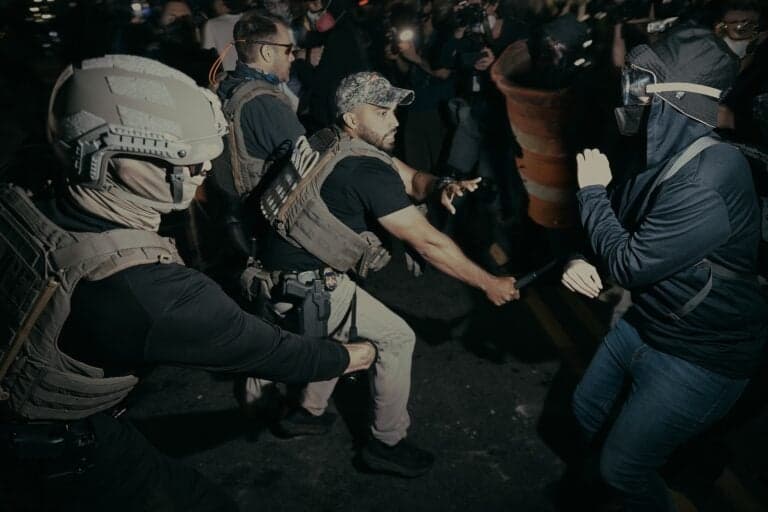
Outside Delaney Hall in Newark, the fight over immigration enforcement has moved from protest signs to arrests, police lines and a curfew that has reshaped the perimeter of a privately run federal detention center. Demonstrators say the facility has become a flashpoint because of allegations about poor conditions inside, while state and local officials have been forced to balance public safety, protest rights and federal immigration authority.
The conflict intensified after advocates and families of detainees said people inside Delaney Hall were facing harsh conditions, including a hunger strike, pepper spray use and physical force. On May 28, protesters clashed with armed federal immigration officers outside the facility, a confrontation that underscored how quickly the scene had escalated from dissent to direct confrontation at the gates of the jail.
Delaney Hall reopened under an ICE agreement in February 2025 as a 1,000-bed detention facility, and GEO Group said it had received a 15-year ICE contract for the site that month. GEO later said the first full year of operations was expected to generate more than $60 million in annualized revenue. That business arrangement has made the Newark site a symbol of the broader expansion of immigration detention under President Donald Trump’s crackdown.
New Jersey Gov. Mikie Sherrill moved to contain the fallout on May 30, saying New Jersey State Police had secured the area outside Delaney Hall and that the state would ensure residents could protest peacefully. Her administration set up protected protest zones, an attempt, Sherrill said, to lower the temperature around the facility.
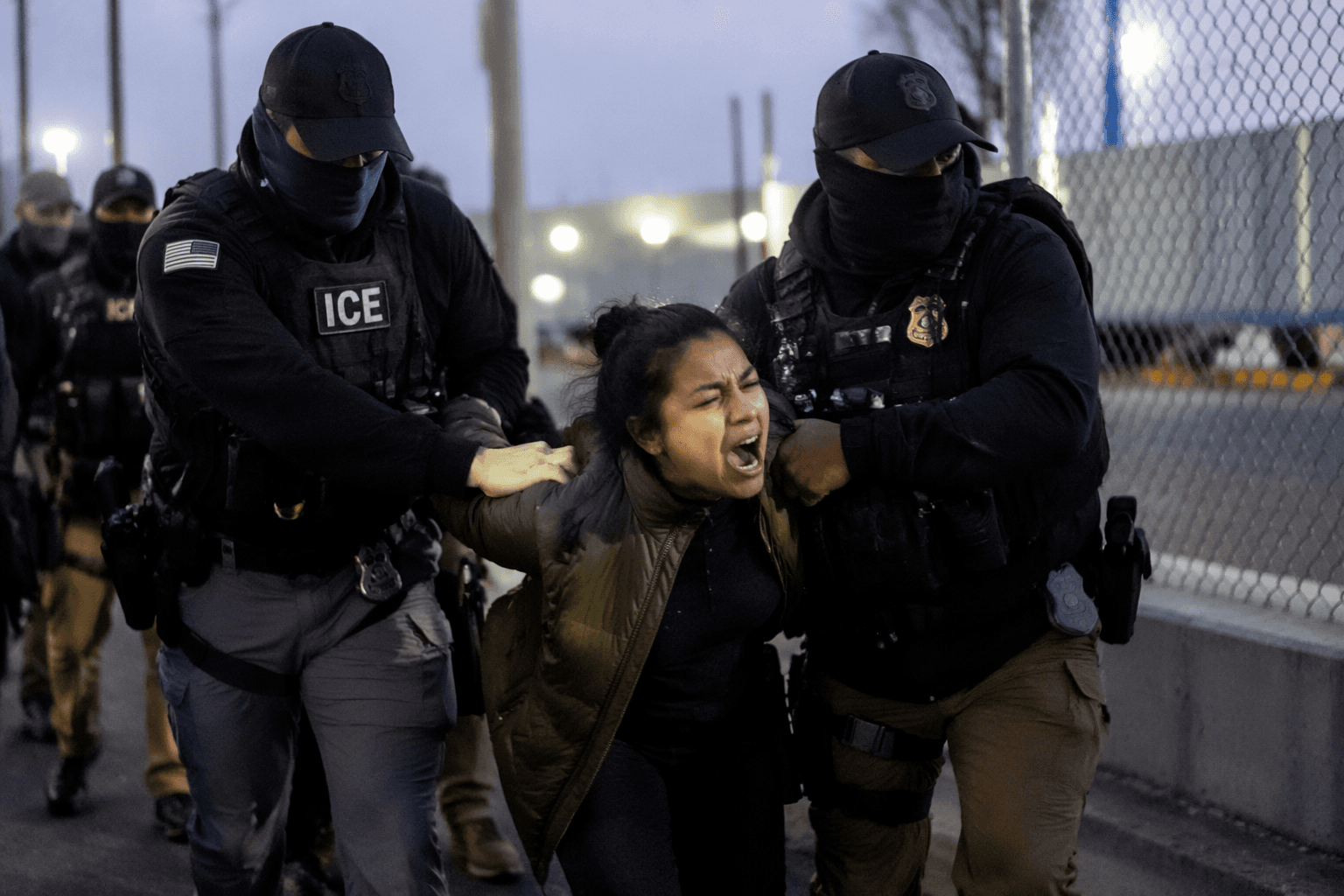
The public-safety posture then shifted again. State police later handed control of the area to Newark police near Doremus Avenue and Wilson Avenue, about a half-mile away from Delaney Hall. By Sunday, May 31, a mandatory curfew was in place near the center, and local reporting said dozens of people had been arrested outside Delaney Hall since it began. PBS reported on June 1 that more protesters were arrested for breaking the curfew.
The arrests have turned Delaney Hall into more than a local policing dispute. They have raised the same questions now confronting cities across the country: who controls the perimeter of federal immigration detention, how far authorities can go to disperse protest, and what responsibility government has to address conditions inside the facility before the scene outside becomes unmanageable.
This article was produced by Prism’s automated news system from verified source data, official records, and press releases, then run through automated quality and moderation checks before publishing. The system is built and supervised by the people who set the standards it runs under. Read our full AI policy.
Know something we missed? Have a correction or additional information?
Submit a Tip