Public memorial for Bobby Weir drew procession through Civic Center
A free public memorial and procession for Bobby Weir took place at Civic Center Plaza, honoring his ties to San Francisco and prompting coordinated city logistics.
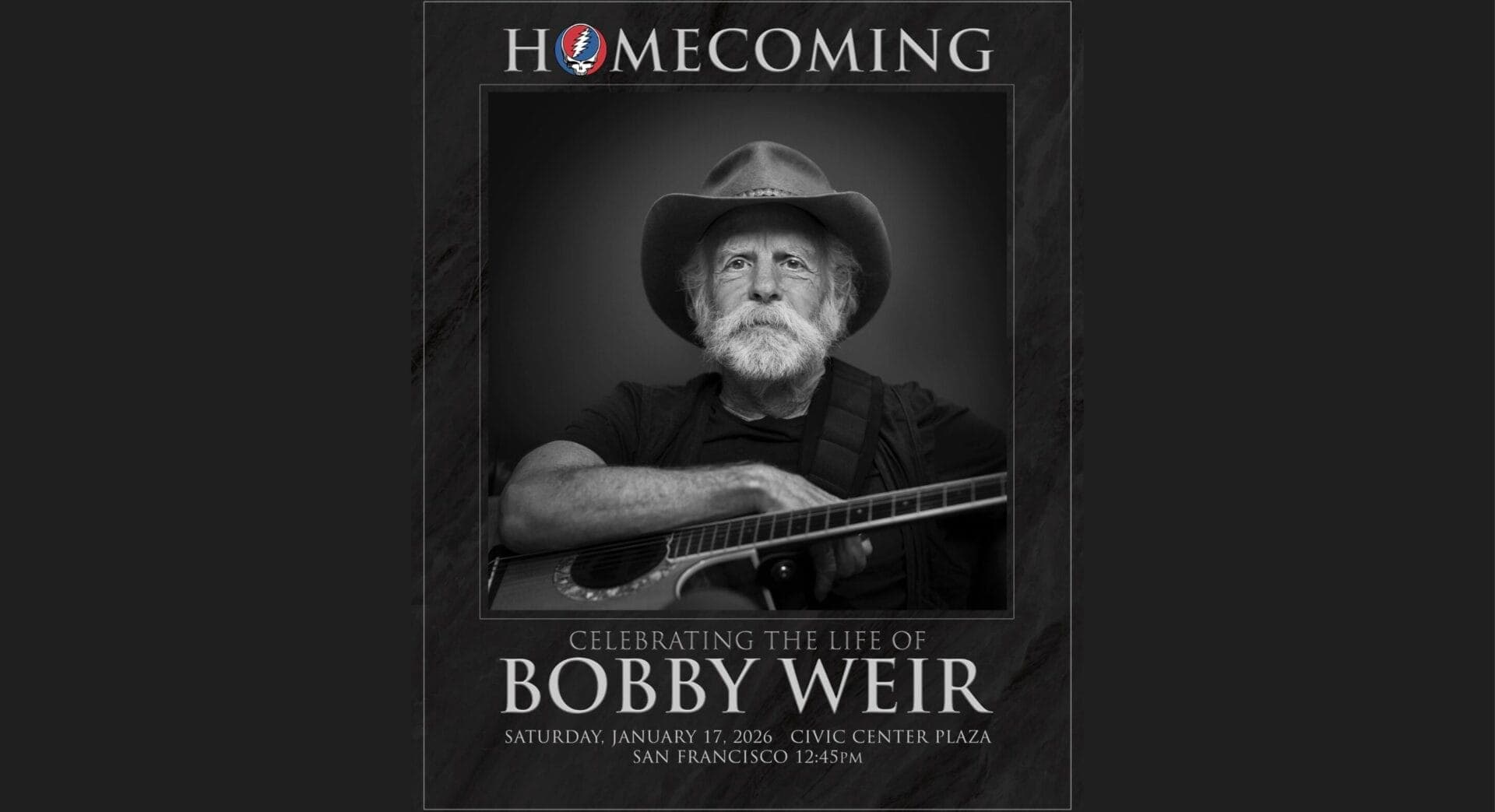
A free, city-centered memorial for Bobby Weir drew San Franciscans to Civic Center Plaza on Jan. 15, as friends, fans and community members marked the life of the Grateful Dead co-founder. Billed as "Homecoming: Celebrating the Life of Bobby Weir," the gathering centered on open access and a procession that moved through central San Francisco.
Organizers and city officials worked together to manage the expected large turnout and the route through downtown. Activities at Civic Center Plaza included moments of remembrance and a public procession intended to keep the event accessible to people across the city. The memorial underscored Weir’s long ties to San Francisco’s music scene and civic life, drawing neighbors who see the city as woven into the band’s history and into their own lives.
Large public gatherings like this carry practical public health and safety implications. City coordination for the memorial addressed crowd management, public safety presence, sanitation and medical readiness so that people of all ages and mobility levels could participate. Having a free, open event lowered financial barriers to attendance, which made the neighborhood-focused tribute more equitable than ticketed ceremonies.
The procession’s path through central San Francisco temporarily altered pedestrian and vehicular flows around Civic Center and adjacent corridors. Local small businesses and arts venues near the plaza experienced the immediate effects of the crowds, from increased foot traffic to intermittent access challenges. For residents who live or work near the route, the memorial meant short-term changes to commute patterns and street access, balanced against the community value of a public farewell.
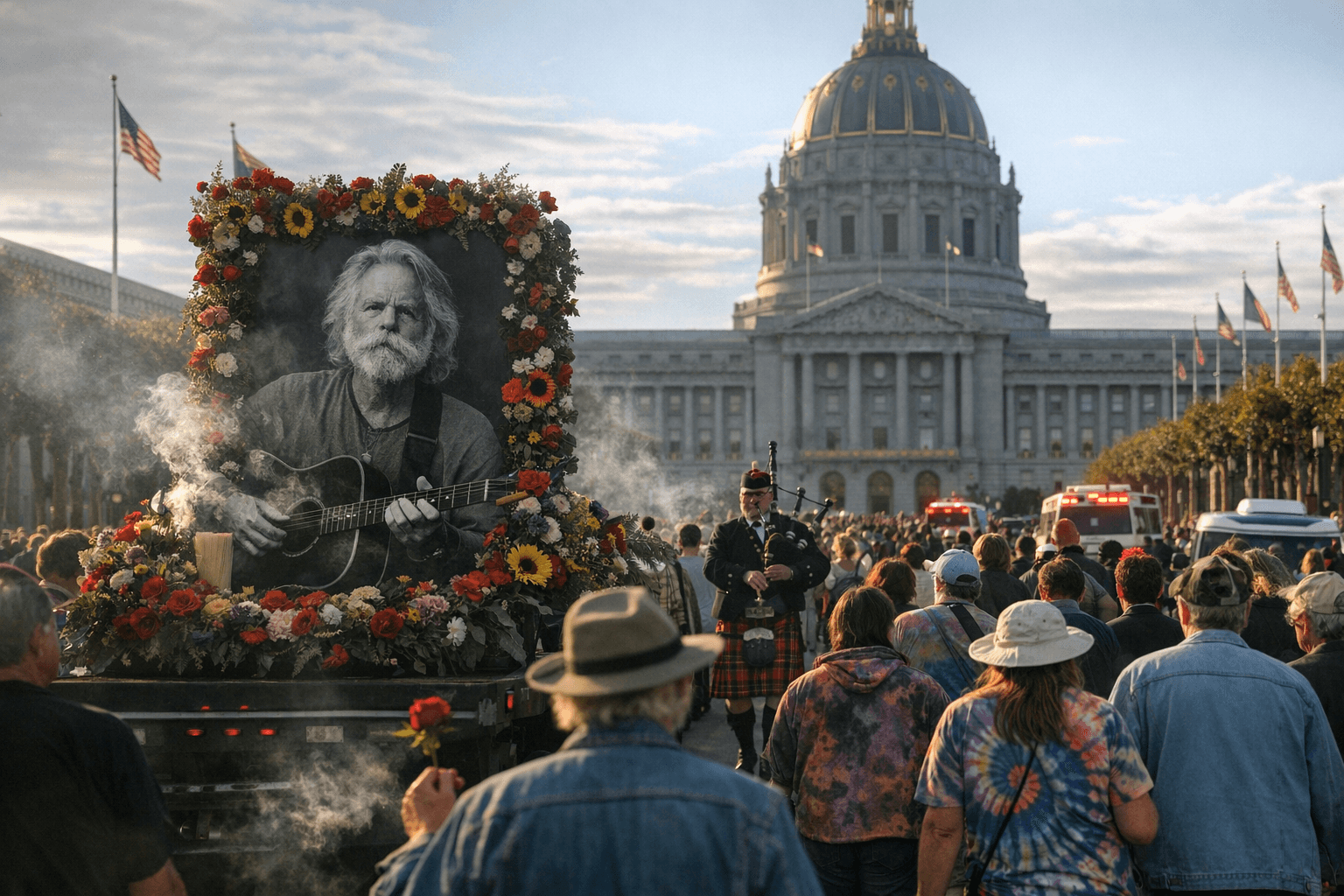
Beyond immediate logistics, the event highlighted broader civic questions: how the city supports large-scale, grassroots cultural gatherings; how public spaces like Civic Center Plaza are used for communal grieving and celebration; and how municipal planning can center equity when services are deployed for un-ticketed events. The memorial underscored San Francisco’s role as both birthplace and ongoing home for the music and civic engagement that defined Weir’s life.
For San Franciscans, the "homecoming" offered both a public goodbye and a reminder that the city’s public spaces serve as places for shared memory. In the days after the procession, city officials and community organizers will continue to assess cleanup, traffic impacts and lessons learned for future open memorials so that access and safety remain priorities for events in the civic heart of San Francisco.
Sources:
Know something we missed? Have a correction or additional information?
Submit a Tip