Public warned after rabid bat found in southern Utah, first in Utah this year
A Washington County bat tested positive for rabies, Utah’s first this year, and officials say any bat contact or a bat in a bedroom needs immediate medical attention.
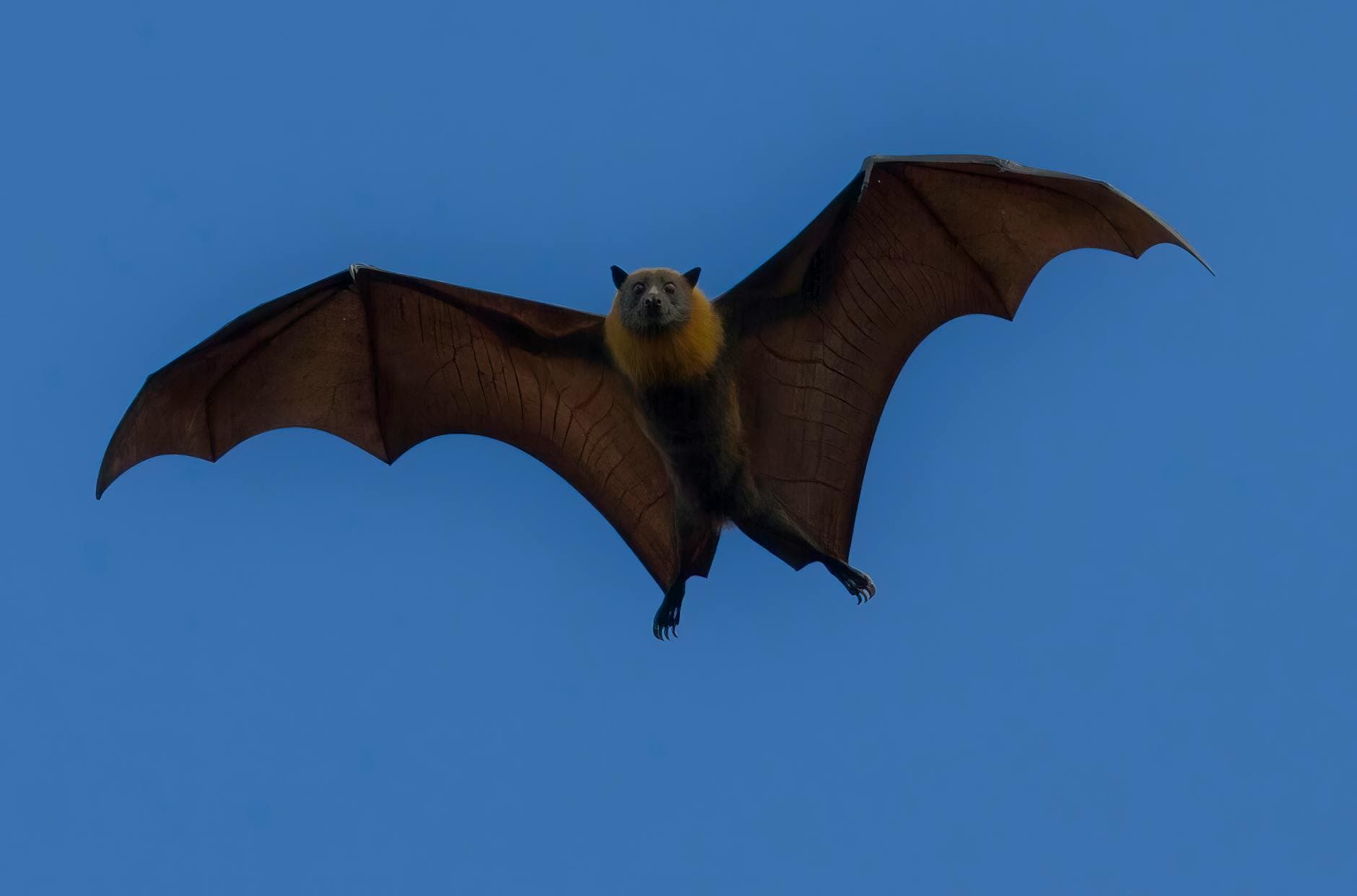
Anyone who touched a bat, woke up to find one in a room, or found one inside the home should treat it as a rabies exposure and seek medical care immediately, because bat bites and scratches can be so small they leave no mark or felt injury. Southwest Utah public health officials said a bat found in Washington County tested positive for rabies, the first rabid bat identified in Utah in 2026. Rabies is almost always fatal once symptoms start, but post-exposure treatment can be life-saving when given quickly.
The positive test is a reminder of how rabies shows up in Utah and across the West. State health officials say bats are the primary carrier of rabies virus in Utah, even though any infected animal can spread it. Nationally, wildlife accounts for more than 90% of reported animal rabies cases, and bats are the most common wildlife source. Because bats are small and their teeth and claws are tiny, a person may not realize a bite or scratch happened at all.
Officials want households to respond the same way every time a bat turns up indoors: do not touch it, hit it, or try to remove it yourself. Call animal control to collect the bat and alert public health right away so officials can decide whether the animal should be tested and whether the exposed person needs rabies preventive treatment, known as PEP. Utah health officials say PEP is virtually 100% effective when given properly after an exposure, and it must happen before symptoms begin.
The danger is not abstract for families in Washington County. Savanna Sparks, a St. George resident, said she was moving into a new home when her dog started barking and she saw a bat screaming near the house. She called animal control, crews captured the bat, and a week later she learned it had tested positive for rabies. Sparks said she worried about her dogs’ exposure and boosted their vaccinations out of caution. Officials said there was no confirmed contact between the bat and the family or pets.
Health officials also point to simple steps that lower risk: keep pets vaccinated, keep bats out of sleeping areas, and report wildlife acting strangely. In Utah, dogs, cats and ferrets must be immunized against rabies by law, but wild animals are not. When a bat is involved, the safest assumption is that exposure may have occurred even if no bite is visible, and the window for protection closes fast once rabies symptoms appear.
This article was produced by Prism’s automated news system from verified source data, official records, and press releases, then run through automated quality and moderation checks before publishing. The system is built and supervised by the people who set the standards it runs under. Read our full AI policy.
Did this article answer your question?