Purdue Pharma dissolution approved, $7.4 billion opioid settlement begins
Purdue Pharma is being dissolved, with $7.4 billion set for treatment and recovery and the Sacklers barred from the U.S. opioid business. Victims still face paperwork hurdles.

Purdue Pharma’s collapse into a new public-good entity marks a rare corporate death sentence for the company that sold OxyContin and helped fuel an epidemic linked to more than 900,000 deaths since 1999. A federal judge in Newark, New Jersey, approved Purdue’s criminal sentence on April 28, 2026, clearing the last major hurdle for the company to wind down and for the settlement to start moving money to states, communities and people harmed by the opioid crisis.
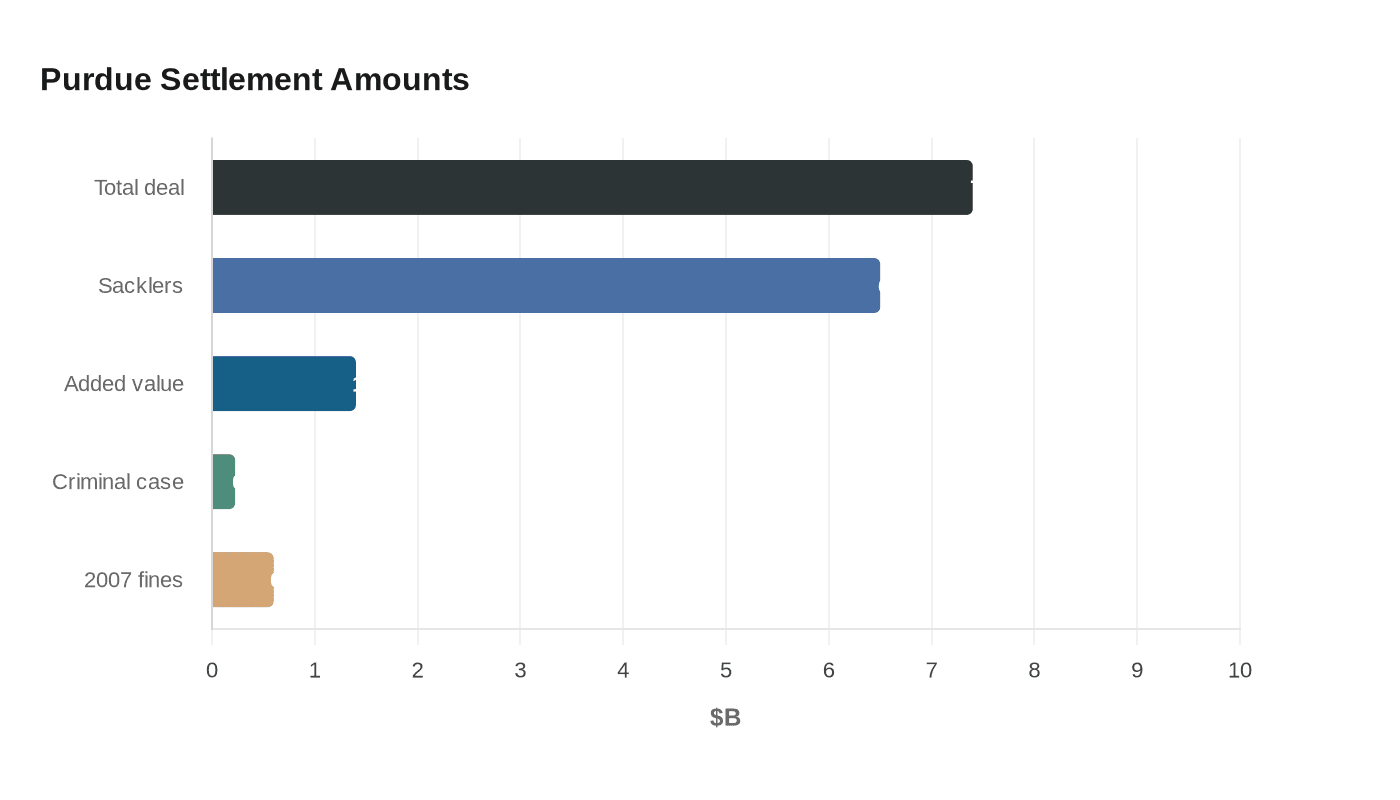
The deal resolves thousands of lawsuits tied to OxyContin and Purdue’s opioid marketing. Under the settlement agreed to by all 50 states, Washington, D.C., and U.S. territories, about $7.4 billion will flow over 15 years into addiction treatment, prevention and recovery efforts. State attorneys general say the Sackler family, which controlled Purdue, will pay up to $6.5 billion over that same period, while being barred from selling opioids in the United States and from controlling the company. Connecticut Attorney General William Tong said the revised agreement adds $1.4 billion over the prior deal that the U.S. Supreme Court invalidated in June 2024.
The criminal sentence is much smaller than the federal punishment once sought. Purdue was ordered to pay $225 million in the criminal case, after the Justice Department negotiated a reduction from more than $5 billion in penalties. The government said the criminal sentence in Newark, tied to deceptive marketing and kickbacks, was part of the broader global settlement, not a standalone punishment. Purdue had been scheduled for sentencing a week earlier, but the judge delayed it to allow more public participation after victims gathered outside the courthouse.
The dissolution strips away the corporate shell that once survived earlier punishment. In 2007, Purdue pleaded guilty to felony misbranding and paid $600 million in fines over OxyContin marketing, but that case did not stop the company from remaining central to the opioid crisis. This time, the settlement is designed to end Purdue Pharma as a working business and replace it with an entity focused on the public good, while preserving a path for money to reach states and local governments.
Even so, the settlement has not erased the anger of families and claimants who say the compensation process is slow, bureaucratic and hard to navigate. Some claimants have been rejected or reduced over documentation hurdles, leaving victims to fight for access long after the courts have settled the company’s fate. The message from Newark is blunt: Purdue may disappear, but the public health damage, and the struggle over who gets paid and when, will not.
This article was produced by Prism’s automated news system from verified source data, official records, and press releases, then run through automated quality and moderation checks before publishing. The system is built and supervised by the people who set the standards it runs under. Read our full AI policy.
Did this article answer your question?