Rotavirus cases rise earlier than usual, alarming doctors nationwide
Rotavirus is showing up earlier than expected, and the first warning for parents is sudden vomiting that can quickly turn into dangerous dehydration.

Parents are seeing a virus that can move fast: sudden vomiting, watery diarrhea, fever and dehydration, now turning up earlier than doctors expected. Rotavirus cases began rising in January, extending the season beyond the usual late fall, winter and early spring window and raising concern that more children will be sick for longer than normal.
The timing matters because rotavirus spreads easily among babies and young children, especially in childcare centers and other crowded settings. The Centers for Disease Control and Prevention says the most severe disease occurs primarily in unvaccinated children ages 3 months to 3 years. In infants and toddlers, what is often dismissed as a stomach bug can become serious quickly, with dehydration severe enough to require hospitalization or, in the worst cases, become life-threatening.
There is no medicine that cures the infection once it starts. Treatment is supportive, with doctors watching closely for signs that a child is losing too much fluid and needs replacement quickly. That makes the early warning signs especially important at home: repeated vomiting, watery diarrhea, fewer wet diapers, dry mouth, unusual sleepiness and a child who is too weak to drink can all signal dehydration.
Vaccination remains the strongest defense. Rotavirus vaccines have been available in the United States since 2006, and annual vaccination prevents an estimated 40,000 to 50,000 hospitalizations among infants and young children. The CDC recommends the first dose before 15 weeks of age and completion of the series before 8 months of age. Yet vaccination rates have fallen since 2018, leaving more children vulnerable just as the virus appears to be circulating earlier and for a longer stretch.
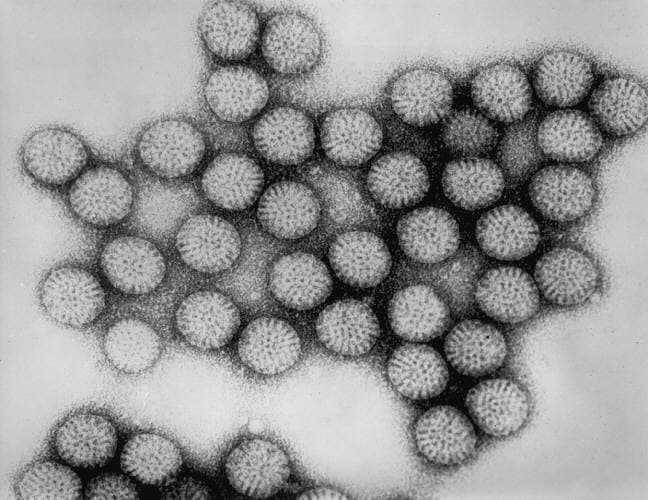
Before vaccines, rotavirus was one of the leading causes of severe gastroenteritis in children under 5 and accounted for up to 50% of diarrhea hospitalizations in high-income countries. The virus was also suppressed during the COVID-19 pandemic, which may have left a larger pool of susceptible children afterward. That combination, an earlier seasonal rise, lower vaccine uptake and more children with limited immunity, is what is worrying pediatricians and public-health officials now.
The broader concern is not only one virus, but the pressure it adds to families and emergency departments already managing other resurging infections. Early-season rotavirus cases mean more children may be getting sick before parents expect it, and more households will need to act quickly when vomiting and diarrhea start.
This article was produced by Prism’s automated news system from verified source data, official records, and press releases, then run through automated quality and moderation checks before publishing. The system is built and supervised by the people who set the standards it runs under. Read our full AI policy.
Did this article answer your question?