Former Fauci Adviser Indicted Over Hidden Pandemic Records, FOIA Evasion
Prosecutors said David Morens hid pandemic-era emails to dodge FOIA requests tied to COVID-19 research grants and virus-risk discussions. The case could test how much of the pandemic record was kept, and why.

Federal prosecutors accused David Morens, a longtime adviser to Anthony S. Fauci, of helping conceal pandemic-related records that could shed light on how NIH officials handled COVID-19 research, public transparency and risky-virus debates.
Morens, 78, of Chester, Maryland, was indicted by a federal grand jury on April 16 and the Justice Department announced the charges on April 28. He was charged with conspiracy against the United States, destruction, alteration or falsification of records in federal investigations, concealment, removal or mutilation of records, and aiding and abetting. Prosecutors said he made his initial appearance before a federal magistrate judge on April 28 and was scheduled to be arraigned the following week.
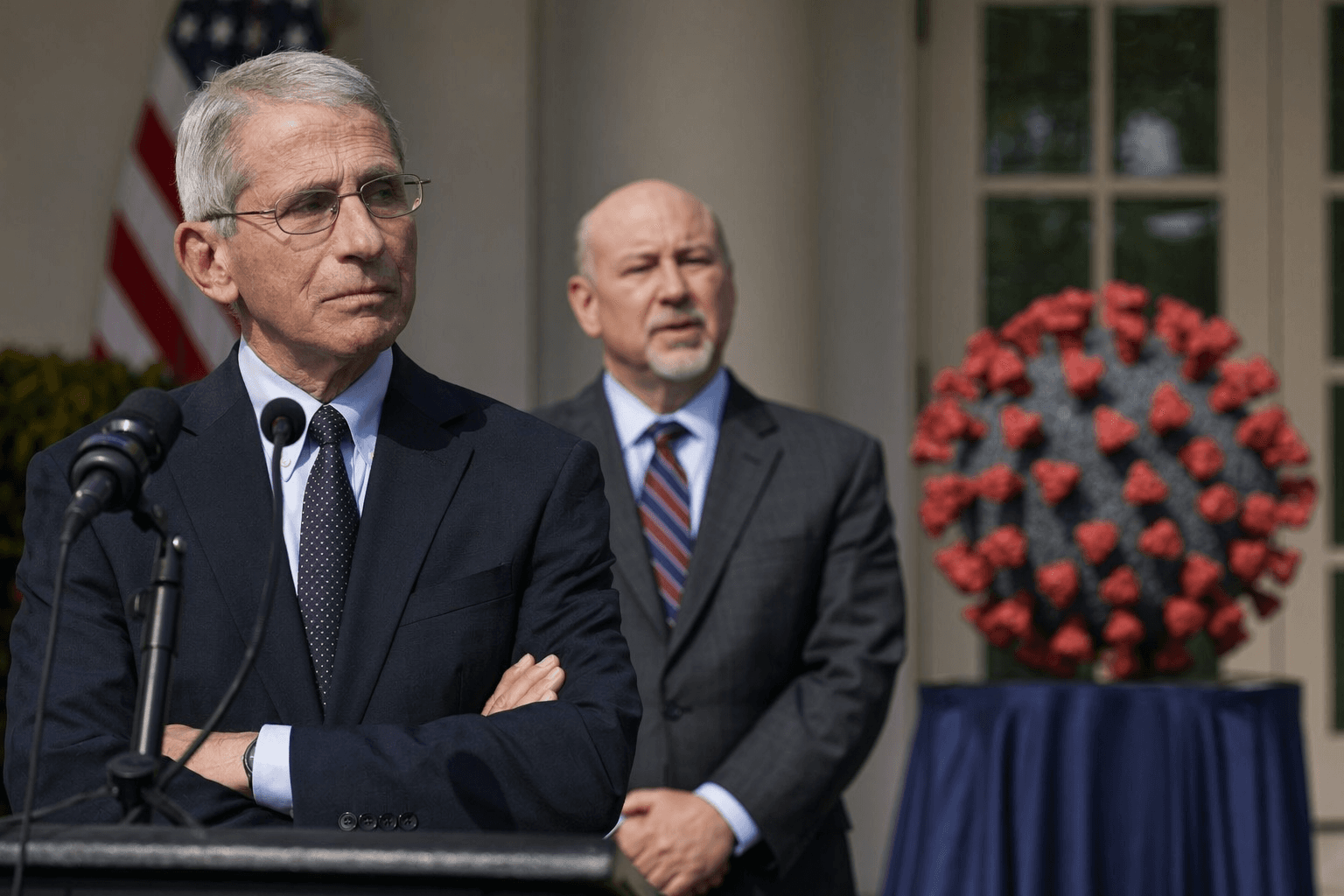
According to the indictment, Morens served as a senior adviser in the National Institute of Allergy and Infectious Diseases’ Office of the Director from 2006 through 2022. Prosecutors said he used a personal email account to evade public records laws while working at NIH, and that the alleged scheme involved efforts to sidestep Freedom of Information Act requests tied to COVID-19 research grants. The case also involves two unnamed, unindicted co-conspirators.
The Justice Department said the conduct reached beyond paperwork. Prosecutors tied the alleged records concealment to communications about potentially risky virus research, including discussions involving EcoHealth Alliance and attempts to revive a controversial coronavirus grant. Acting Attorney General Todd Blanche said the alleged behavior was a profound abuse of trust during the pandemic.
The indictment lands after years of congressional scrutiny over NIH transparency and the government’s handling of COVID-19 origins. Morens testified before the House Select Subcommittee on the Coronavirus Pandemic on May 22, 2024, after House investigators said they subpoenaed his personal email records on April 16, 2024. Republican lawmakers later said the emails showed he had been coached by a so-called “FOIA lady” on how to avoid disclosure, while Morens denied in testimony that he had tried to evade transparency laws.
The case carries stakes beyond one former aide’s conduct. Records from the pandemic period are central evidence for investigators trying to reconstruct how federal health officials communicated about grants, research risks and possible origins of the virus. If prosecutors prove the allegations, Morens could face up to five years on the conspiracy count, up to three years on each concealment count and up to 20 years on each destruction-of-records count, penalties that underscore how seriously federal law treats the loss of public records during a national emergency.
This article was produced by Prism’s automated news system from verified source data, official records, and press releases, then run through automated quality and moderation checks before publishing. The system is built and supervised by the people who set the standards it runs under. Read our full AI policy.
Did this article answer your question?