Putin hosts wartime forum as Russia’s economy slows sharply
Putin’s St. Petersburg forum will open as Russia’s growth is forecast at just 0.4%, a stark sign that sanctions and war are squeezing the economy.

Vladimir Putin is preparing to use St. Petersburg’s flagship economic forum to project confidence at a moment when Russia’s war economy is showing clear strain. The gathering, a staple of the Kremlin’s business calendar since 1997, will be held June 3 to 6 at ExpoForum under the theme “Pragmatic Dialogue: The Path to a Stable Future,” even as the country’s growth model slows, sanctions bite and businesses face an uncertain outlook.
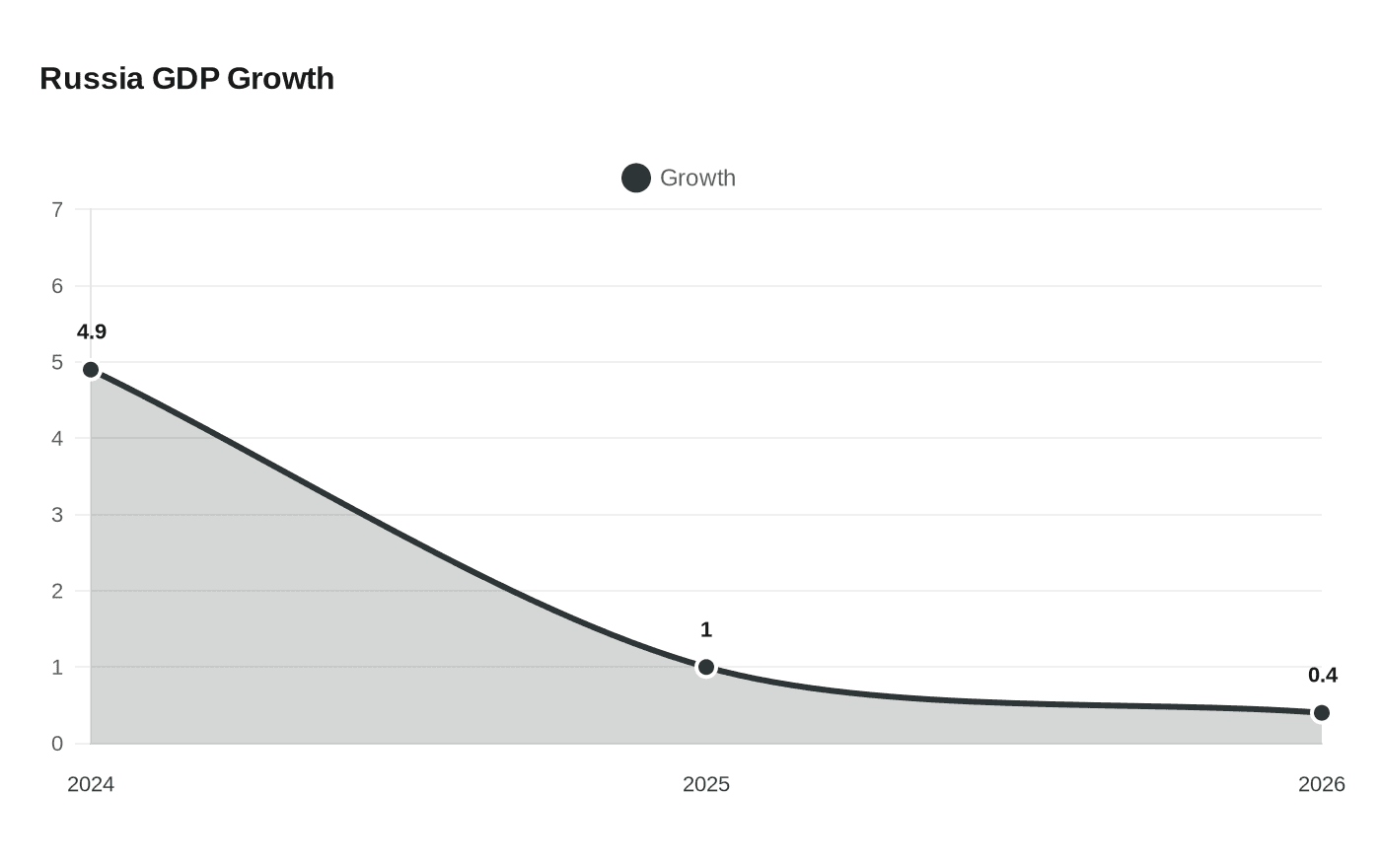
Russia’s economy, long dependent on commodities, slowed sharply in 2025 to about 1% growth from 4.9% in 2024. It then contracted in the first quarter of 2026, with officials pointing to high interest rates, Western sanctions and a stronger ruble. Full-year growth is now forecast at just 0.4%, a level that suggests the wartime boom has lost momentum before accounting for deeper problems such as labor shortages and the drag from prolonged mobilization.
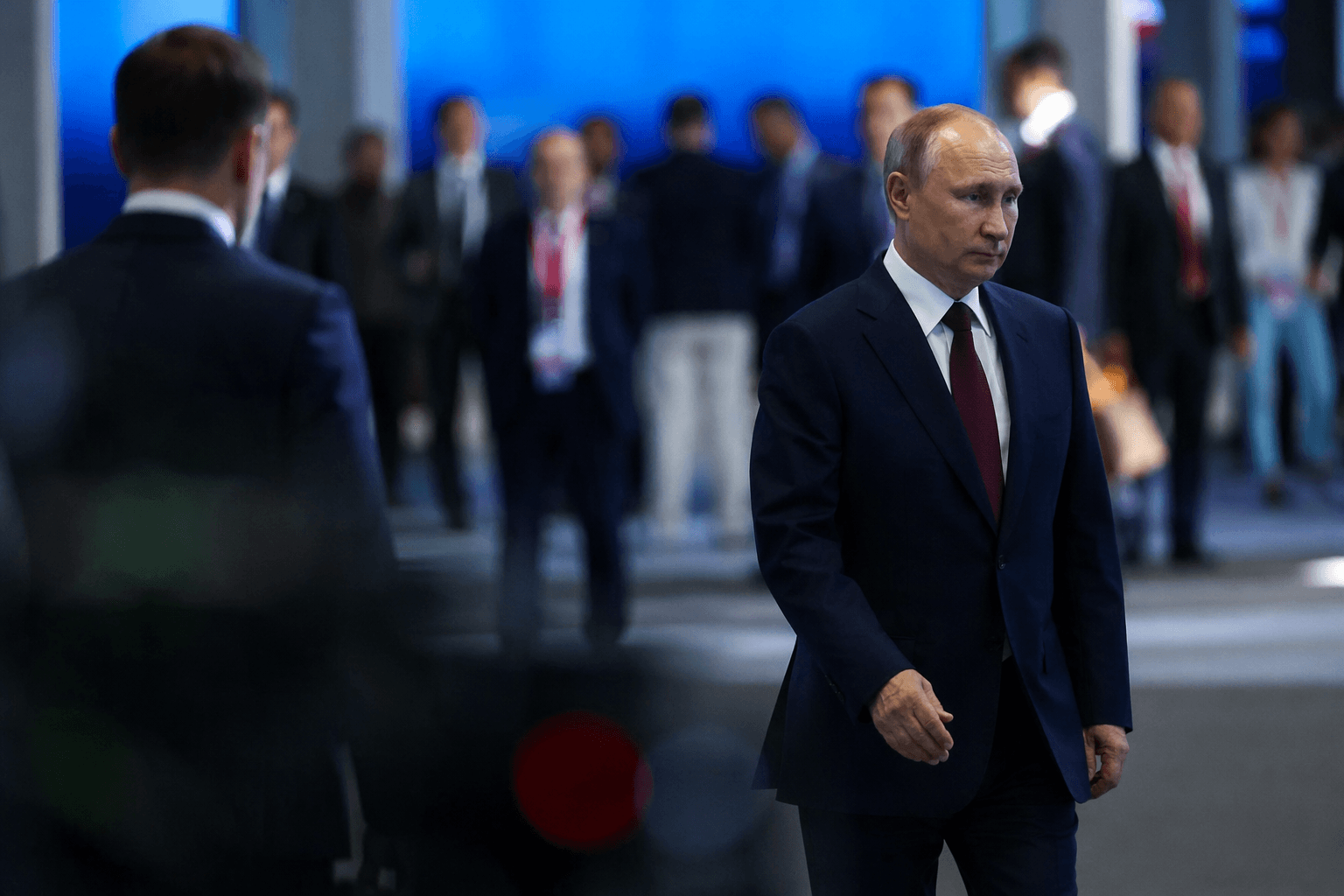
That tension will sit at the center of the 29th St. Petersburg International Economic Forum, which has been held annually since 1997 and under the auspices of the president of the Russian Federation since 2006. The forum’s organizers describe it as a platform for dialogue among government, business and experts from Russia and abroad, but this year’s program also reflects how tightly the economy is being managed under wartime conditions. The agenda will focus on macroeconomic stability, international trade, investment, small business, technology, AI, automation, microelectronics, new materials, energy and cybersecurity.
The forum will also feature bilateral business dialogues with partners from BRICS, the Shanghai Cooperation Organization, the Eurasian Economic Union and ASEAN, underscoring Moscow’s effort to show that it still has economic partners despite sanctions pressure. In practice, the event is as much a test of resilience as a display of it: Ukraine’s drone attacks continue to hit infrastructure, businesses see no end to the war and the state remains heavily reliant on defense production and mobilization.
SPIEF’s scale helps explain why the Kremlin keeps returning to it as a political stage. The forum said its 2025 edition drew more than 24,200 participants and media representatives from 144 countries and territories, including about 8,700 business representatives. It also said 1,084 agreements worth more than RUB 6.481 trillion were signed, excluding undisclosed deals. For Moscow, those numbers are meant to prove Russia remains open for business. The sharper question is where future growth will come from if the war economy keeps running into its own limits.
This article was produced by Prism’s automated news system from verified source data, official records, and press releases, then run through automated quality and moderation checks before publishing. The system is built and supervised by the people who set the standards it runs under. Read our full AI policy.
Know something we missed? Have a correction or additional information?
Submit a Tip