Venezuela oil exports rise for third month as sanctions ease
Venezuela’s oil exports reached 1.25 million barrels a day in May, the third straight monthly gain. More cargoes went to the U.S., India and Europe as sanctions eased.

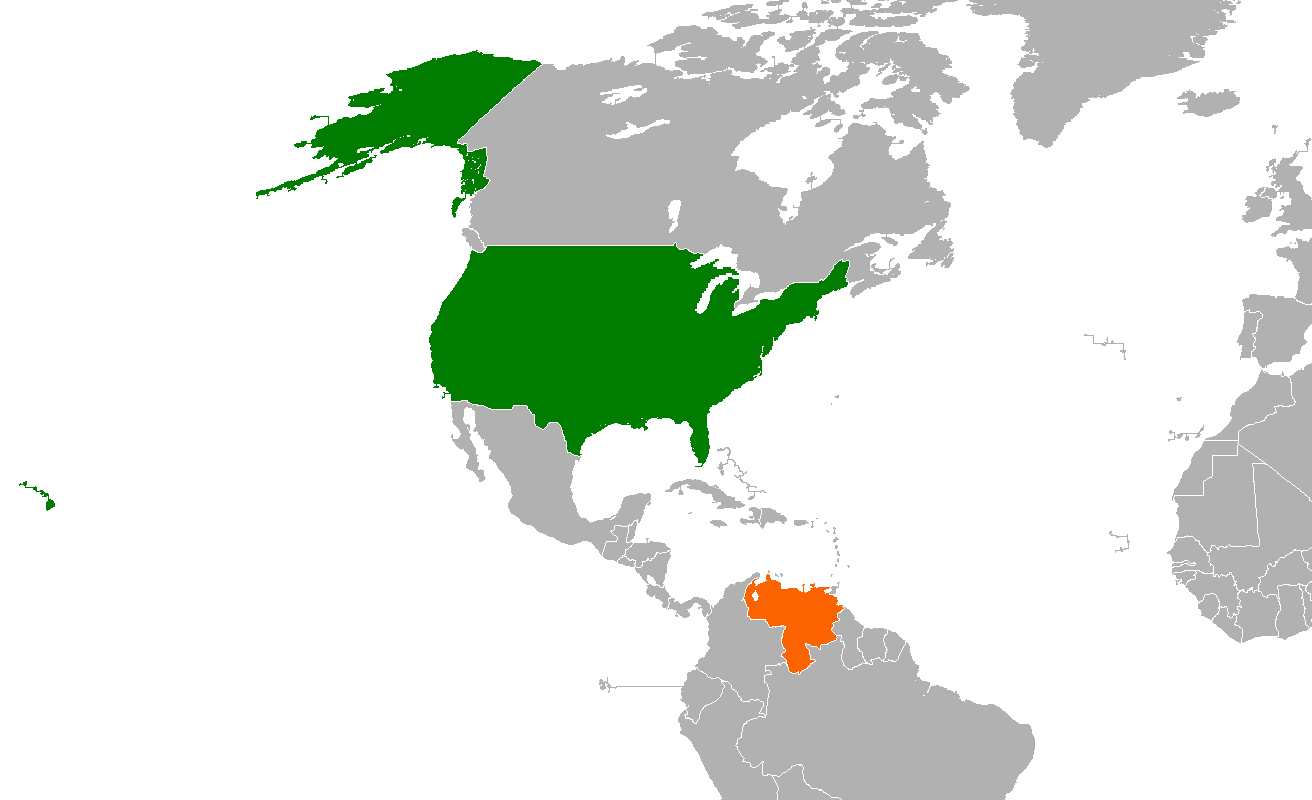
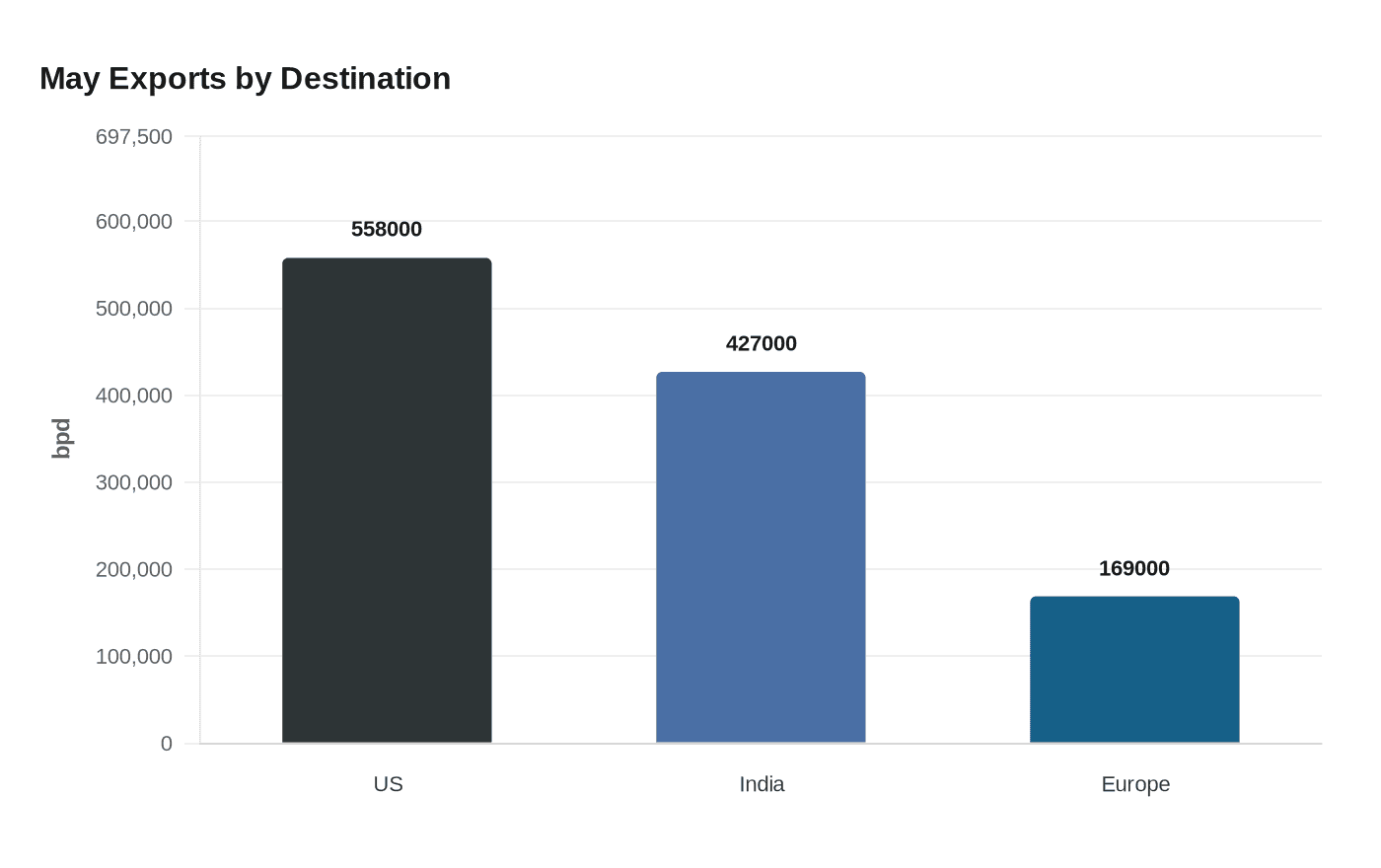
Venezuela’s oil exports climbed to 1.25 million barrels per day in May, marking a third consecutive month of growth and underscoring how quickly the country’s crude trade has revived as sanctions pressure loosened. The biggest outlet remained the United States, which took about 558,000 barrels per day, followed by India at 427,000 and Europe at 169,000, a distribution that shows Venezuela’s barrels moving back into the global flow of refined supply.
The May total was 0.7 percent higher than April and 61 percent above the same month a year earlier. That followed a 14 percent jump in April to 1.23 million barrels per day, the strongest level in more than seven years, after exports first moved back above 1 million barrels per day in March for the first time since September. The rebound has not come from a simple return to older trading patterns. Chevron’s joint venture exports fell to about 269,000 barrels per day in May from 308,000 in April, while global traders Vitol and Trafigura increased shipments to 787,000 barrels per day from 691,000. India’s Reliance Industries was identified as one of the three largest buyers of Venezuelan crude in recent months, buying cargoes directly from PDVSA and through suppliers including Chevron, Vitol and Trafigura.
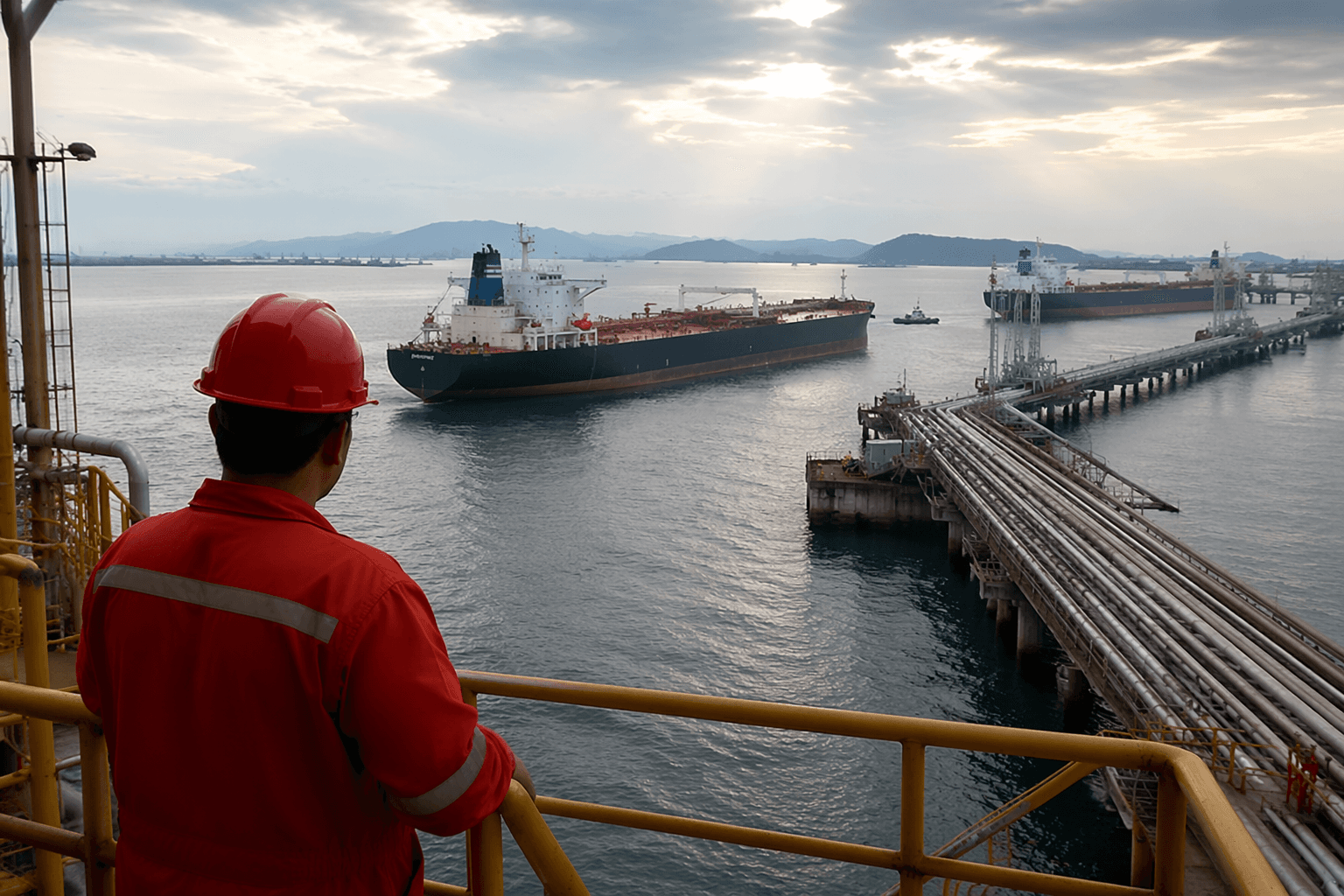
For Caracas, the increase is more than a shipping-data milestone. Under the government of interim President Delcy Rodriguez, Venezuelan crude production and exports have recovered this year as Washington eased some sanctions and foreign companies expanded oil and gas projects in the OPEC member state. The oil ministry has forecast output of 1.37 million barrels per day by year-end, which would be 22 percent above the 1.12 million barrels per day produced in late 2025 and would return the country to a level not seen since U.S. energy sanctions first hit in 2019.
The trade also remains structurally complicated. Venezuela exported petrochemicals and oil byproducts in May and imported heavy naphtha to dilute its extra-heavy crude, a reminder that the system still depends on outside inputs even as volumes rise. For OPEC, the rebound adds another volatile producer back into a market already shaped by geopolitical risk, sanctions shifts and uneven demand, reinforcing how sensitive global supply remains to policy moves in Caracas and Washington.
This article was produced by Prism’s automated news system from verified source data, official records, and press releases, then run through automated quality and moderation checks before publishing. The system is built and supervised by the people who set the standards it runs under. Read our full AI policy.
Know something we missed? Have a correction or additional information?
Submit a Tip