Putin offers debt relief to lure new Russia recruits to Ukraine war
Putin widened a debt-for-service offer to new recruits, letting some soldiers and spouses erase up to 10 million roubles as Moscow strained to fill the ranks.

Vladimir Putin widened the Kremlin’s enlistment toolkit by signing a decree that erased debts for some new Russia recruits to the war in Ukraine and their spouses, turning financial pressure into a direct incentive to sign a military contract. The measure applied to people who signed with the Russian Defense Ministry from May 1 onward, provided the contract lasted at least one year and the debt was already the subject of a legal claim before that date.
The maximum relief was 10 million roubles, a sum roughly equal to the price of a modest studio apartment in Moscow. That scale matters in a country where the war has gone on for more than four years and the Kremlin is still trying to increase manpower while peace talks remain stalled.
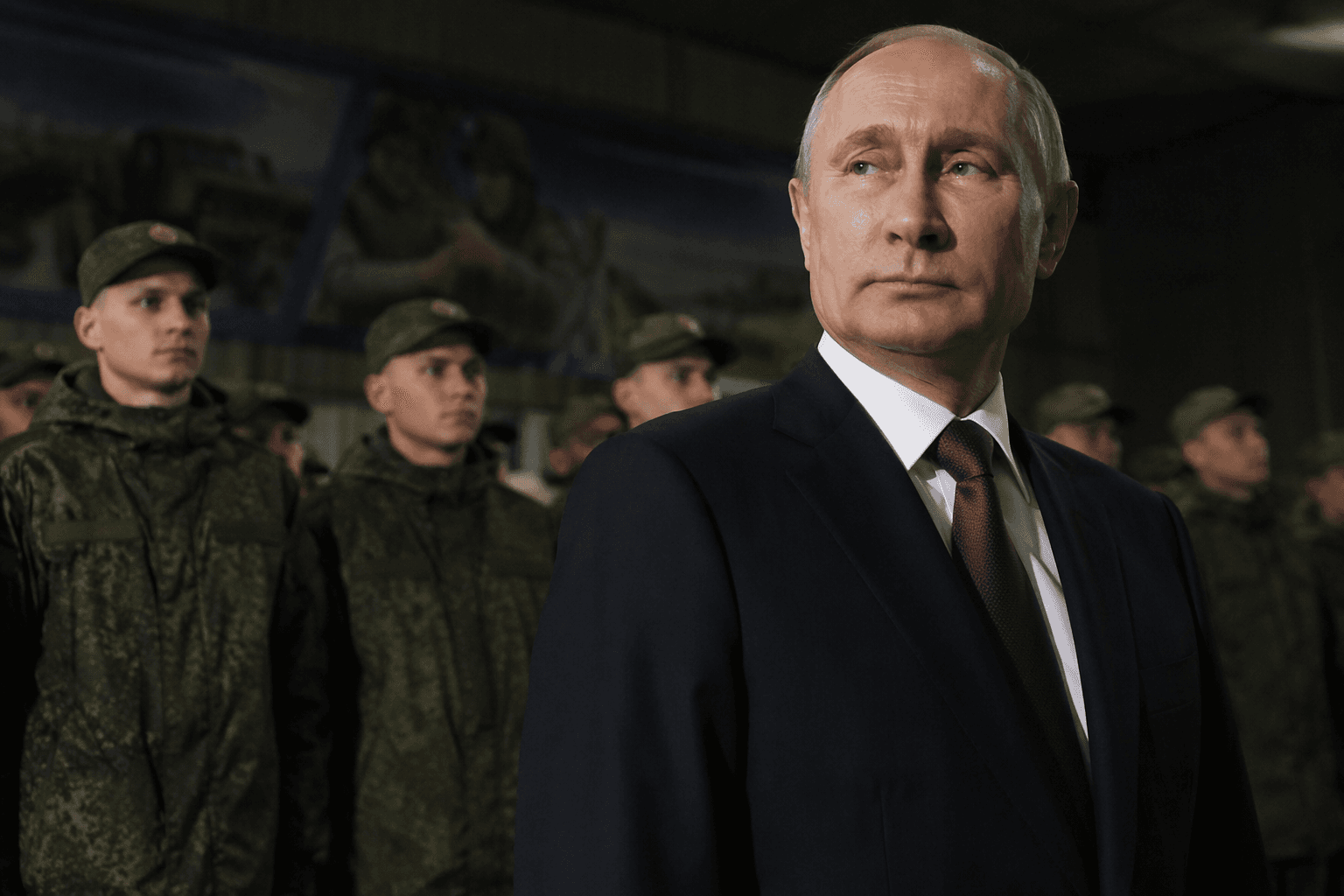
The decree deepened a pattern of recruitment by inducement. Moscow has already leaned on large cash payouts, educational benefits and other support for soldiers and their families to keep enlistment flowing. By adding debt forgiveness, the state is not just paying recruits more, it is targeting people whose household finances may make military service more attractive than civilian alternatives.
Putin also signed a separate decree on the same day that indefinitely extended rental rights for state land for those fighting in Ukraine, further layering benefits onto service in the war. Taken together, the measures show the Kremlin using family security, land access and debt relief as linked parts of the same recruitment strategy.

The approach is not new. In November 2024, Putin signed a law forgiving up to 10 million roubles in debt arrears for new recruits who signed one-year Defense Ministry contracts, beginning December 1, 2024, for debts already in collection proceedings before that date. That earlier measure was also presented as part of the effort to boost enlistment amid manpower shortages.
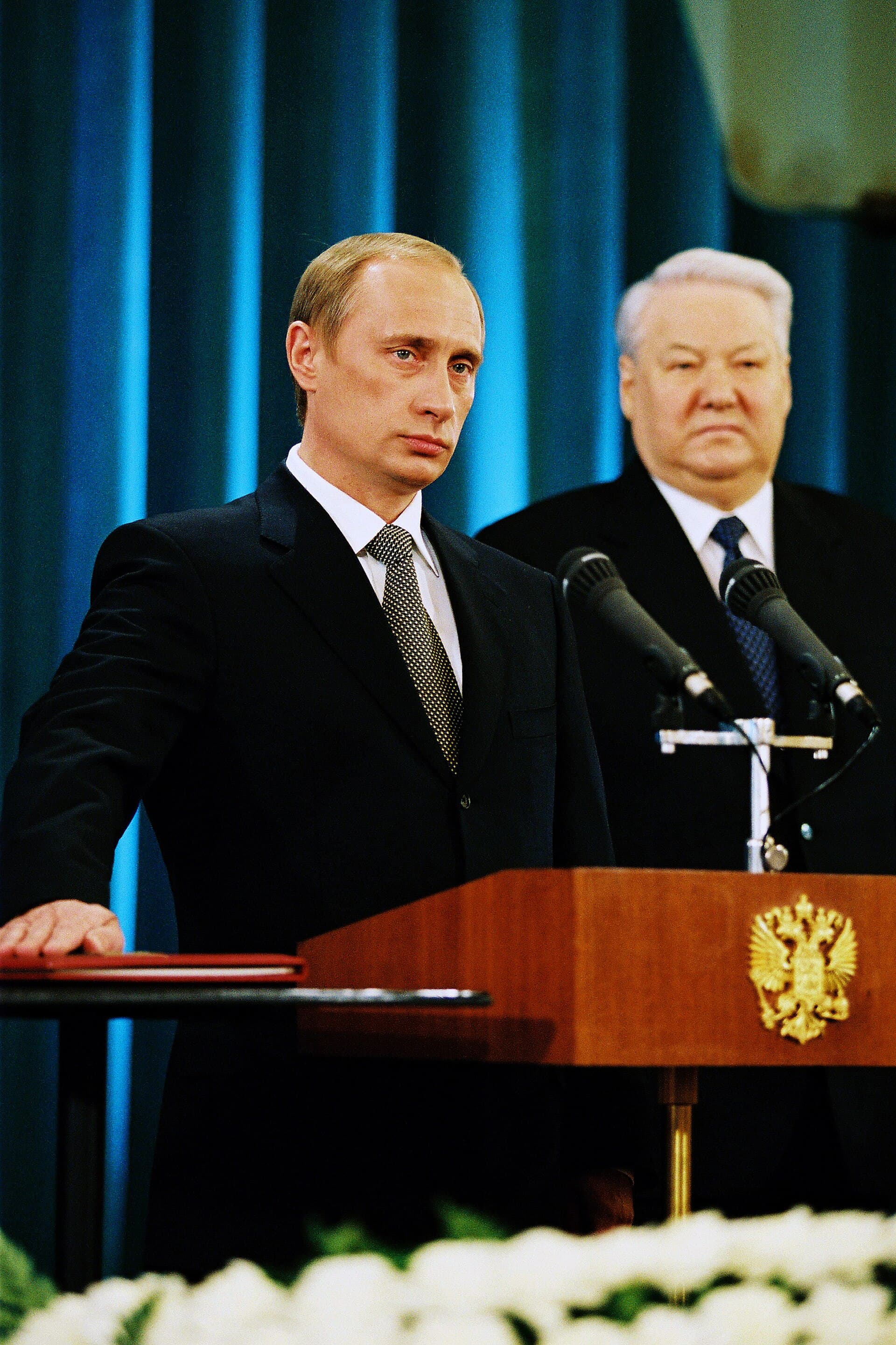
Political scientist Georgi Bowt said the authorities were “strengthening the motivation” to sign such a contract. The latest decree suggests the Kremlin still sees personal debt as both a vulnerability and an opportunity, especially as the war continues to strain Russian households and the state keeps searching for ways to sustain the flow of men to the front.
This article was produced by Prism’s automated news system from verified source data, official records, and press releases, then run through automated quality and moderation checks before publishing. The system is built and supervised by the people who set the standards it runs under. Read our full AI policy.
Did this article answer your question?


