Qantas uses sleep science to soften 20-hour ultra-long-haul flights
Qantas is betting sleep science and lighting design can make 20-hour flights feel less punishing, as it readies Sydney-London and Sydney-New York nonstops.
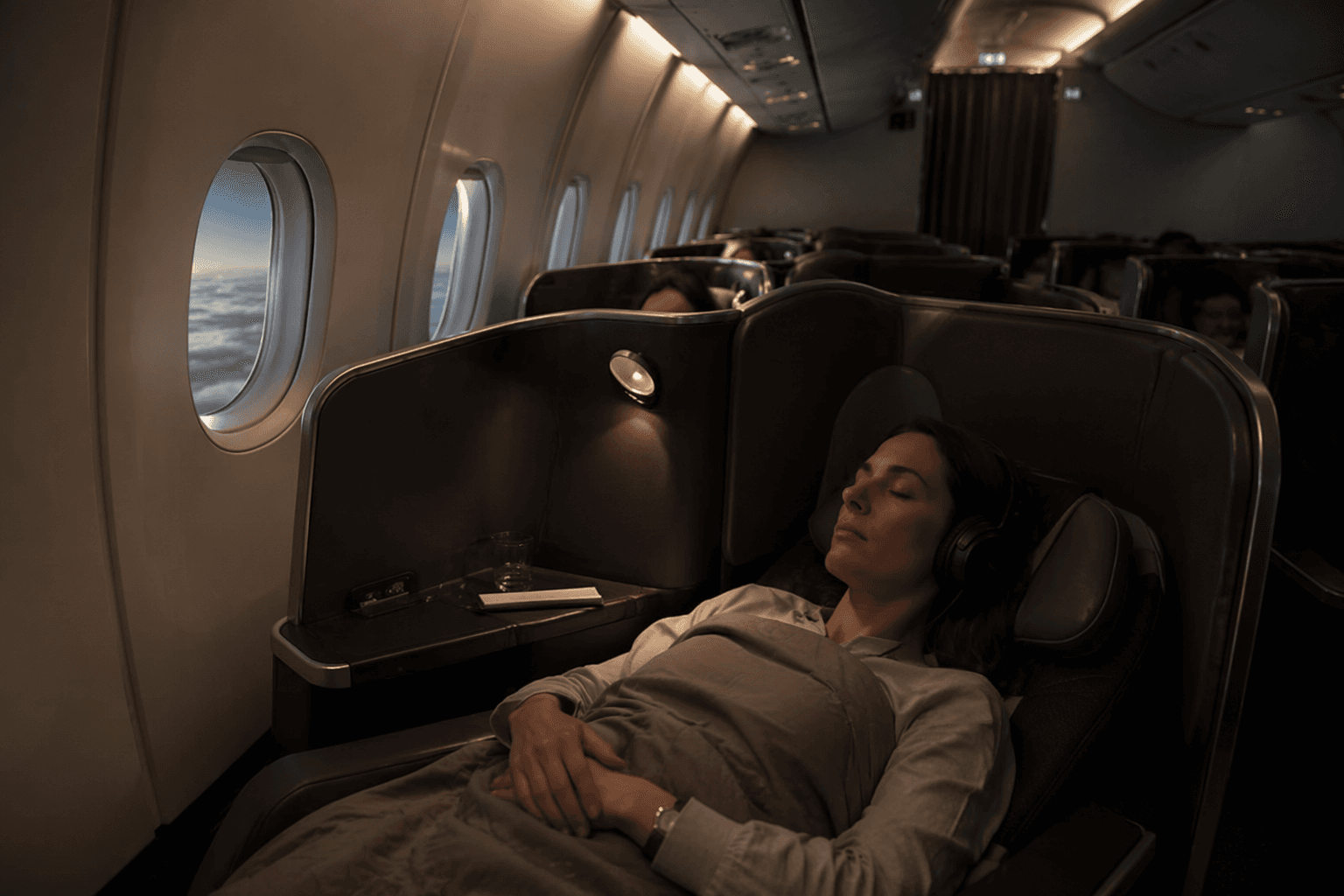
Qantas is trying to turn one of aviation’s most grueling experiences into something passengers might willingly pay extra for: a 20-hour nonstop flight that does not leave them wrecked. The airline unveiled the first of 12 modified Airbus A350-1000ULR jets in Toulouse as the centerpiece of Project Sunrise, a program that has been in development for nearly a decade and is aimed at direct services from Sydney to London and Sydney to New York.
The pitch is straightforward, if ambitious. Qantas wants to make ultra-long-haul travel feel less punishing by building around sleep science, cabin lighting and the practical limits of the human body rather than simply maximizing seats. The aircraft are being fitted with a wellness zone, extra legroom, specially timed meals and animated lighting designed to protect a sleep window and soften the effects of crossing seven to nine time zones on the London route and 14 to 16 on the New York route.
That focus on biology is not cosmetic. Peter Cistulli, a professor of sleep medicine at the University of Sydney who worked on the research, said the journey is a major biological challenge because the body clock is being pushed across so many time zones. Qantas said it also studied nutrition, ergonomics and movement, and tests showed better alertness when meal timing and lighting were optimized than when passengers were given a more traditional service.
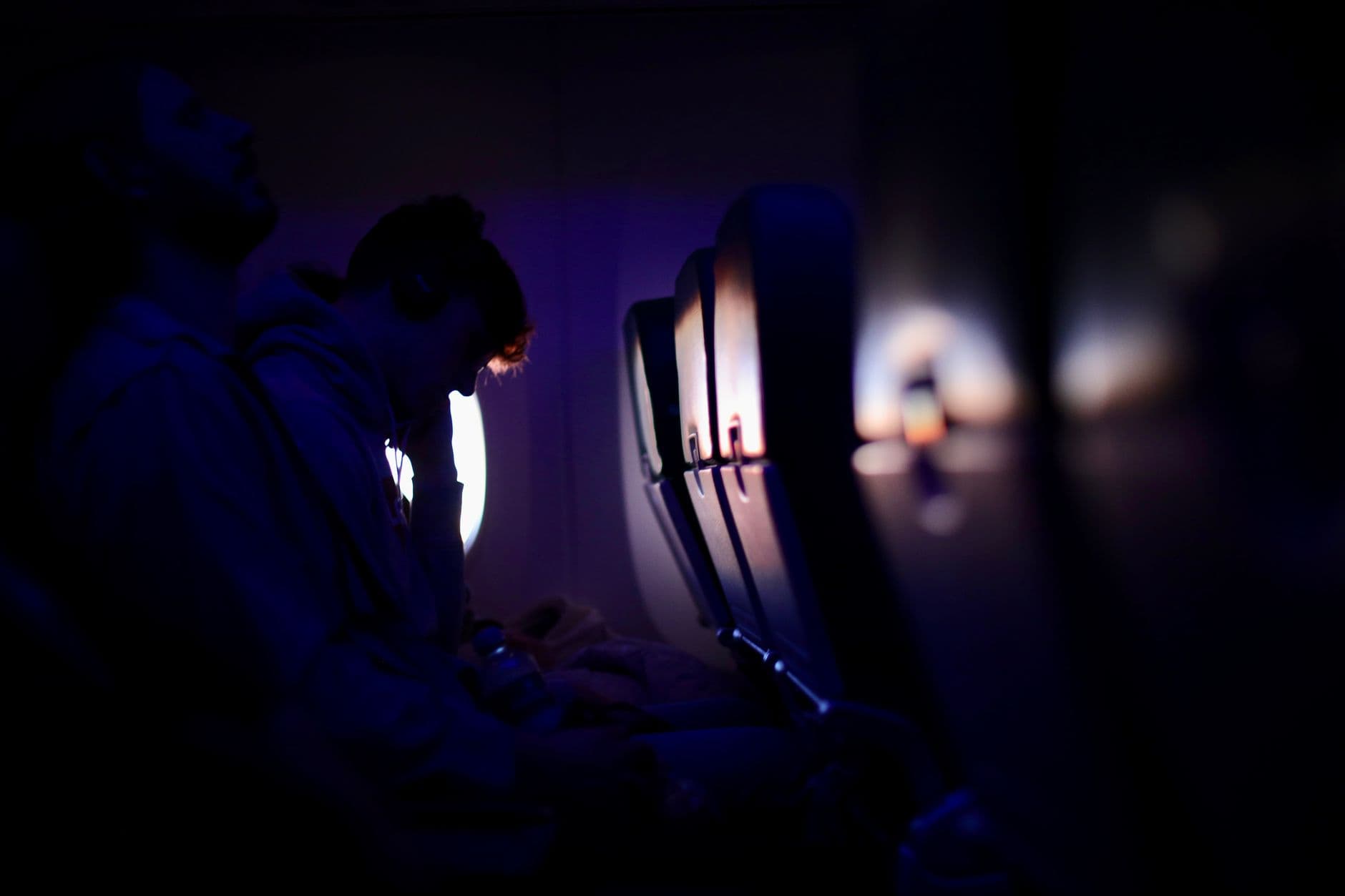
Frequent long-haul travelers say the airline is homing in on the right problem. The biggest factors in deciding whether to take such flights were seat comfort, the ability to move around and cost, according to travelers who spoke with Reuters. That is a useful reminder that the battle for ultra-long-haul demand is not just about range or engineering. It is about whether passengers believe the experience is worth the premium.
If Qantas can make its sleep-science pitch work on routes that last nearly a full day, it could reshape the economics of premium flying. Airlines have long sold distance; the next contest may be over how little that distance hurts. In that sense, Project Sunrise is more than a new aircraft program. It is a test of whether comfort, not just connectivity, can define the future of very long air travel.
This article was produced by Prism’s automated news system from verified source data, official records, and press releases, then run through automated quality and moderation checks before publishing. The system is built and supervised by the people who set the standards it runs under. Read our full AI policy.
Did this article answer your question?

%3Amax_bytes(150000)%3Astrip_icc()%2FCertificate-of-deposit-2301f2164ceb4e91b100cb92aa6f868a.jpg&w=1920&q=75)
