Quick Guide to Lion’s Breath - Technique, Benefits, and Practice
Learn how to do Lion’s Breath (simha pranayama), a short, simple yogic breath-and-expression technique that releases facial tension and helps downshift your nervous system. This guide gives clear steps, recommended rounds, finishing breathwork, evidence-backed benefits, and community-friendly tips to add Lion’s Breath to your routine.
1. What Lion’s Breath Is
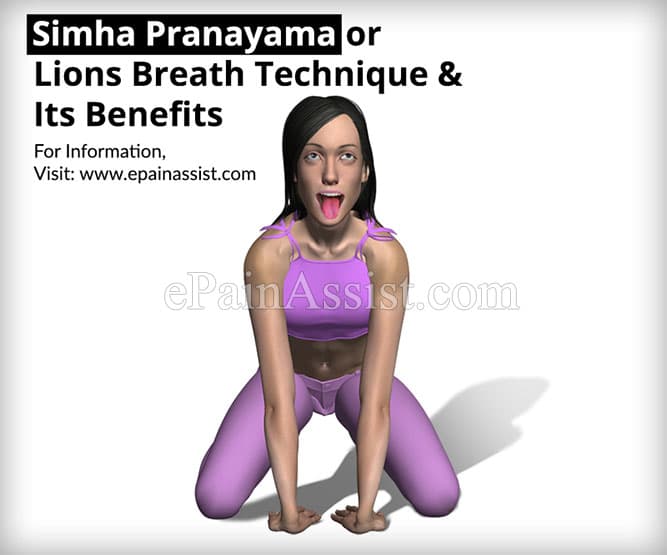
Lion’s Breath, or simha pranayama, is a brief yogic practice that combines an intentional inhale with a forceful exhale, an expressive face and tongue extension, and a soft upward gaze. It’s designed to physically release tension around the jaw, mouth, and face while engaging breath and vocal expression to influence the nervous system. The practice is simple, portable, and easy to teach in community classes or use as a quick reset between activities.
2. Core benefits you can expect
Practicing Lion’s Breath can support improved lung function through intentional, forceful exhalation that encourages full breath cycles and clearer airways. It also contributes to stress reduction by shifting nervous-system balance toward parasympathetic activation, which helps you feel calmer after short practice bursts. There’s evidence suggesting reductions in anxiety, including some benefits for social anxiety, likely because the expressive release reduces internal tension and inhibition.
3. Preparation and posture
Find a comfortable seated position with an upright spine — sit cross-legged, on a chair, or on a cushion so your pelvis supports a tall posture. Ground both sit bones and keep shoulders relaxed, allowing the throat and face to remain free and mobile for uninhibited expression. Keep your gaze gentle and slightly upward; if neck strain occurs, lower the gaze or practice with a neutral head position.
4. Step-by-step practice instructions
The sequence below follows guidance from a functional-medicine specialist cited in the piece.
1. Sit comfortably with a tall spine and relaxed shoulders.
2. Inhale slowly and naturally through the nose, filling the lungs.
3. Exhale forcefully through the mouth while sticking your tongue out fully and producing an audible “haaaa,” maintaining a gentle upward gaze.
4. Relax the face and breathe normally for a short rest before the next round.
5. Recommended rounds and finishing breathwork
Aim for 5–10 rounds of Lion’s Breath, taking a short rest of normal breathing between each round to re-center and avoid strain. After completing your rounds, finish with one minute of deep, even breathing (slow inhales and exhales through the nose) to integrate the effects and help the nervous system settle. These short, repeatable sequences make Lion’s Breath practical for morning routines, midday resets, or as a prelude to social situations that cause anxiety.
- Start gently: begin at the lower end of the 5–10 range and increase as you feel comfortable to avoid overexertion.
- Keep the jaw relaxed: if your jaw or neck tenses, shorten the tongue extension or soften the force of the exhale.
- Use it socially: practice in a private or group class setting first so you gain comfort with the expressive element; this helps normalize the technique for later use in public.
- Modify head position: maintain a neutral gaze if any upward gaze causes discomfort.
6. Practical tips and common adjustments
7. What to expect emotionally and physically
Lion’s Breath can feel theatrical at first; you might notice an immediate sense of release in your face and throat and a brisk shift in mood. As the functional-medicine specialist noted, “Lion’s breath might feel sort of silly at first…you’ll start to feel more comfortable and less inhibited.” Repeated practice often reduces self-consciousness, making the technique easier and more effective over time. Physically, many people report clearer breathing and a lightened sense of tension.
8. Safety, limitations, and when to consult
Lion’s Breath is brief and generally accessible, but if you have specific respiratory, cardiovascular, or throat conditions you should check with a healthcare professional before starting any new breathing practice. Stop immediately if you feel dizzy, lightheaded, or experience pain, and resume with gentler breathing or after medical advice. Use common-sense pacing: the technique is intended for short resets rather than long, intense respiratory workouts.
9. Community relevance and how to bring it into classes
Lion’s Breath is ideal for community yoga classes, workplace wellness breaks, or social-anxiety workshops because it’s quick, participatory, and doesn’t require props. Instructors can introduce it as a five-minute opener or as a transition tool to shift energy in a group. Encourage an atmosphere of play and nonjudgment so participants feel safe expressing themselves aloud; this increases uptake and helps normalize the expressive aspect for newcomers.
10. Practical session templates you can use
Use this simple micro-practice template for classes or personal use:
1. One minute of seated centering and gentle inhalations.
2. 5–10 rounds of Lion’s Breath with short rests between each round.
3. One minute of slow, deep nasal breathing to close.
Rotate this mini-sequence into morning routines, breaks between meetings, or as a grounding practice before public speaking to harness both breath and expression for calm confidence.
Sources:
Know something we missed? Have a correction or additional information?
Submit a Tip