Quitman County Profile: Towns, Demographics and Delta Community Context
Quitman County's small Delta towns and shifting population affect school enrollment, grant eligibility and local planning, important for residents and new arrivals.
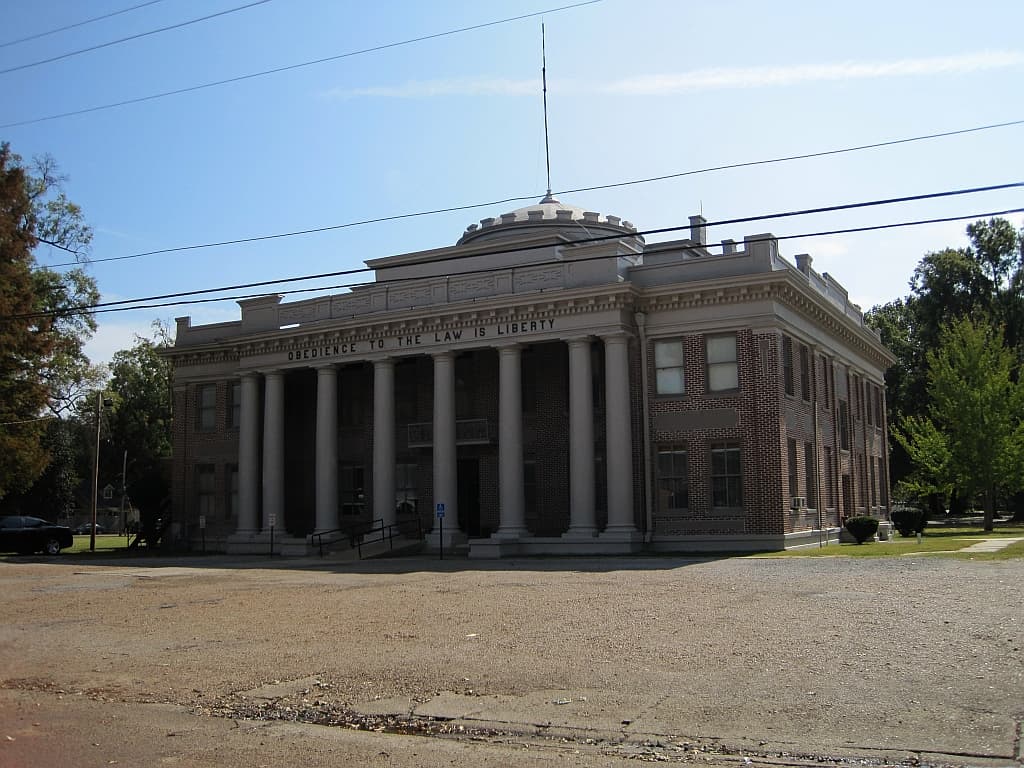
Quitman County is a compact Mississippi Delta county centered on the county seat in Marks, where many local services and county offices are based. The county includes the towns of Marks, Crowder, Lambert and Falcon. These small-town populations and broader population changes across the Delta shape grant eligibility, school enrollment counts and local planning decisions that matter to residents, municipal leaders and service providers.
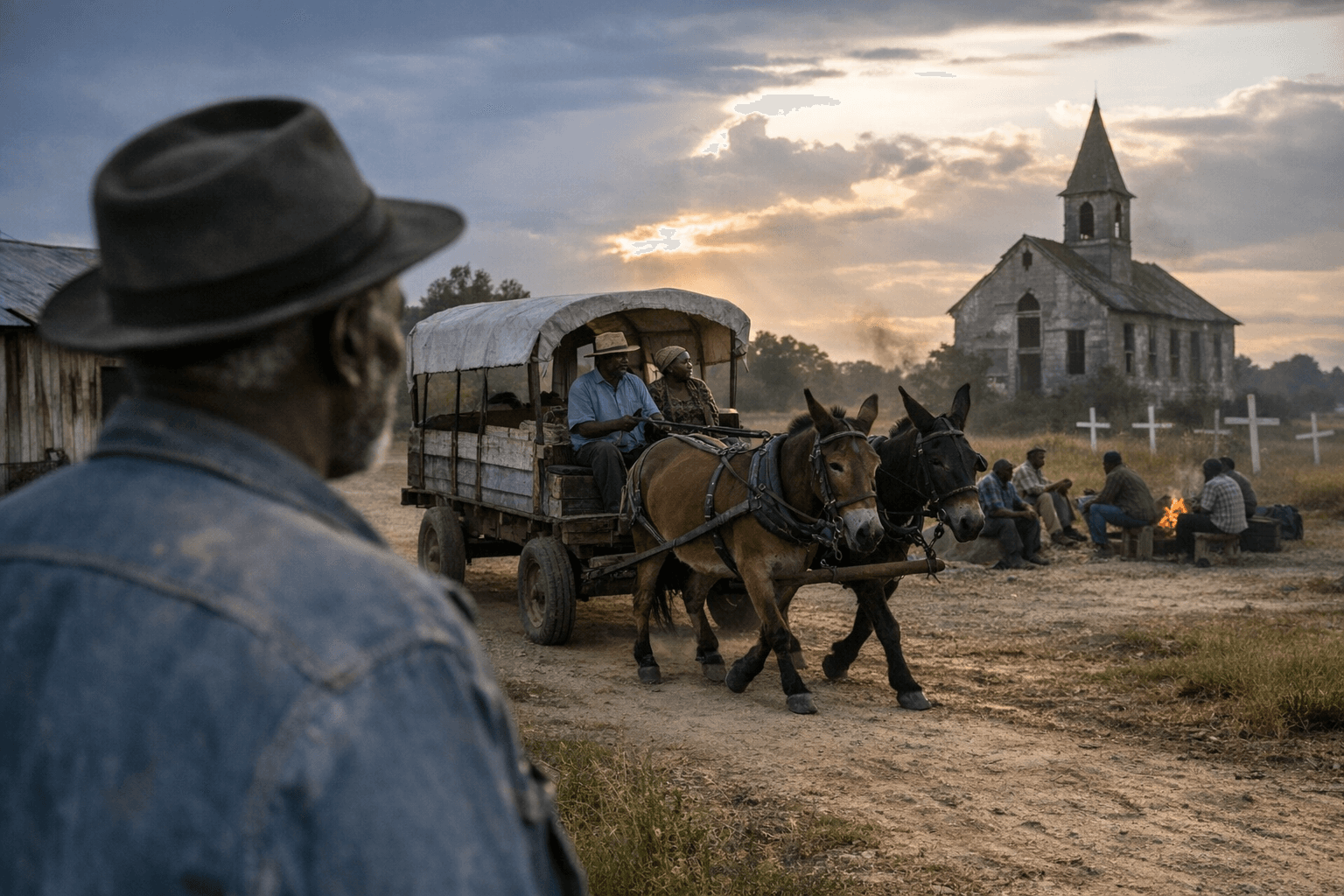
Agriculture and riverine geography remain the backbone of the local economy and civic life. Farming, river and floodplain management, and the maintenance of levees and drainage systems influence employment, land use and infrastructure spending. Local institutions such as churches, schools and community clinics anchor daily life and provide critical social services in the absence of larger countywide footprints. Small-town downtowns in Marks and the surrounding towns host cultural and civic activities year-round, and the courthouse and municipal offices in Marks serve as focal points for county governance and public access to services.
Demographic trends in Quitman County reflect longer-term patterns seen across parts of the Delta, including population decline in recent decades. That decline has practical implications: reduced tax bases and smaller school rosters can change school classification, shrink municipal revenues and alter eligibility for certain state and federal grants. Local planners must weigh investments in roads, utilities and flood mitigation against constrained budgets, while school administrators monitor enrollment changes that affect staffing and program offerings.
For residents and newcomers, the built environment and civic calendar are centered on Marks but spread across the smaller towns. Lambert and Crowder provide local churches, schools and community organizations that sustain social networks and volunteer efforts. Falcon contributes to the county’s patchwork of small communities that rely on shared resources and periodic countywide gatherings.

Reporters, researchers and new residents should treat this overview as a starting point. For current population figures, planning documents, festival dates, museum initiatives or grant announcements, check municipal and county web pages and local newspapers for the latest updates. Local officials in Marks manage many county functions, so municipal offices are often the first contact for permitting, records and public meetings.
The immediate takeaway for Quitman County readers is practical: shrinking and shifting populations change how services are delivered and how projects get funded. Community institutions—schools, churches and local government—remain the levers through which residents can influence budget priorities, infrastructure projects and cultural initiatives. Tracking enrollment figures and grant cycles will be essential for residents and leaders planning for the next phase of the Delta’s economic and civic life.
Sources:
Know something we missed? Have a correction or additional information?
Submit a Tip