Radev’s coalition leads in Bulgaria vote, ending months of political turmoil
Rumen Radev’s coalition surged ahead in Bulgaria’s eighth election in five years, raising new questions for the EU and NATO as coalition talks began.
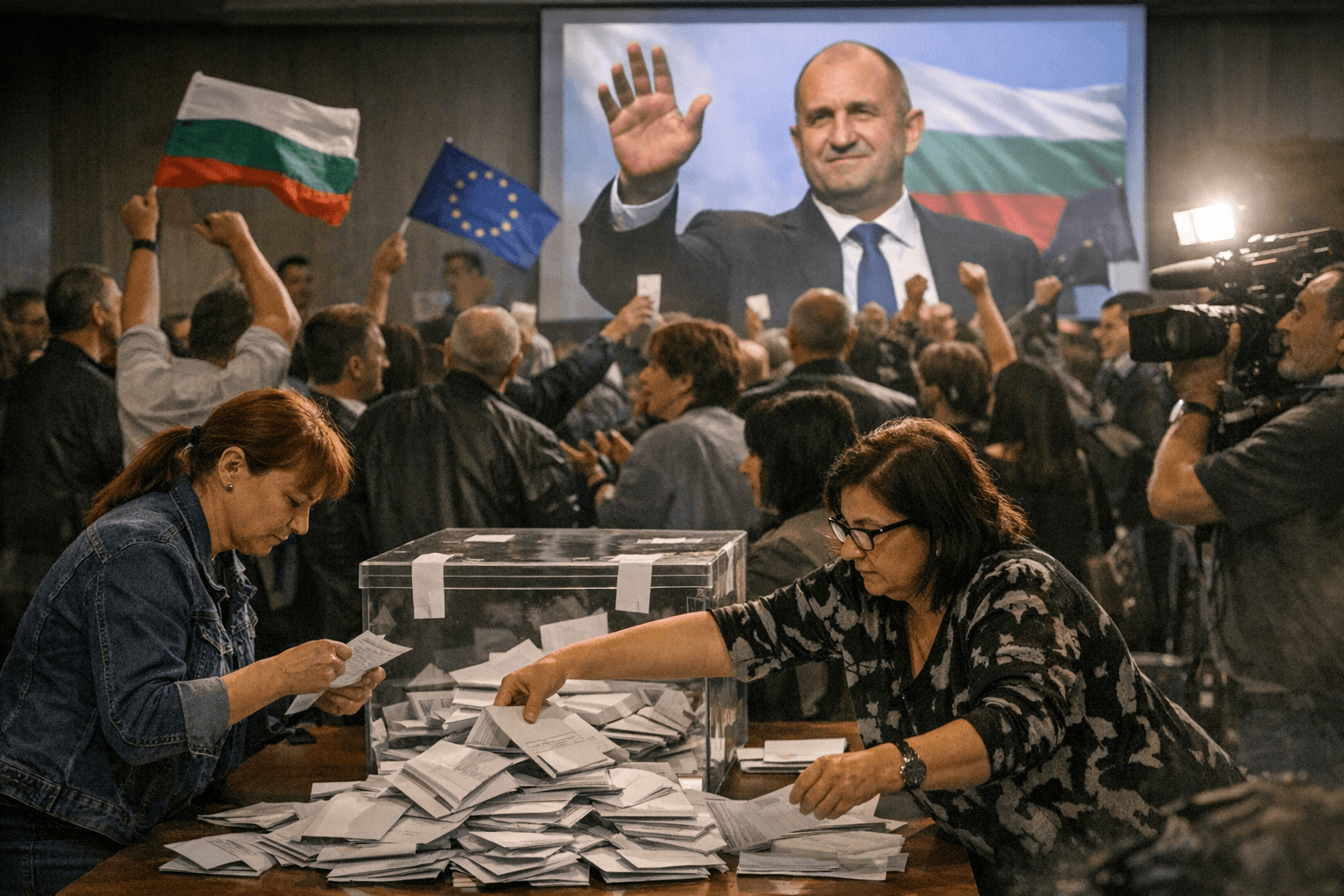
Rumen Radev’s political comeback put Bulgaria on a new and uncertain course, with early results showing his Progressive Bulgaria coalition in front after a vote that also signaled broader pressure on Europe’s eastern flank. With 32 percent of ballots counted, the alliance led with 44.59 percent, while an Alpha Research exit poll had put it at about 44 percent.
The result came after a campaign built on fatigue with corruption, unstable coalitions and repeated snap elections. Bulgaria held its eighth parliamentary election in five years after the previous government resigned in December 2025 amid mass anti-corruption protests. For many voters, the contest was not just about who would govern Sofia, but whether any government could last long enough to restore confidence in the state.
Radev’s ascent carried added weight because he is not a conventional party boss. He resigned as president in January 2026 after nine years in office to enter politics more directly, a move that marked the first resignation of a Bulgarian head of state in the post-communist era. He campaigned on dismantling what he called an “oligarchic” and “mafia” model of governance, and aligned himself with the anti-corruption protests that helped topple the last government.
The wider European stakes are hard to miss. Bulgaria is both a member of the European Union and NATO, and a Radev-led government could complicate the bloc’s internal cohesion at a moment when Brussels is already managing war in Ukraine, strains over defense spending and persistent concern about Russian influence inside member states. Radev criticized military aid to Ukraine during the campaign and has argued for warmer ties with Russia, positions that are likely to sharpen debate over Bulgaria’s role inside both alliances.
Even with the lead, Radev’s camp still faced the arithmetic of power. Coalition partners could still be needed to secure a parliamentary majority, leaving the shape of the next government unsettled despite the strong showing. Boyko Borissov, the longtime GERB leader and former prime minister, captured that reality bluntly: “elections decide who comes first, but negotiations will decide who governs.”
That left Bulgaria with a familiar but consequential question. After years of short-lived governments and snap elections, the country’s next coalition would not only decide policy in Sofia. It could also echo through Brussels, NATO headquarters and the broader contest over how much room Moscow still has to maneuver inside Europe.
This article was produced by Prism’s automated news system from verified source data, official records, and press releases, then run through automated quality and moderation checks before publishing. The system is built and supervised by the people who set the standards it runs under. Read our full AI policy.
Did this article answer your question?

