RaDonda Vaught speaks on hospital safety after fatal drug error
RaDonda Vaught now speaks on hospital safety after a fatal 2017 drug mix-up that exposed the fault line between individual blame and system design.
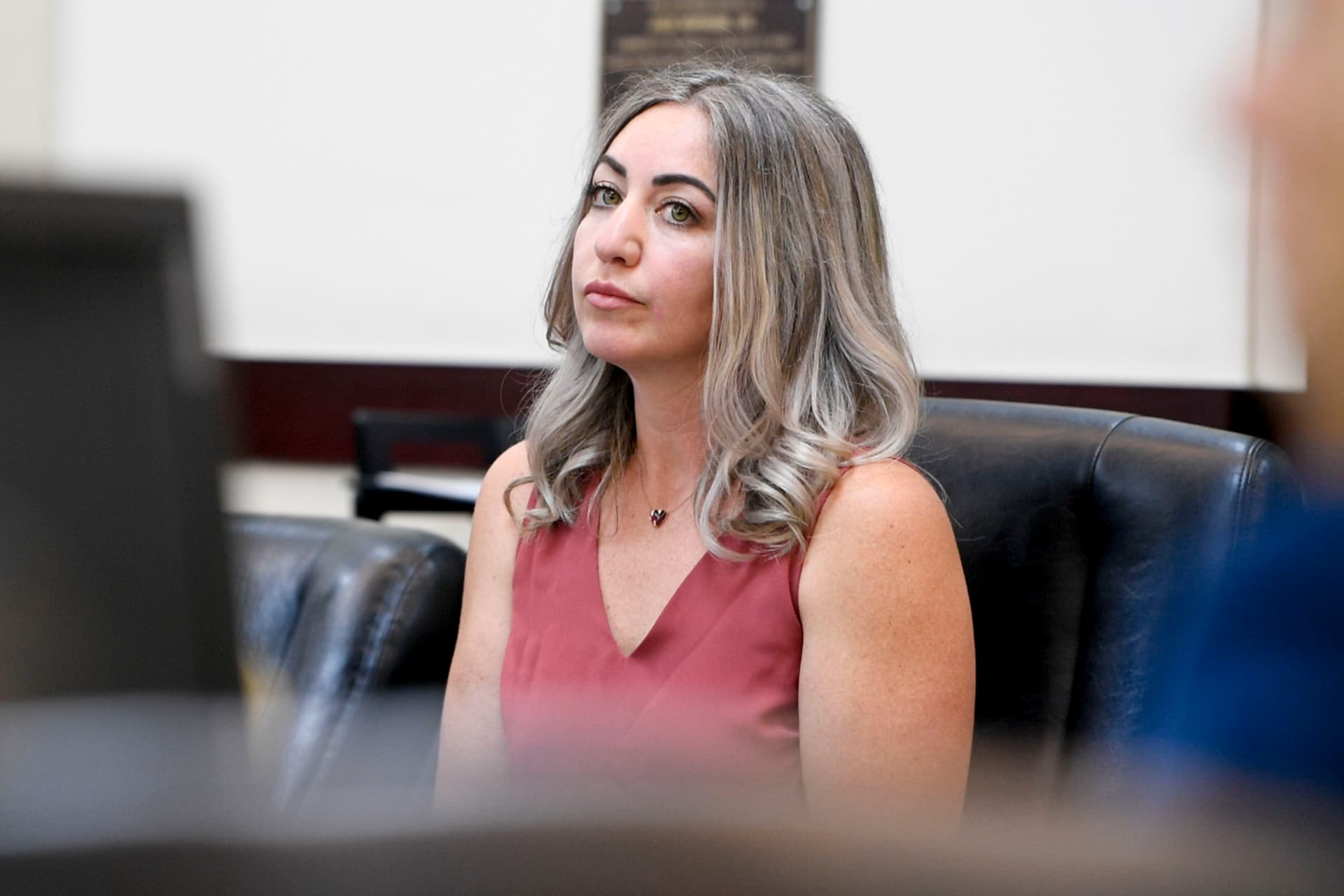
RaDonda Vaught has turned a case that ended her nursing career into a platform for warnings about hospital safety, automation and artificial intelligence. Her name is tied to the December 26, 2017 medication error at Vanderbilt University Medical Center in Nashville, where she intended to give 75-year-old Charlene Murphey the sedative Versed, also known as midazolam, but instead administered vecuronium, a paralyzing drug that can stop breathing. Murphey died the next day.
The case did not become public until late 2018, and by then it had grown into a national argument over how far criminal law should reach into medicine. In March 2022, a Nashville jury convicted Vaught of criminally negligent homicide and gross neglect of an impaired adult. She was later sentenced to three years of probation. The Tennessee Board of Nursing had already revoked her registered nursing license on July 23, 2021.

That punishment did not settle the larger dispute. The American Nurses Association and the Tennessee Nurses Association said they had hoped for a different outcome and warned that criminalizing medical errors could discourage reporting and make hospitals less likely to confront weak systems. In a 2025 appellate decision, Tennessee courts described the separate licensing case and noted that the board revoked Vaught’s license after she retrieved the wrong medication from an automatic dispenser and administered it to a hospital patient. The details of the error, including the role of the dispenser and override practices, have made the case a staple in patient-safety debates.
Vaught now speaks publicly about hospital culture, system design, transparency and accountability, and about the new risks that come with overreliance on automation and AI. Her supporters say the case shows how a single catastrophic mistake can be shaped by flawed workflow, while critics argue that no system removes the responsibility to verify a drug before it reaches a patient. Vaught has said she understands that it can look as if she is benefiting from a tragedy of her own making, but she has framed her talks as an attempt to keep other clinicians from repeating the same sequence of failures.
This article was produced by Prism’s automated news system from verified source data, official records, and press releases, then run through automated quality and moderation checks before publishing. The system is built and supervised by the people who set the standards it runs under. Read our full AI policy.
Did this article answer your question?