Raise3D launches RMS220 SLS to create single-polymer AM ecosystem
Raise3D launches the RMS220 SLS as its first SLS system, pairing a €5,999 full license with €120/10 kg material cards and planned post-processing tools including an automated blast cabinet in early 2026.
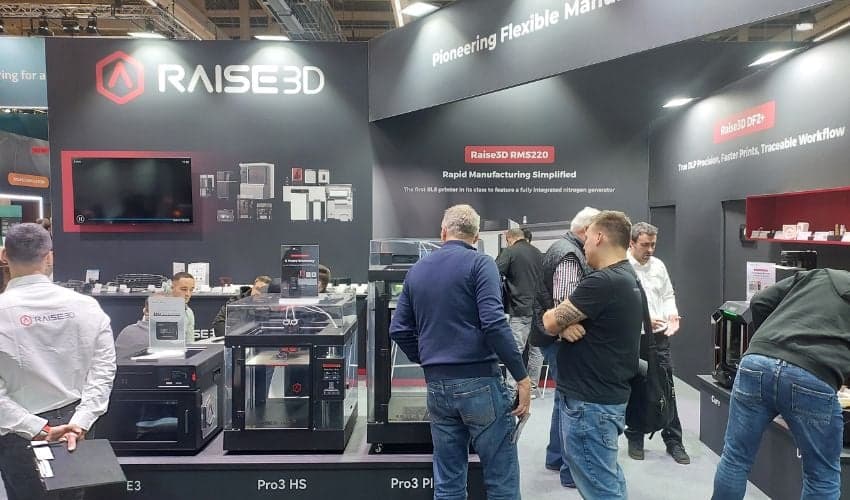
Raise3D announced the RMS220 as its first SLS system and a strategic expansion of its decade-old 3D printer lineup, pairing hardware with a two-tiered materials and licensing model priced at about €5,999 for a full license and roughly €120 per 10 kg for material cards. The move is pitched as a way to knit filament, resin and now SLS into a single polymer AM ecosystem while the company marks its tenth anniversary this year.
The materials strategy is explicit and pragmatic. A full license “unlocks all printing parameters” and enables use of any powder, including third-party powders, while material cards “temporarily activate features similar to the full license” so users can experiment with specific powders or produce small batches without the full unlock. The manufacturer frames the policy as a balance between openness and controlled reproducibility: “This hybrid strategy allows users to maintain the machine’s flexibility while ensuring print reproducibility, regardless of their level of expertise.”
Raise3D is shipping the RMS220 with a growing post-processing stack aimed at contamination control and throughput. The cleaning station shown in hands-on images carries a caption in French, “La station de nettoyage en utilisation,” and its air filtration system “allows it to be used ‘open,’ without the front panel.” The company recommends one cleaning/post-processing station per material to avoid cross-contamination, and notes operational tooling will expand: “The air gun was not yet present in the test version, but it will be included in the final version to accelerate powder removal.” An automated blast cabinet is planned for early 2026 to complete the post-processing ecosystem and support powder recovery and recycling workflows.
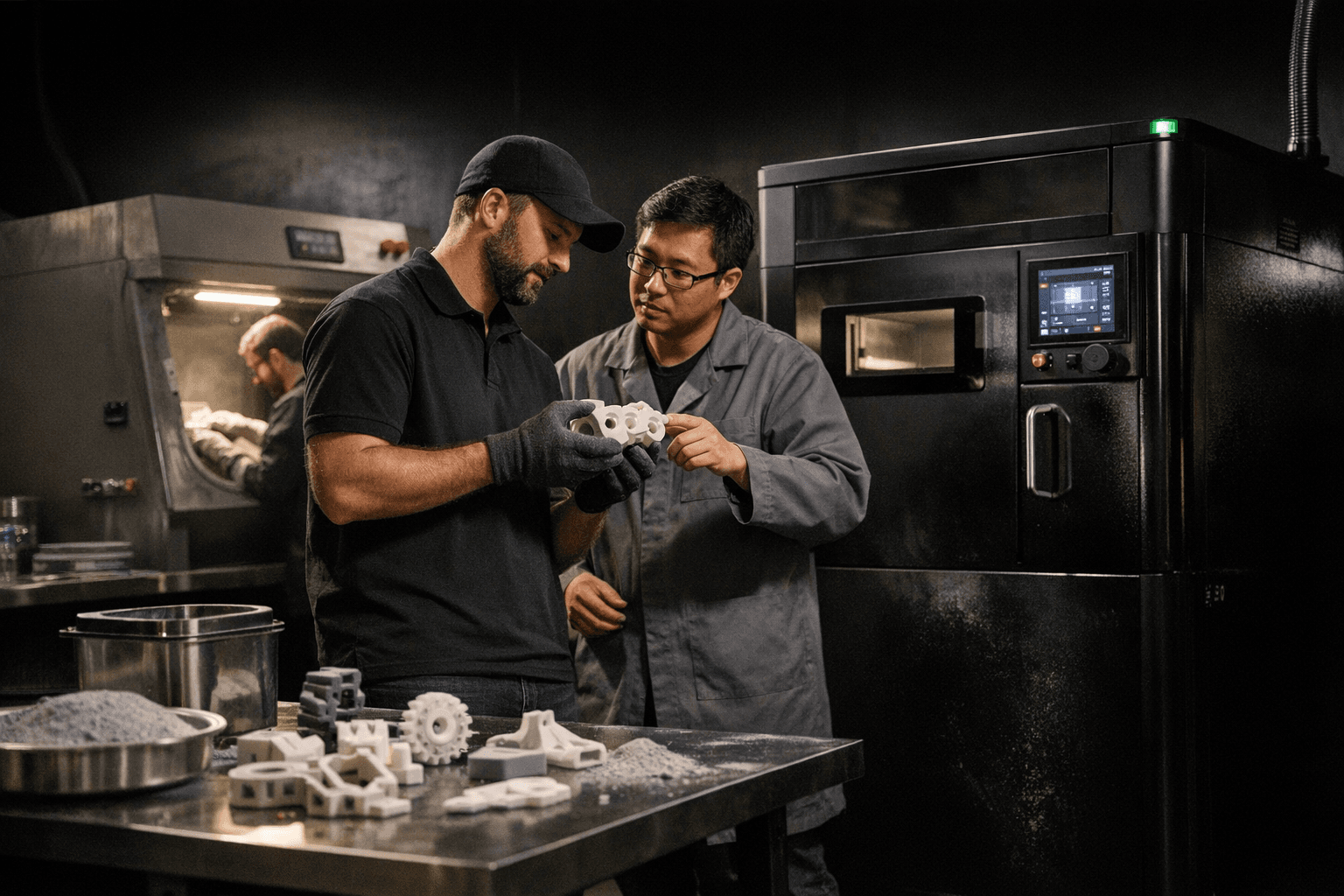
Raise3D positions the RMS220 inside a broader product family that already includes Pro3 and E2 FDM printers, DF2 and DF2+ resin systems, and the ideaMaker slicer, framing the SLS launch as “a strategic turning point” toward a multi-technology professional offering. The company states an explicit aim “to offer a comprehensive SLS solution, from slicing to the finished part, including powder recovery and recycling,” signaling intention to sell machines plus an end-to-end workflow rather than standalone boxes.
Hands-on coverage of the test unit notes limits in the demo hardware but reaches a positive verdict: “For its first foray into SLS, Raise3D has made a successful debut.” What remains unspecified in the announcement are core RMS220 technical specs and a commercial release date; buyers will need clarification on build volume, laser configuration, and the mechanics of the material card unlock. Still, with a clear price for full parameter access and a cheaper experimental route via €120/10 kg material cards, Raise3D has set a commercial framework for customers deciding between open-material flexibility and controlled, reproducible SLS production.
Know something we missed? Have a correction or additional information?
Submit a Tip