Ralph Lauren wins China’s luxury shoppers with heritage and resale appeal
Xiao Neng has spent at least $1 million on Ralph Lauren, then resells the label from two Shanghai vintage stores as China’s luxury market stays shaky.
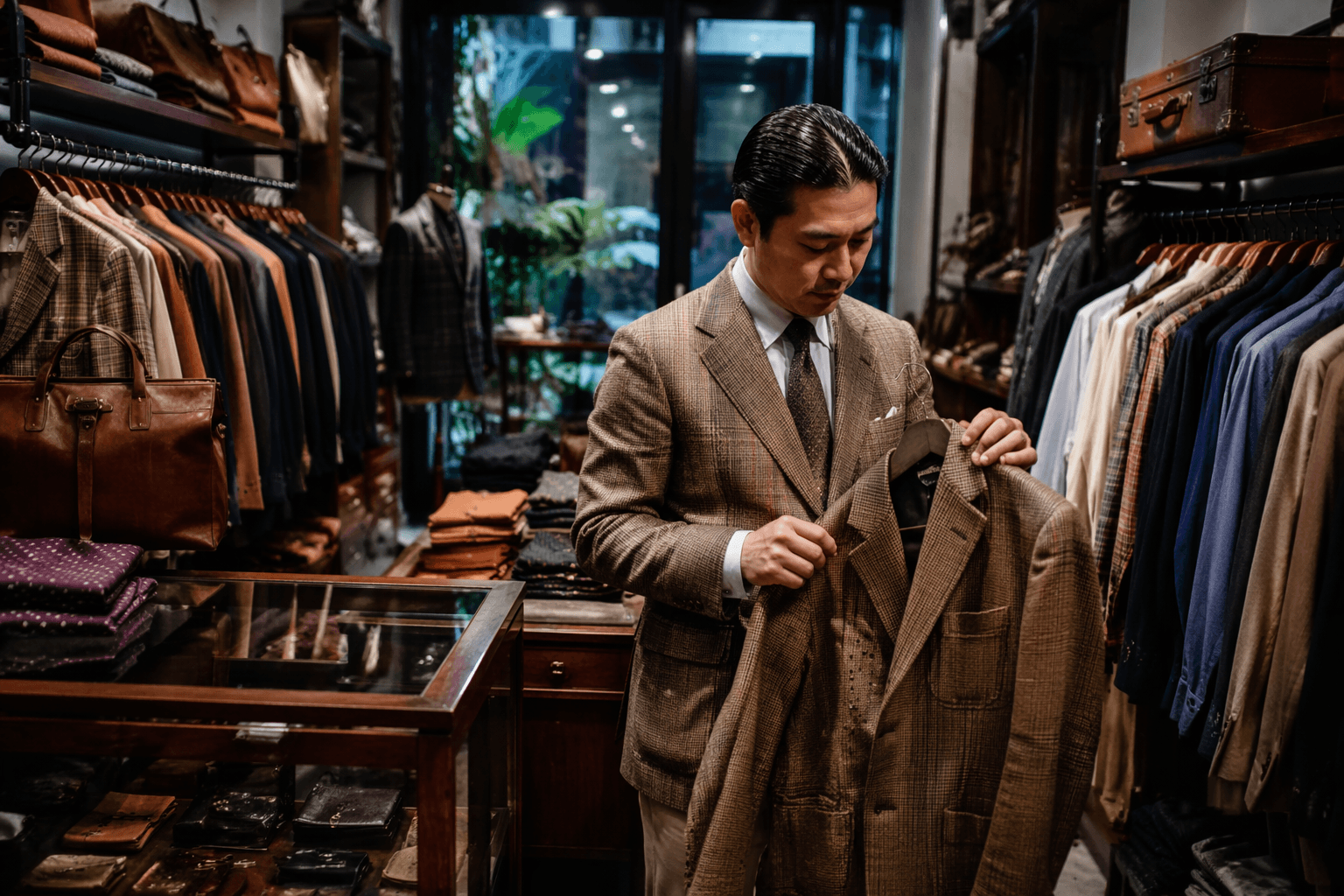
Collector Xiao Neng says he has spent at least $1 million on Ralph Lauren clothing over the past four to five years, and he now sells pieces through two vintage stores he opened in downtown Shanghai. His wardrobe has become part of the brand’s business model in China, where Ralph Lauren is drawing not just buyers but collectors, resellers and shoppers looking for heritage with a softer price point than the highest-end luxury houses.
That appetite helped drive a sales jump of more than 50% in China in Ralph Lauren’s fiscal fourth quarter ended March 28, 2026. The company said Asia rose 28% in constant currency in the same period, and full-year fiscal 2026 revenue topped $8 billion for the first time in company history.
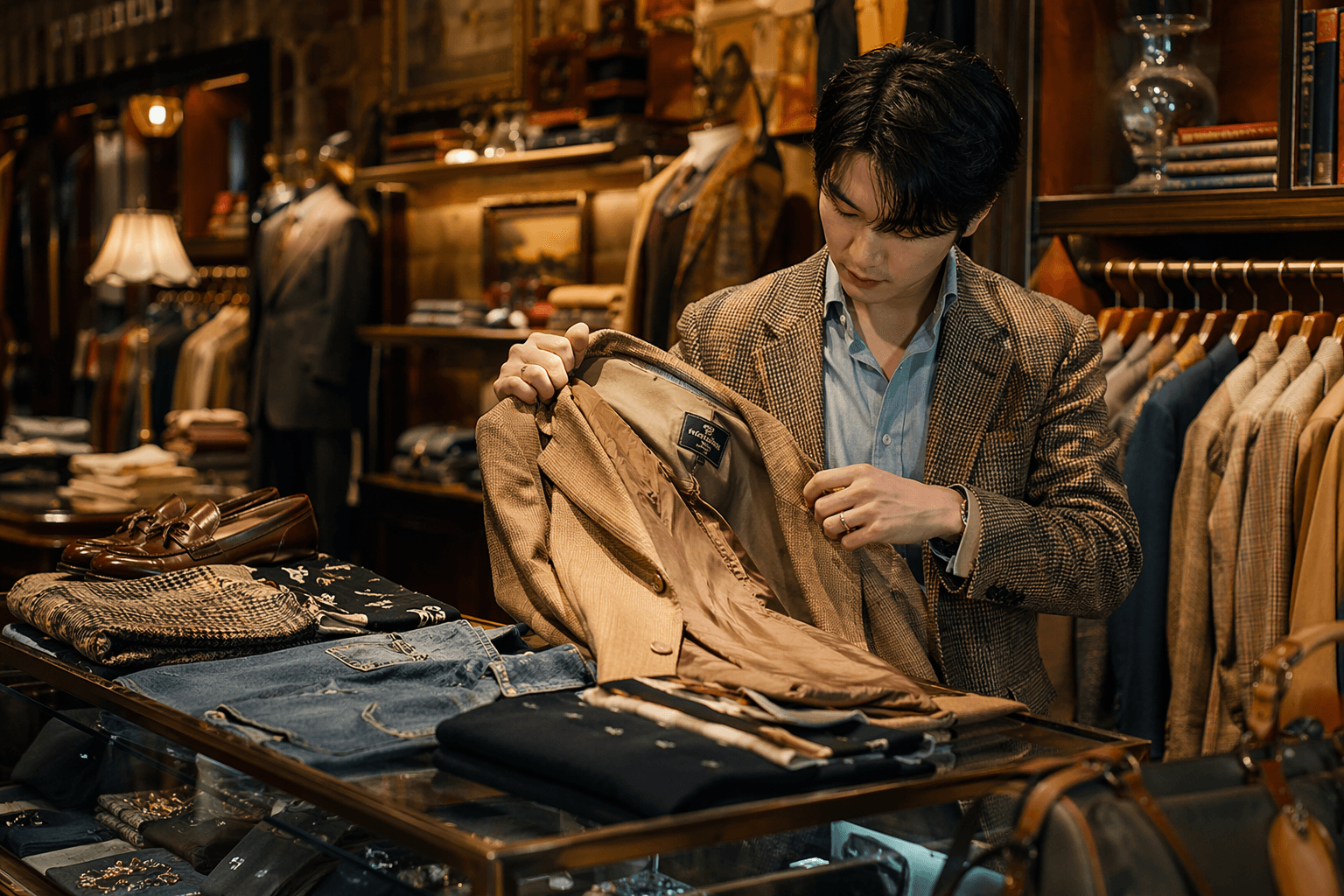
Ralph Lauren’s China network has expanded to about 250 stores, while the company opened 108 new owned and partner stores globally in fiscal 2026. In China, management has kept the pace selective, focusing on major cities and local marketing rather than a broad push for mass distribution. The brand’s recent campaigns leaned into Lunar New Year spending, with activity on WeChat and a drone show in Shenzhen designed to fit Chinese New Year celebrations and local digital habits.
The formula is working in a market where many shoppers remain cautious. Bain & Company said China’s personal luxury market is expected to return to modest growth in 2026, but recovery remains fragile and uneven after a 3% to 5% contraction in 2025 and a much steeper decline of 17% to 19% in 2024. Weak consumer confidence, a prolonged property downturn and pressure on jobs and income growth have kept the wider luxury market subdued.
Ralph Lauren has benefited by selling a polished version of the American dream that still feels attainable to Chinese consumers who want status, nostalgia and everyday wearability. The brand is not positioned like the most exclusive European luxury labels; it offers recognizable heritage and a strong resale life, qualities that resonate in a weaker market where value matters more than ever.
Xiao’s two Shanghai vintage stores show how that demand now extends beyond first purchase. For Ralph Lauren, the secondary market has become part of the brand’s appeal, reinforcing scarcity, signaling cultural cachet and keeping the label visible in China’s collector economy even as the broader luxury cycle stays uneven.
This article was produced by Prism’s automated news system from verified source data, official records, and press releases, then run through automated quality and moderation checks before publishing. The system is built and supervised by the people who set the standards it runs under. Read our full AI policy.
Did this article answer your question?

