Ramaphosa seeks court halt to impeachment over Farmgate scandal
Ramaphosa asked a South African court to freeze impeachment proceedings as the Phala Phala case returned, sharpening a test of presidential power and parliamentary oversight.
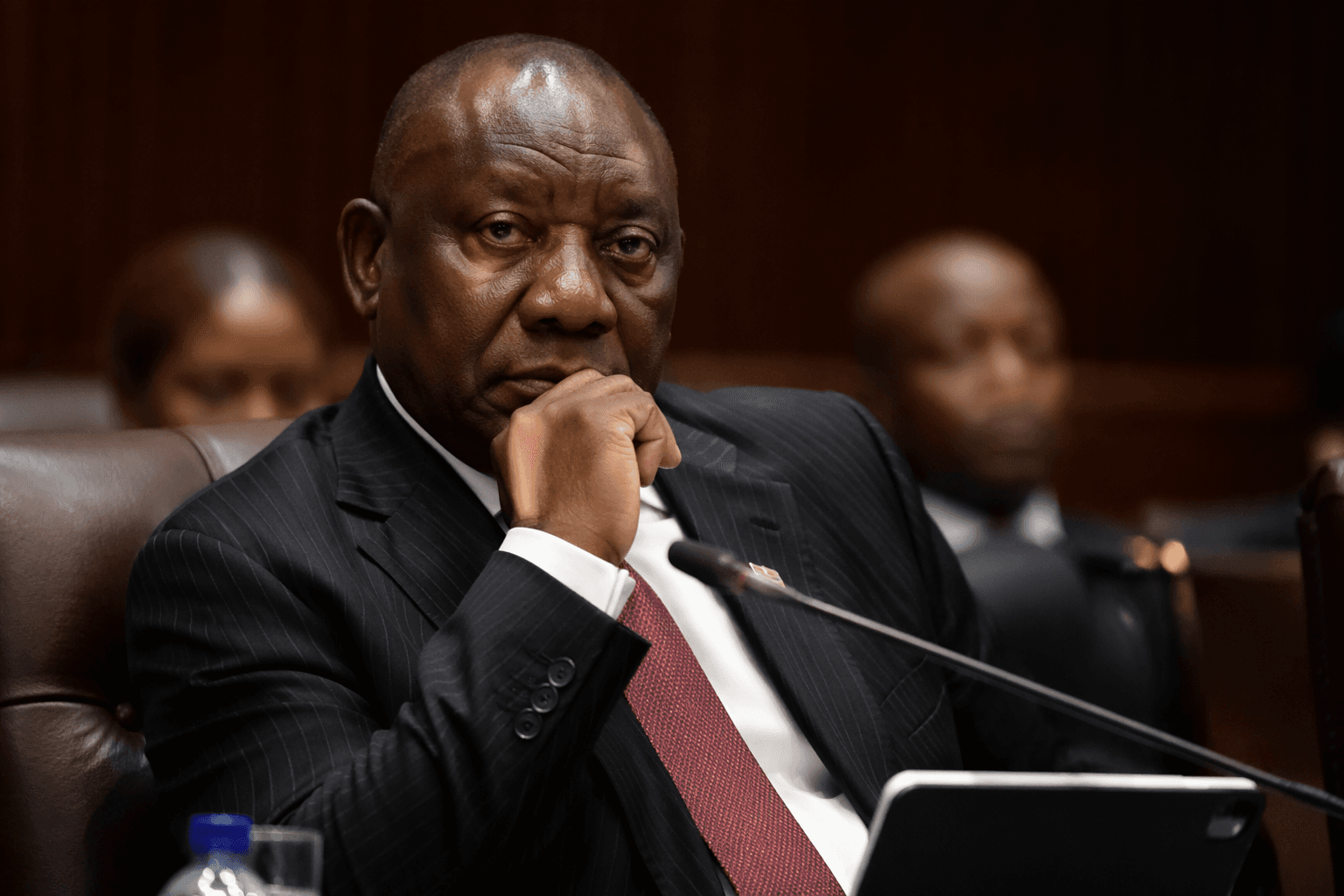
Cyril Ramaphosa moved to stop South Africa’s impeachment machinery from advancing, asking the Western Cape High Court to pause a parliamentary inquiry tied to the Phala Phala cash scandal. The bid puts the presidency, Parliament and the judiciary on a collision course over whether a sitting head of state can hold off scrutiny while he fights the underlying findings in court.
In papers filed on Friday, June 12, Ramaphosa sought to block the impeachment process until judges first hear his separate challenge to an independent panel’s report. That report, led by former chief justice Sandile Ngcobo, found prima facie evidence that Ramaphosa may have committed serious violations, including failing to report the theft of cash from his farm to police and possibly breaching anti-corruption rules. The high court is scheduled to hear that review bid from September 2 to 4, 2026.
The scandal centers on money stolen in February 2020 from a sofa at Phala Phala, Ramaphosa’s private game farm in Limpopo near Bela-Bela. Ramaphosa has said the cash amounted to $580,000 and came from the sale of buffaloes. The episode has fueled years of questions about why so much money was hidden in furniture and whether it was properly declared, turning a burglary into a deeper test of state accountability.
The political and constitutional stakes widened after former intelligence chief Arthur Fraser laid a criminal complaint in June 2022, alleging a cover-up. Parliament’s first attempt to halt impeachment was later undone when the Constitutional Court ruled in May 2026 that the National Assembly’s December 13, 2022 vote to block the process was unconstitutional and invalid. Parliament has now formed an impeachment committee to proceed.

Ramaphosa, who has been president since 2018 and is serving a second term running to 2029, came to office promising to fight corruption and repair the image of the African National Congress. That pledge now hangs over a case that has become more than a personal scandal: it is a stress test of whether South Africa’s institutions can investigate a president without being stalled by the presidency itself.
This article was produced by Prism’s automated news system from verified source data, official records, and press releases, then run through automated quality and moderation checks before publishing. The system is built and supervised by the people who set the standards it runs under. Read our full AI policy.
Did this article answer your question?