Rare House expulsions loom over misconduct allegations, but majority stays unchanged
Two members are heading out before expulsion votes, leaving the House balance unchanged even as rare punishments gather momentum.
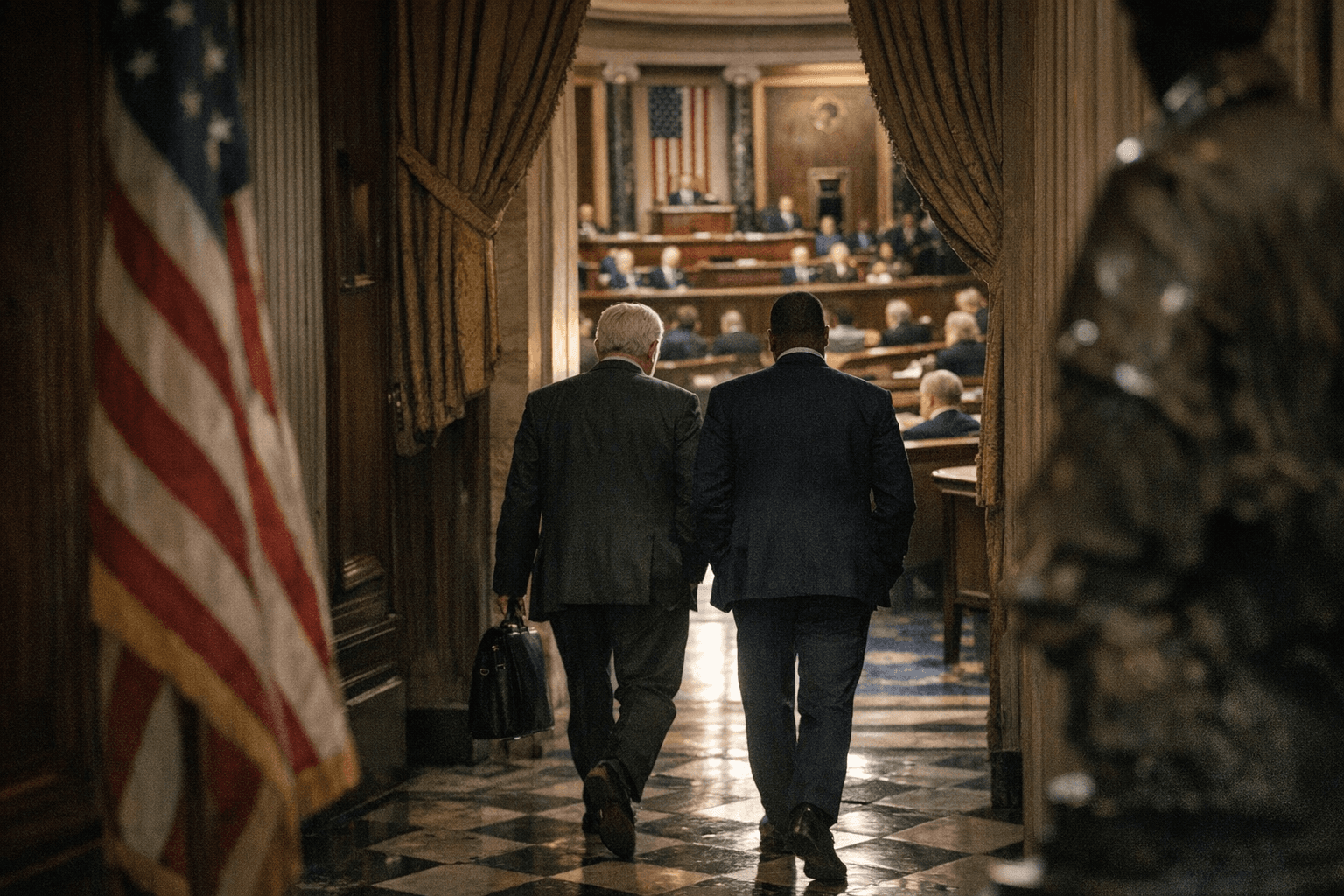
The House is facing one of its rarest and sharpest disciplinary tools, but two departures, one Democrat and one Republican, are set to leave the chamber’s razor-thin majority unchanged. Eric Swalwell of California and Tony Gonzales of Texas are both leaving before the end of the current term, a move that could spare the House from a floor fight over expulsion while misconduct allegations continue to shadow both men.
Expulsion is the most severe punishment the House can impose, above censure and reprimand, and it takes a two-thirds vote of members present and voting. That threshold has helped keep the penalty exceptional. Congressional Research Service records show that 20 members of Congress have ever been expelled, 5 from the House and 15 from the Senate. House history says most of the expulsions came during the Civil War era for disloyalty, while the two most recent House expulsions were tied to corruption convictions, including former Rep. George Santos in 2023.
The current push is coming from both parties. Rep. Anna Paulina Luna, R-Fla., said she would move to expel Swalwell, while Rep. Teresa Leger Fernandez, D-N.M., said she would introduce a resolution targeting Gonzales. Rep. Byron Donalds, R-Fla., said he would vote yes on both measures if they reached the floor. The House Ethics Committee also opened an investigation into the allegations against Swalwell.
Neither Swalwell nor Gonzales is seeking another term, so neither will be in Congress next year. Swalwell had been running for governor of California before suspending that campaign. Gonzales had already said he would not seek reelection, and he admitted in March 2026 to an affair with a staffer who later died by suicide. Both men have denied the claims against them.
That combination of scandal, resignation-by-exit and partisan calculation has made the moment unusual even by Congress’s already limited standards for discipline. A failed expulsion vote would leave a stain. A successful one would be even more extraordinary, reserved for a chamber that has used the penalty only in the most extreme cases. For now, the departures appear to remove the immediate need for members to decide whether to inflict the House’s harshest punishment on two lawmakers already on their way out.
This article was produced by Prism’s automated news system from verified source data, official records, and press releases, then run through automated quality and moderation checks before publishing. The system is built and supervised by the people who set the standards it runs under. Read our full AI policy.
Know something we missed? Have a correction or additional information?
Submit a Tip