Raspberry Pi lifts profit forecast on AI-driven chip demand
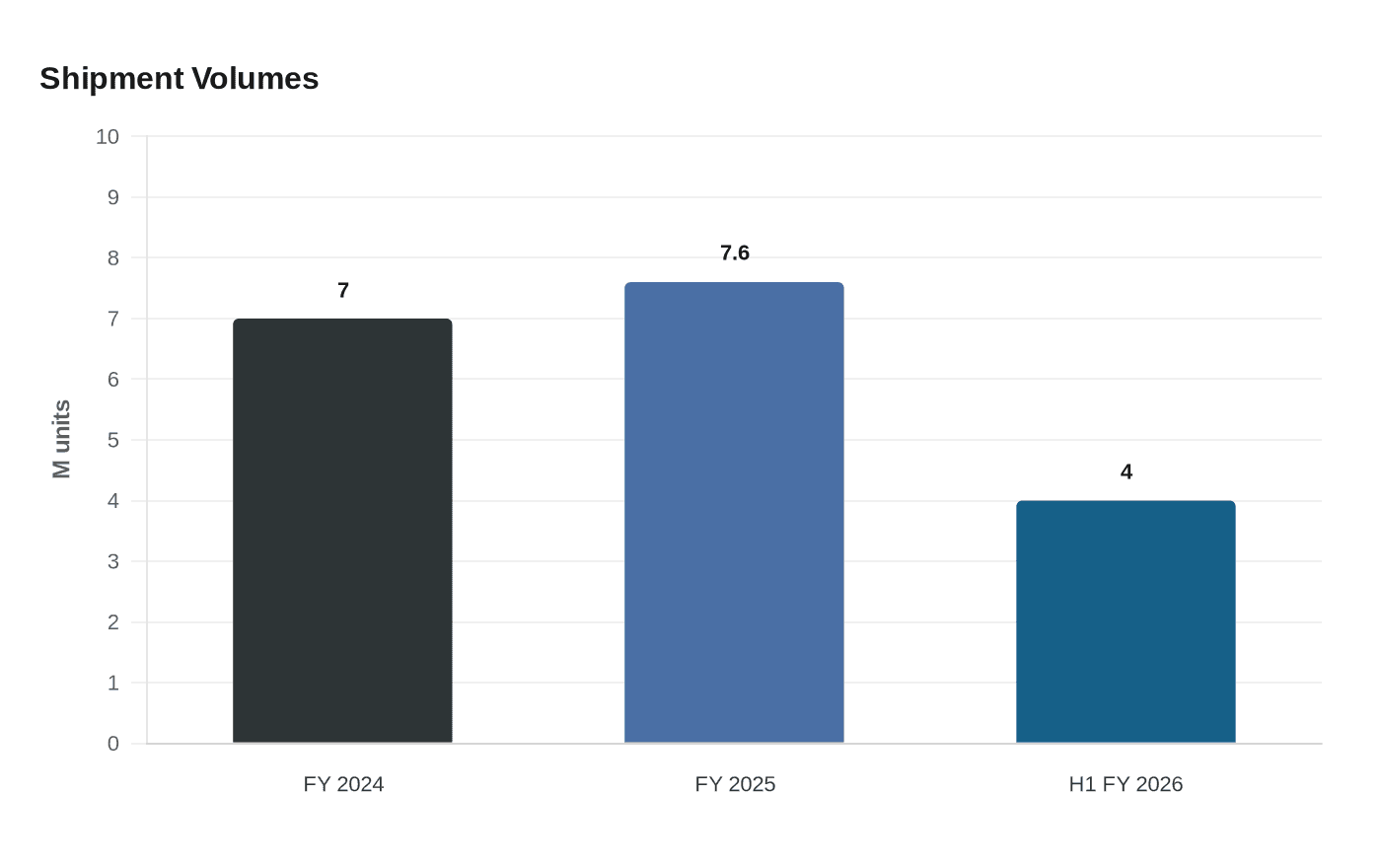
Raspberry Pi raised its profit outlook after first-half shipments topped 4 million, a sign AI demand is spilling into edge devices and memory. The company is buying DRAM early to secure supply.
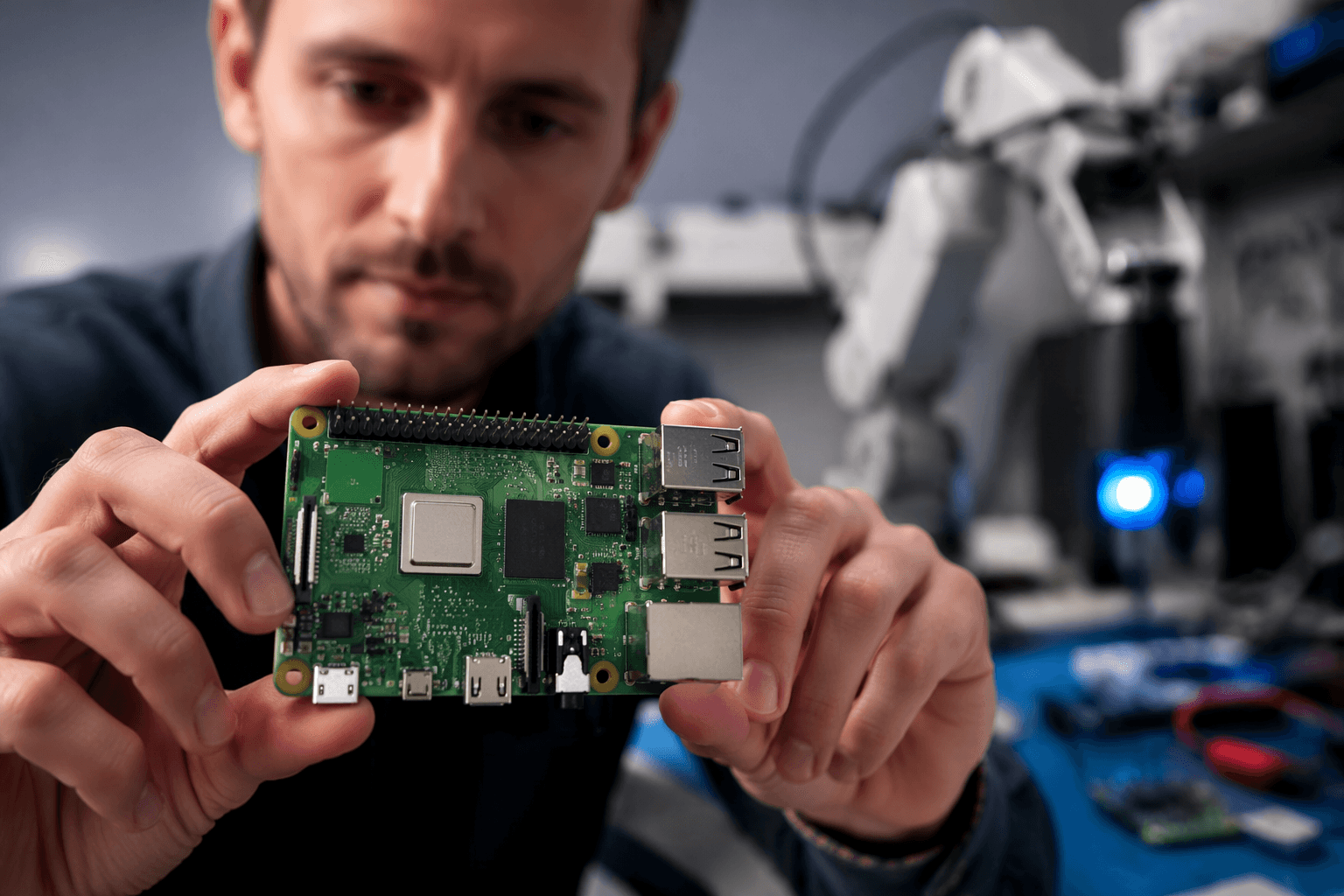
Raspberry Pi’s brighter profit outlook points to an AI boom that is reaching far beyond the obvious chip leaders. The single-board computer maker said first-half shipments were set to exceed 4 million units and adjusted EBITDA to reach at least $38 million, a sharp signal that developers, edge devices and experimentation hardware are absorbing more of the spending wave.
The company said first-half profitability in FY 2026 would be materially ahead of the comparable period a year earlier, helped by continued growth in unit volumes, a better product mix and low-density DRAM inventory accumulated during FY 2025. It also said consensus FY 2026 adjusted EBITDA expectations stood at $42.0 million as of June 4, putting its new outlook comfortably above market estimates.
That strength comes with a warning. Raspberry Pi said unit economics would moderate in the second half as cheaper memory stock is depleted, and it said DRAM and non-volatile memory pricing and availability remain challenging. To protect production, the company said it expects to use debt facilities during FY 2026 for strategic memory purchases, a move that shows how seriously it is treating supply security in a market tightened by AI-related demand.
The latest update builds on a strong FY 2025, when revenue rose 25% to $323.2 million and adjusted EBITDA increased 25% to $46.4 million. Unit shipments reached 7.6 million, up 9% from 7.0 million in FY 2024, while demand strengthened across OEMs and authorized resellers, with especially strong sales in the United States and China. For the first time, semiconductor device volumes overtook board and module volumes, with 8.4 million semiconductor units sold.

Raspberry Pi has been repositioning itself for that shift. The company, founded in 2012 and headquartered in Cambridge, said its post-year-end AI HAT+2 product lets customers run advanced AI applications, including large language models and vision language models. That matters because it ties the brand to edge AI deployment rather than only the classroom and maker market that defined its early years.
The company said it has more than 1,300 active OEM relationships and over 100 approved resellers and licensees, with a total addressable market of $21 billion across industrial, embedded, enthusiast and educational computing. Its latest profit forecast suggests that AI is no longer only lifting the biggest semiconductor names. It is also reshaping the economics of the smaller platforms that developers, industrial users and embedded-device makers rely on next.
This article was produced by Prism’s automated news system from verified source data, official records, and press releases, then run through automated quality and moderation checks before publishing. The system is built and supervised by the people who set the standards it runs under. Read our full AI policy.
Did this article answer your question?