Ratcliffe meets Cuban officials as island faces fuel crisis
John Ratcliffe’s Havana meeting came as Cuba said it had run out of diesel and fuel oil, deepening blackouts and reviving talk of backchannel diplomacy.
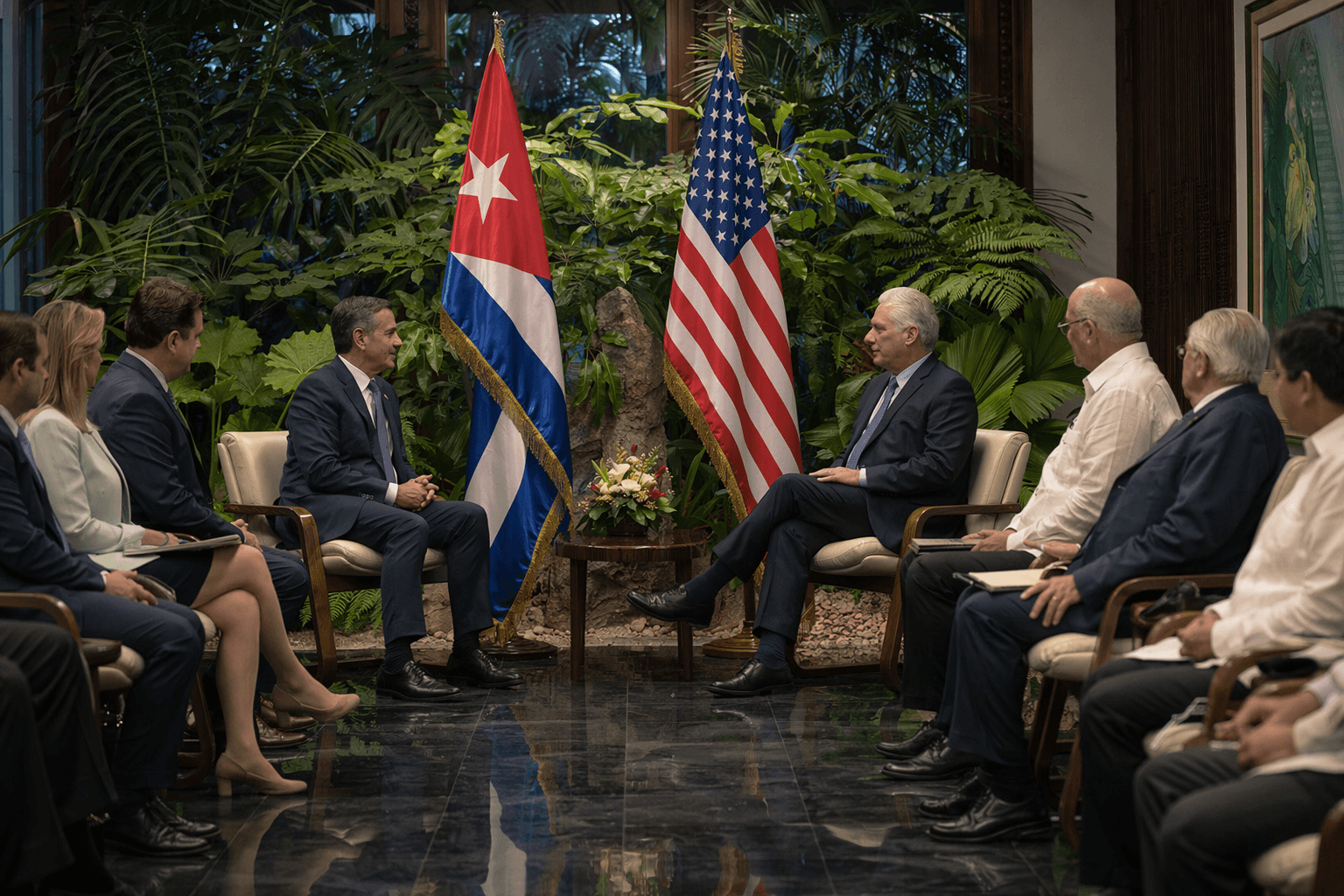
John Ratcliffe’s meeting with Cuban officials in Havana landed at the moment Cuba’s fuel system was buckling. The CIA director sat down with counterparts from Cuba’s Ministry of the Interior on Thursday as the island ran through diesel and fuel oil, a rare public sign of contact between Washington and Havana at a time of acute crisis.
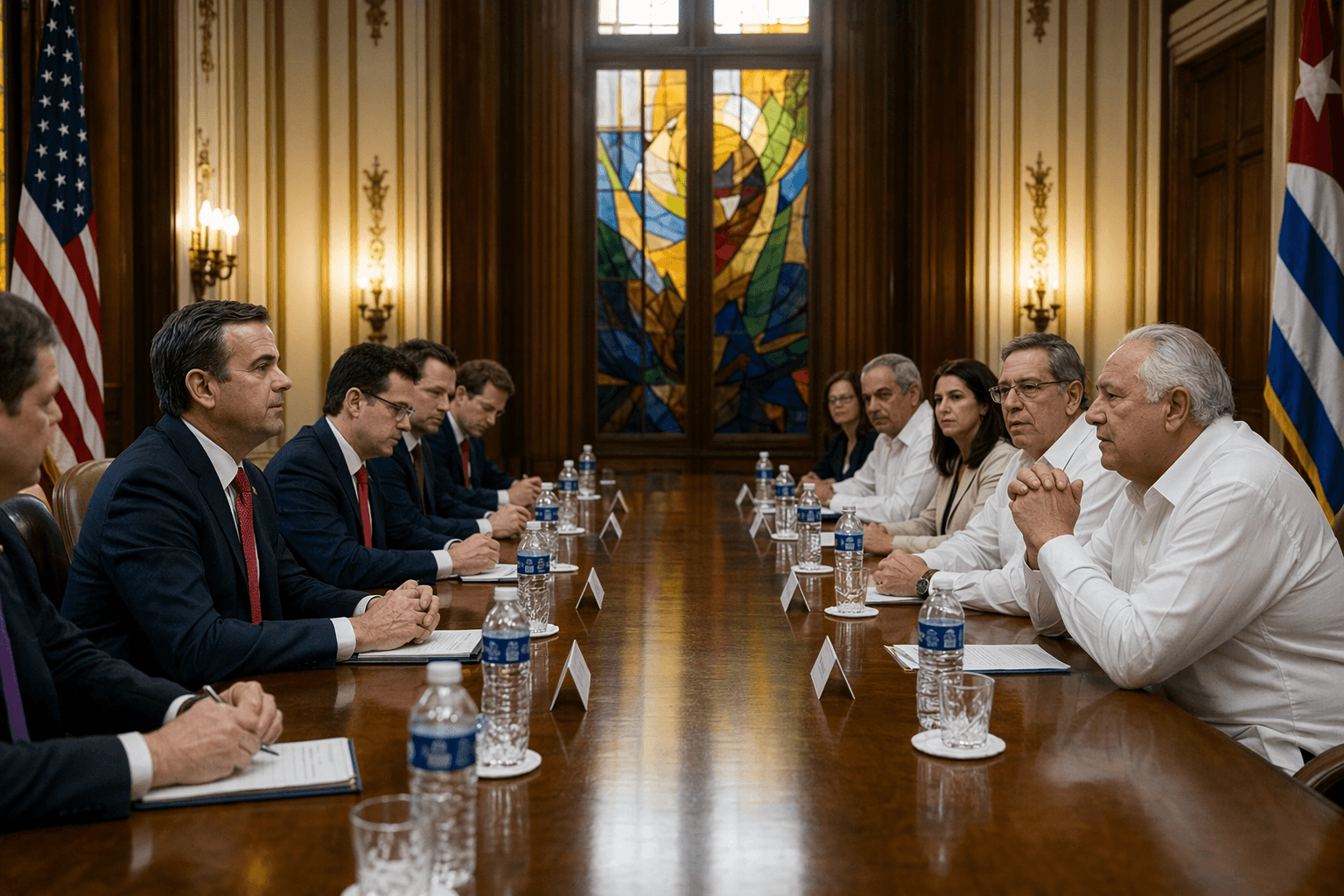
Cuban authorities said the talks were meant to improve dialogue between the two governments. Photos released by Cuban officials showed Ratcliffe meeting with Ramon Romero Curbelo, the chief of intelligence in Cuba’s Interior Ministry, alongside other officials. Reports also said Ratcliffe met with Raúl Guillermo Rodríguez Castro, Raúl Castro’s grandson, a detail that sharpened the sense that the visit reached beyond routine diplomacy and into the most sensitive layers of the Cuban state.
The meeting came as Energy Minister Vicente de la O Levy said on Wednesday, May 14, 2026, that Cuba had completely run out of diesel and fuel oil. He described the national grid as being in a “critical” state, with blackouts in parts of Havana lasting 20 to 22 hours a day. Cuban state media said fuel reserves had dried up, and one report said only one Russian oil tanker had reached the island since the United States tightened fuel restrictions in January 2026.
Washington responded on the same day by renewing a $100 million aid offer to ease the effects of Cuba’s oil blockade. President Miguel Díaz-Canel said lifting the U.S. energy blockade would be simpler than accepting the package, underscoring how the crisis has become tangled in the broader standoff between the two countries. The shortages have also fed unrest, with protests breaking out in Havana as the power cuts worsened and the government warned that public services, including hospitals, were under strain.
The timing has drawn attention well beyond Cuba’s energy crisis. Earlier diplomatic contacts in April already signaled a tentative opening, when U.S. officials met in Havana in what some outlets described as the first U.S. government plane landing in Cuba since 2016. Against that backdrop, Ratcliffe’s visit now looks like more than a narrow intelligence exchange. It may be a humanitarian opening, a quiet backchannel, or a transactional response to migration pressure and regional instability. For Havana, the immediate reality is more severe: a grid on the edge, fuel supplies exhausted, and a government forced to seek relief while its leverage shrinks.
Know something we missed? Have a correction or additional information?
Submit a Tip