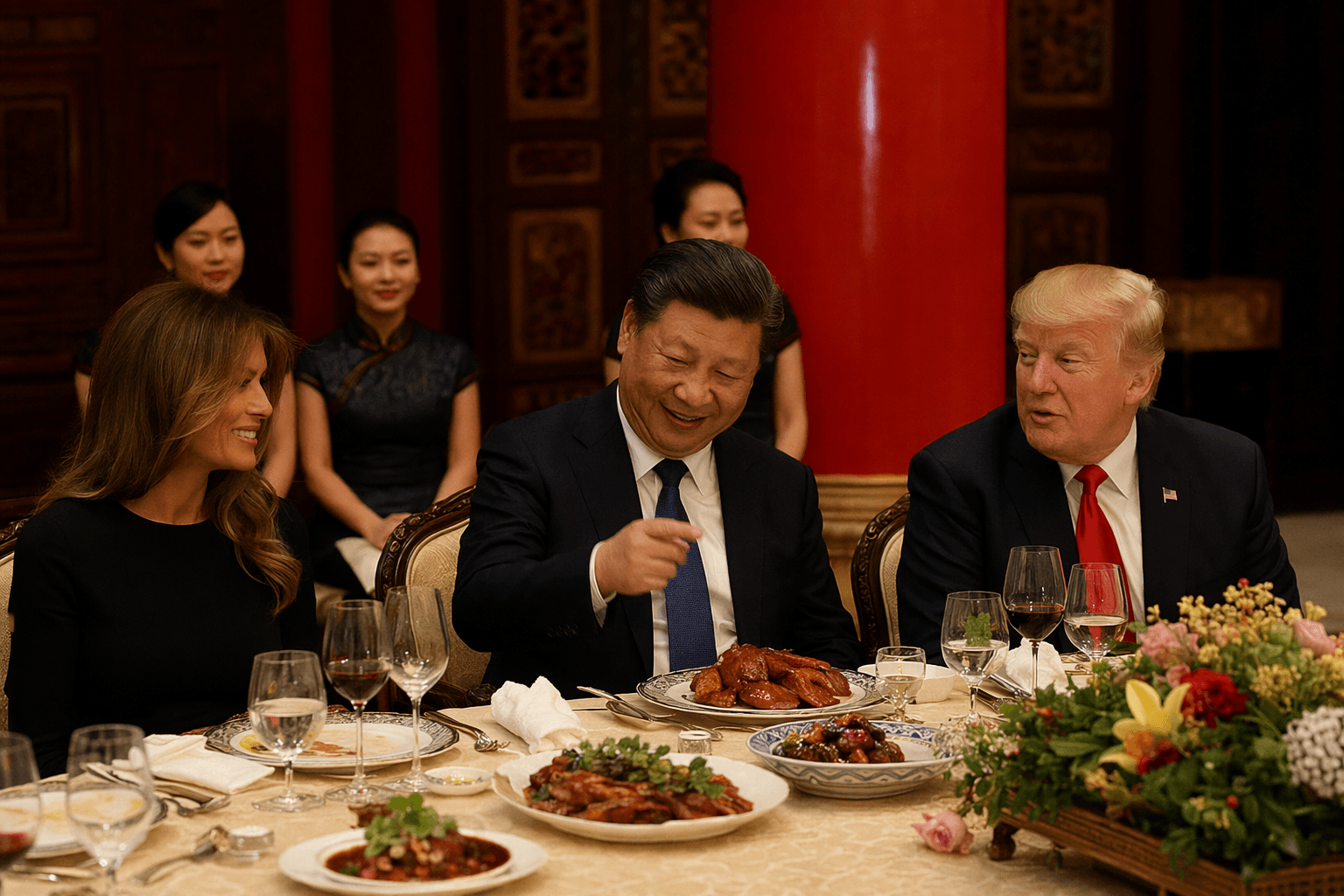
Xi and Trump seek fragile trade and Taiwan deal in Beijing
Beijing’s Xi-Trump summit turned on narrow red lines: trade relief, Hormuz access and Taiwan, with neither leader able to look weak at home.

Symbolism filled Beijing, but the real test for Xi Jinping and Donald Trump was far narrower: whether the two leaders could extract enough on trade, Taiwan and regional security to claim progress without crossing the lines neither side could sell at home.
The meeting, held in mid-May 2026, was the first between Trump and Xi since October and Trump’s first trip to China since 2017. It came after months of tariff escalation and Chinese restrictions on rare earth exports, leaving the talks anchored in a fragile trade truce rather than a durable reset. Trump entered the discussions looking for economic wins and, in his words, to "open up" China to U.S. industry.
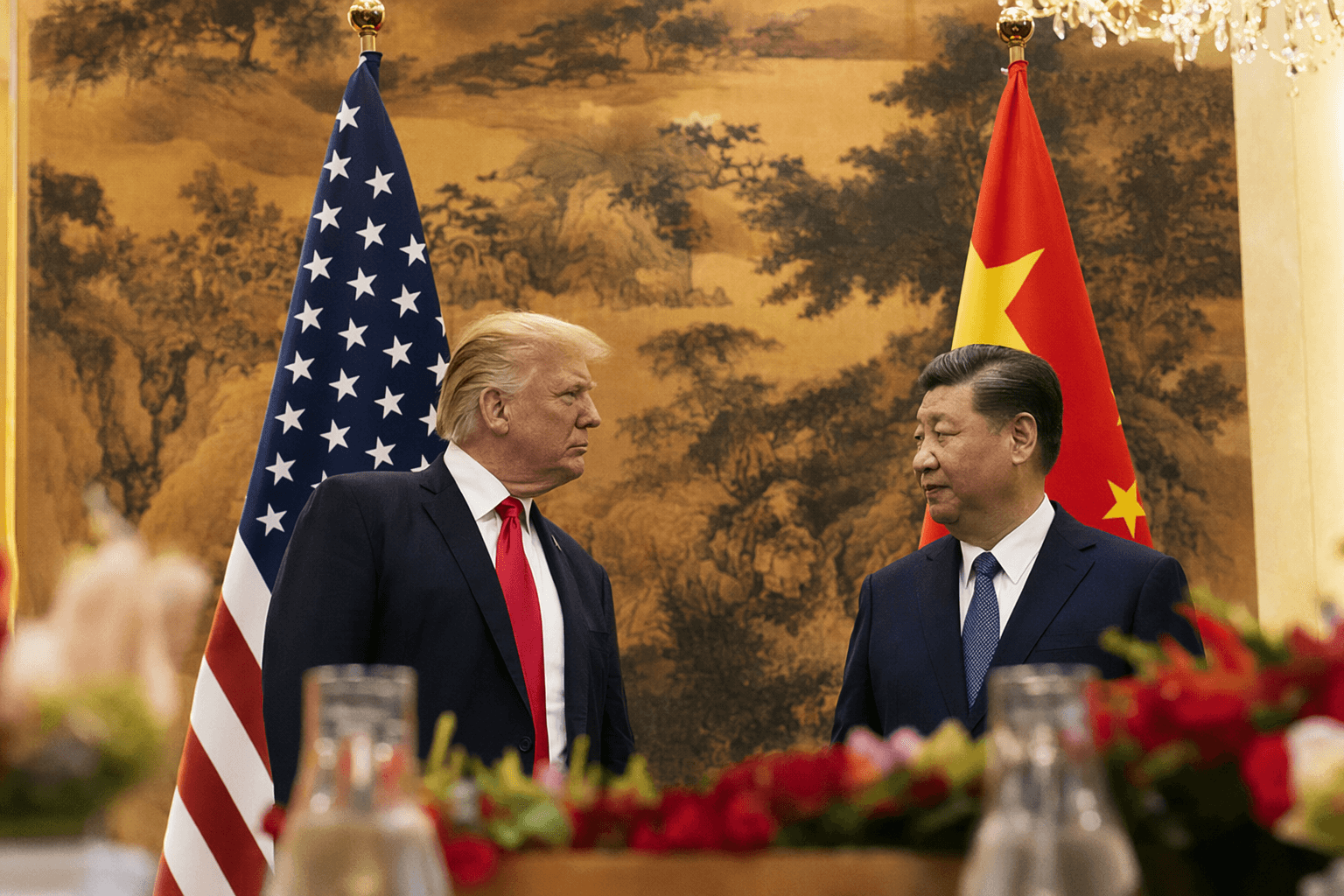
For Washington, the agenda was bluntly transactional. Reuters reported that the issues on the table included trade, tariffs, rare earths, the Iran war and Taiwan. The White House said Trump and Xi agreed the Strait of Hormuz must remain open, a sign that crisis management in the Middle East had become part of the package. But the summit’s economic value was likely to be measured less by grand bargains than by whether it stabilized trade and investment long enough to avoid a fresh escalation.
Beijing had its own domestic red lines. Xi has described Taiwan as the most important issue in China-U.S. relations and warned Trump that mishandling it could put the relationship in "great jeopardy." That warning underscored a basic constraint: Xi needed to show firmness on sovereignty without triggering a broader rupture that would threaten China’s economic and strategic interests. On Taiwan, as on trade, Beijing was seeking stability and progress, not concessions that would look like retreat.
That is why analysts at the Center for Strategic and International Studies cast the summit’s likely success in limited terms. Henrietta Levin and other CSIS experts said the most realistic outcome was a set of temporary deals or stabilizing steps on trade, investment and crisis management, rather than a breakthrough on the core strategic disputes. In other words, the meeting was less about solving the U.S.-China rivalry than about keeping it from breaking into open confrontation.
Know something we missed? Have a correction or additional information?
Submit a Tip