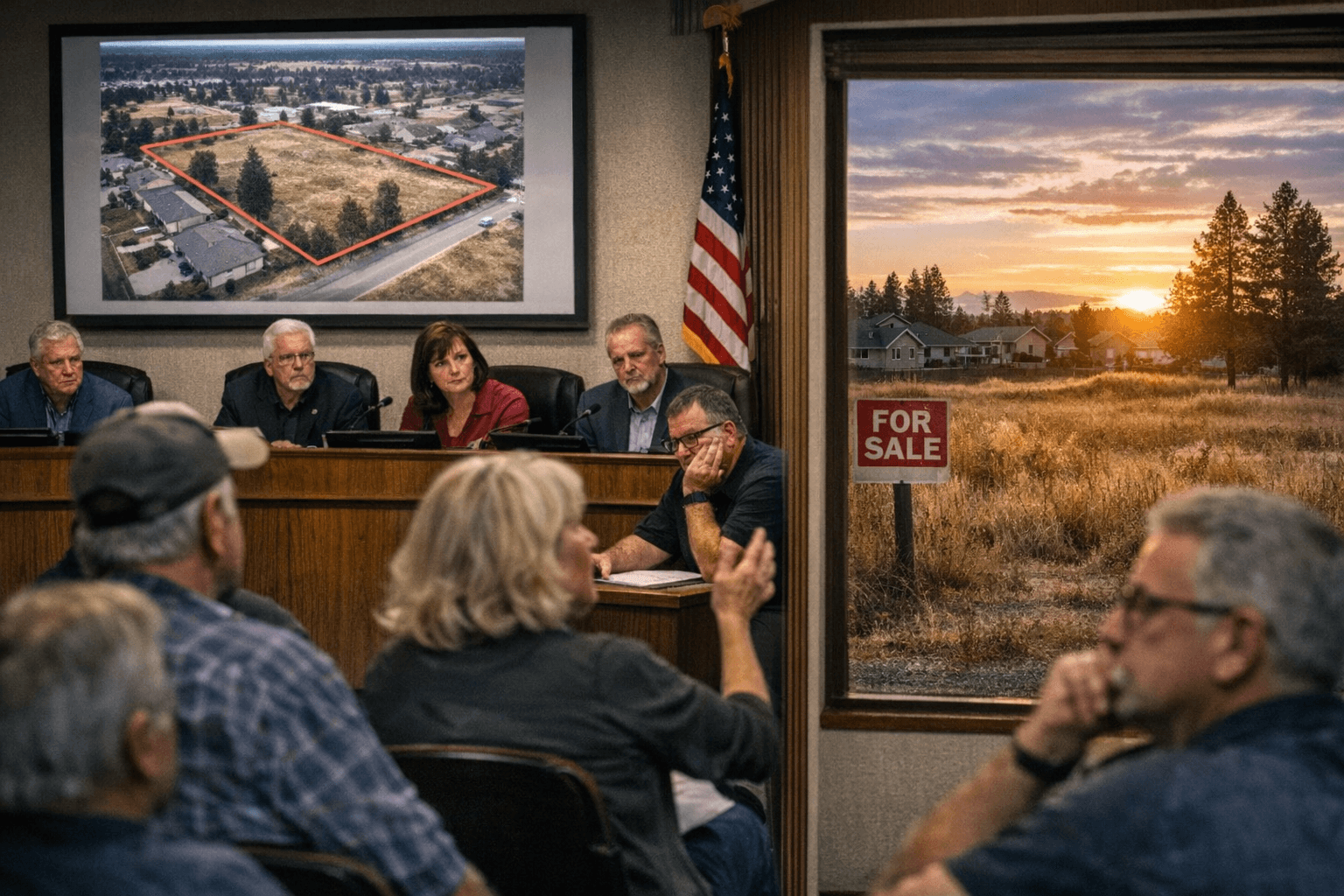
Raybould introduces constitutional amendment shifting public lands stewardship from long-term financial return
Rep. Britt Raybould introduced a constitutional amendment resolution to shift stewardship of state endowment and public lands away from a mandate to "secure the maximum long-term financial return."
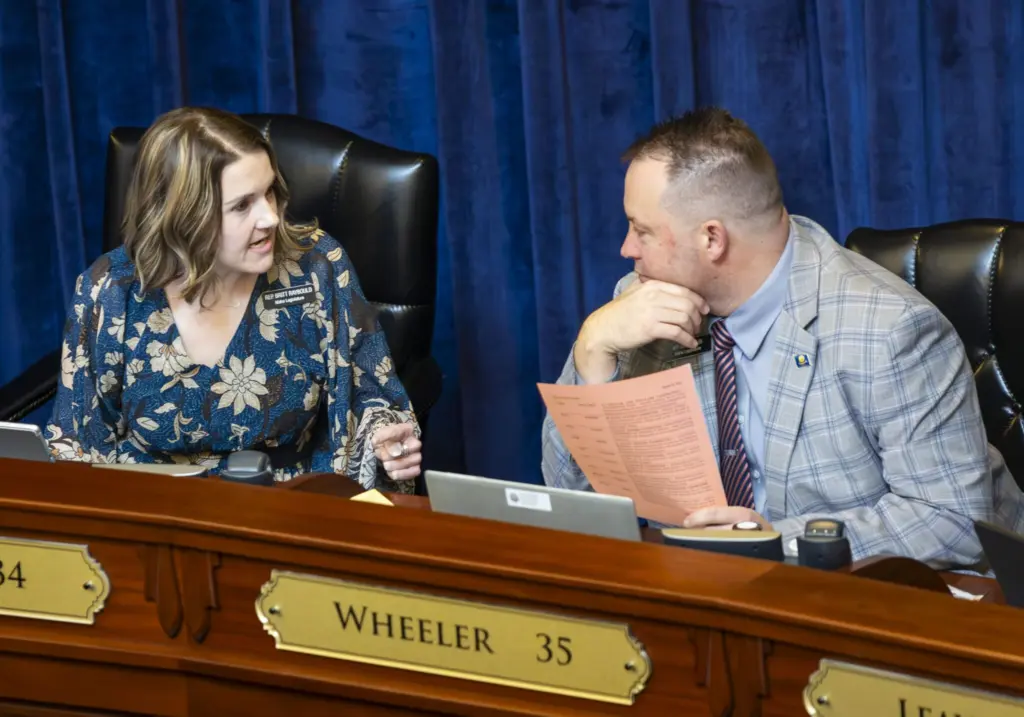
Rep. Britt Raybould (R‑Rexburg) introduced a constitutional amendment resolution that was reported Feb. 5, 2026 and would alter Idaho’s constitutional direction for state endowment and public lands away from a strict mandate to "secure the maximum long-term financial return." The measure was introduced before the House State Affairs Committee on Wednesday, according to initial reports.
BOISE - The resolution, described as a constitutional amendment resolution in initial reporting, signals a possible change in the fundamental standard guiding management of state endowment and public lands. The phrase targeted in the filing appears in the state constitution as the guiding mandate for how those lands and endowment assets are managed; the proposal would move policy away from the current formulation that emphasizes maximizing long-term financial return.
The immediate public record provided to date is limited. Press reports indicate the introduction before the House State Affairs Committee, and the sponsor and reported date are on the public record, but the full text of the resolution, any assigned bill number, the list of co-sponsors and details of committee action have not been published in the initial fragments made available. It is not clear from available material whether the amendment would be a legislatively referred constitutional amendment requiring voter approval or how administrative implementation would follow if the measure advanced.
For Kootenai County residents the proposal matters because it addresses the statutory and constitutional priorities that shape how state lands are managed across Idaho. A shift away from an explicit financial-maximization mandate could change how managers weigh revenue generation against other goals such as recreation access, wildlife habitat, wildfire resilience, and other stewardship objectives. Those potential shifts would affect local land users, businesses that rely on access to public lands, and residents who value outdoor recreation and working landscapes in North Idaho.

Procedurally, the next publicly recorded step identified in current reports is consideration before the House State Affairs Committee. Beyond that, the path for a constitutional amendment typically includes further committee work, possible floor action and, if referred to the people, a ballot process. The precise timeline, full amendment language and statements of rationale from Rep. Britt Raybould have not been included in the initial reports.
The coming days should clarify the resolution’s text, committee record and which stakeholders will weigh in. Kootenai County residents concerned about public lands management and the balance between revenue and other stewardship goals will want to track House State Affairs Committee notices and request the full resolution language to assess concrete local effects.
Sources:
Know something we missed? Have a correction or additional information?
Submit a Tip