Reagan National Airport Hit by Widespread Delays, Cancellations Stranding Thousands
A cascade of 196 delays and 15 cancellations hit Reagan National Airport in early April, stranding thousands as Easter weekend traffic collided with FAA flow-control measures and ATC staffing shortfalls.
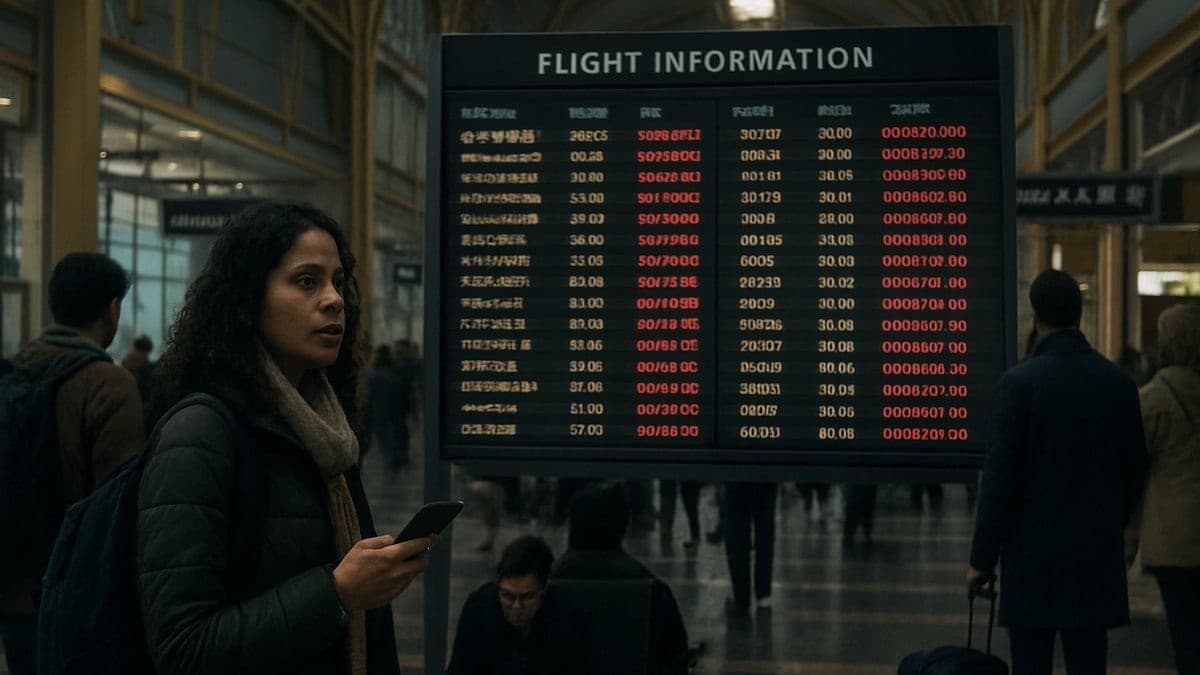
Ronald Reagan Washington National Airport absorbed one of its most disruptive stretches of the spring travel season, logging 196 delays and 15 cancellations as Easter weekend traffic collided with cascading weather systems, Federal Aviation Administration flow-control measures, and a national air network running with almost no slack to absorb the shock.
The disruption at DCA did not arrive in isolation. On April 4, the national aviation system recorded roughly 460 cancellations and 5,500 delays, driven largely by thunderstorms tracking across Texas and the Southeast and low ceilings settling over the Mid-Atlantic. When storms hit Chicago, the ripple moved east fast: American Airlines, which operates a dense connection bank at Reagan National, bore the heaviest volume of affected flights. Delta, United, Southwest, PSA Airlines and Republic Airways all recorded significant delay counts on routes linking Washington to New York, Boston, Charlotte and Miami.
The mechanics of the breakdown follow a predictable but punishing sequence. The FAA's traffic management unit imposed flow-control measures at DCA to prevent unsafe congestion in the constrained airspace surrounding the capital, throttling arrival rates and triggering a queue of inbound aircraft stretched across hundreds of miles. Average delay times pushed past 100 minutes at the height of the disruption. Aircraft that were supposed to arrive, turn around, and depart again sat waiting, which meant outbound passengers faced rolling delay notifications and crowded terminals with no clear end in sight. PSA Airlines, operating as American Eagle on short-haul East Coast routes into DCA's connection banks, and Republic Airways were among the regional carriers most directly sacrificed when slot discipline tightened and mainline connections had to be protected.
The structural problem is one the industry has revisited repeatedly without resolution. Airlines entered April 2026 with schedules built to near pre-pandemic intensity, leaving almost no buffer for localized disruptions to be absorbed before they metastasize across the network. Air traffic control staffing, meanwhile, has remained below optimal levels, compelling the FAA to use proactive management measures, including ground delays and stops, that effectively ration runway access at high-density airports like DCA. When those two conditions, full schedules and constrained ATC resources, meet a weather event, the result is systemic rather than isolated.
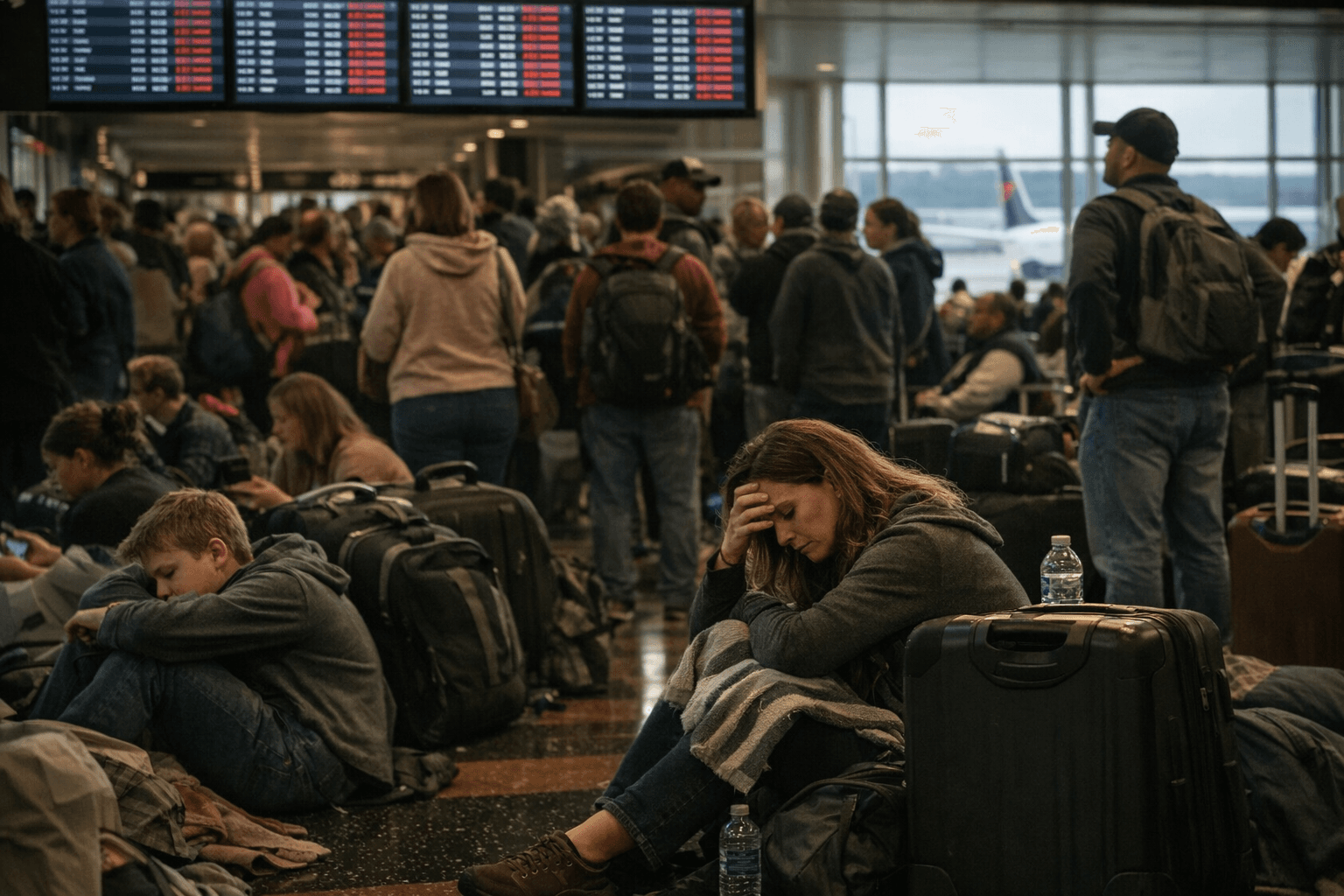
For passengers caught in the wave, the immediate recourse was to contact their carrier directly. Airlines including American issued re-accommodation notices and, where disruptions extended into overnight stays, waived change fees and provided hotel vouchers for affected travelers. Passengers whose tickets were purchased on credit cards with travel protection benefits were eligible to file delay or cancellation claims, covering costs for meals and lodging that airlines did not cover voluntarily. DOT regulations require carriers to offer full refunds for canceled flights; travelers who accepted rebooking onto a significantly later departure retain the right to request a refund instead if the new itinerary does not work for them.
The weekend's disruptions at DCA are the latest evidence of a systemic gap between the scheduling ambitions of U.S. airlines and the infrastructure capacity available to support them. Until ATC staffing returns to levels that allow normal flow without protective throttling, airports like Reagan National, slot-constrained and geographically ringed by restricted airspace, will continue to be the first places where the entire system's brittleness becomes visible.
Sources:
Know something we missed? Have a correction or additional information?
Submit a Tip