Records show firm promised to bury negative stories about RFK Jr.
A crisis-P.R. firm accused in the Blake Lively dispute also promised to suppress negative stories about Robert F. Kennedy Jr. as he sought a Cabinet post.
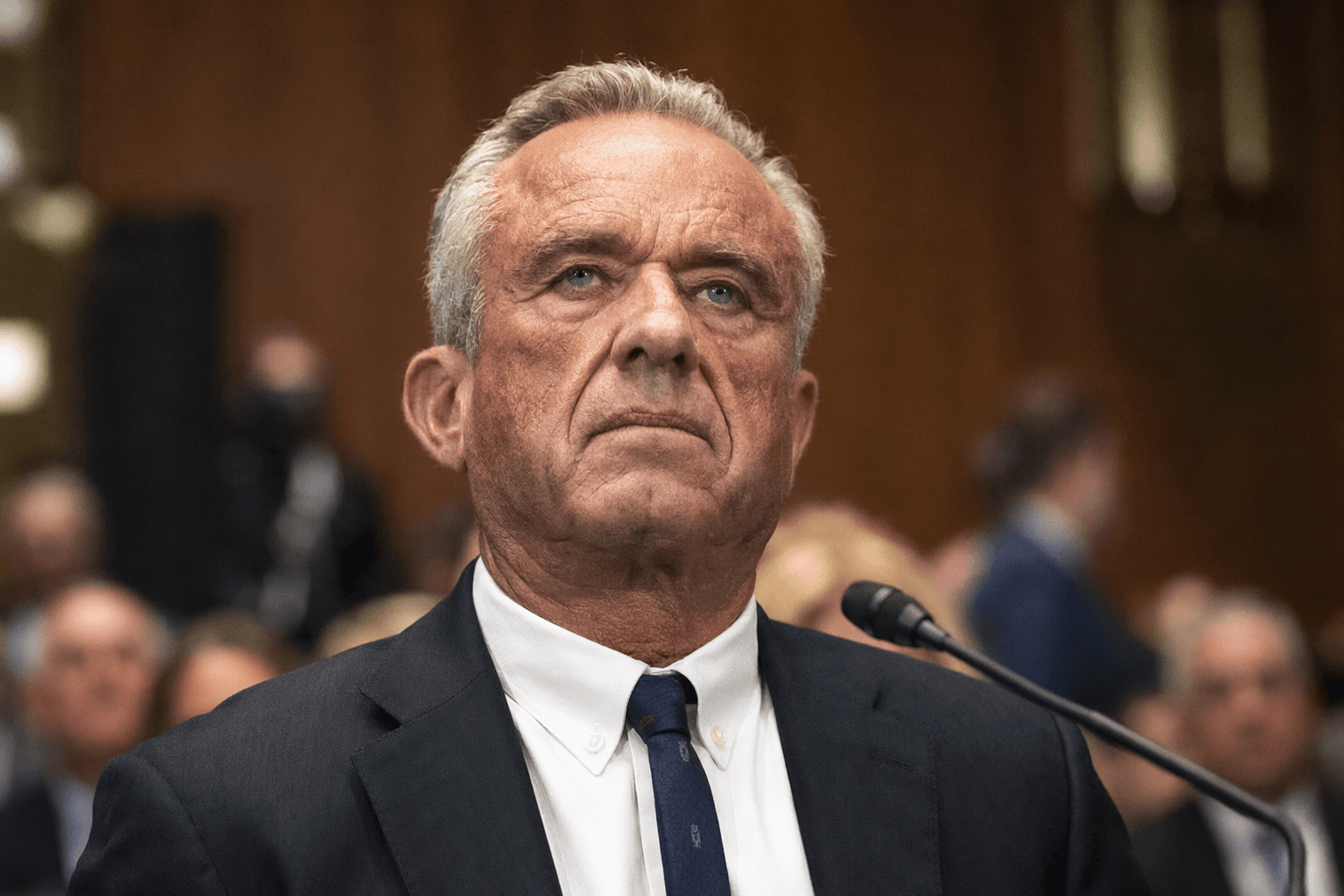
Records show the same New York crisis-communications firm accused of helping fuel a smear campaign against Blake Lively was also linked to efforts to bury damaging stories about Robert F. Kennedy Jr. An associate of the firm promised to suppress negative coverage of Kennedy, adding a new layer to the scrutiny surrounding his rise to become President Donald Trump’s nominee for secretary of Health and Human Services.
The disclosure ties Kennedy’s public-image operation to a firm already under fire in the dispute between Blake Lively and Justin Baldoni, a fight that is moving toward trial in Manhattan federal court on May 18, 2026. It also raises fresh questions about how aggressively political figures seek to manage their image during confirmation battles, especially when the stakes involve the nation’s top public-health post.
Kennedy faced intense criticism throughout his confirmation process over his history of anti-vaccine rhetoric and misinformation. Caroline Kennedy urged senators to reject the nomination, calling him unqualified and pointing to his lack of government, financial-management and medical experience. Those objections carried added weight because the job would put him in charge of the U.S. Department of Health and Human Services, an agency central to vaccine policy, disease prevention and public trust.

The controversy around Kennedy has long extended beyond partisan politics. In August 2024, Kennedy acknowledged that he had dumped a dead bear cub in Central Park in 2014, ending years of speculation about the bizarre episode. That admission, along with his record on vaccines and conspiracy theories, made his communications strategy a subject of unusual public interest as he moved through the nomination process in Washington.
What the records reveal is not just that Kennedy sought help countering criticism, but that he appears to have done so through the same crisis-P.R. machinery now accused of helping target another public figure. For a Cabinet nominee, that is an unusually tangled overlap between political vetting, reputation management and influence operations. It underscores a broader problem in Washington: when access to power depends on controlling the story, transparency can become another casualty.
This article was produced by Prism’s automated news system from verified source data, official records, and press releases, then run through automated quality and moderation checks before publishing. The system is built and supervised by the people who set the standards it runs under. Read our full AI policy.
Did this article answer your question?

