Redistricting fight spreads to state legislatures and local power centers
Redistricting is moving beyond Congress, with new map fights poised to reshape statehouses, school boards and county commissions before the next election cycles.
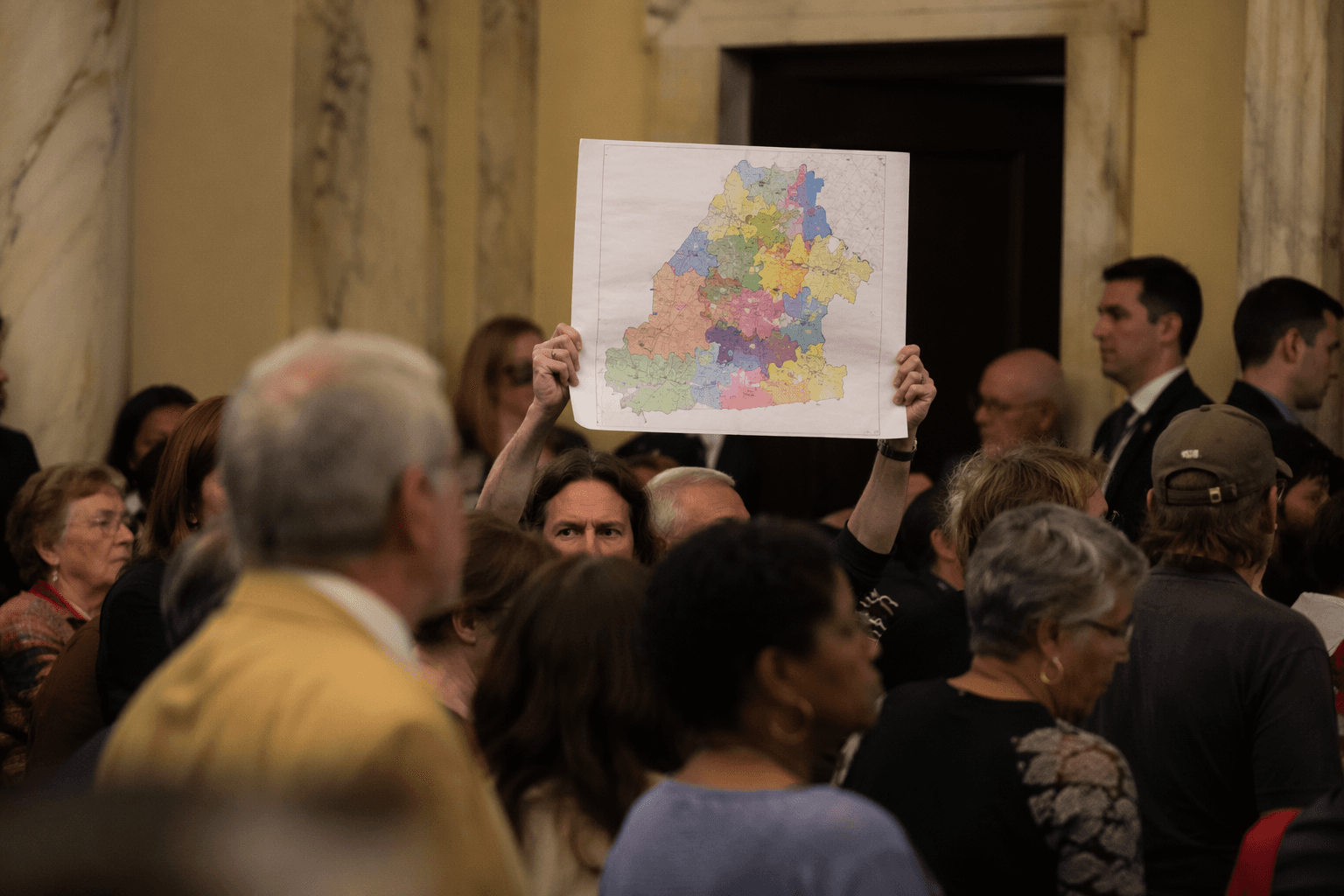
Redistricting is no longer just a fight over House seats. The next round is moving into state legislatures, county commissions, city councils and school boards, where lines on a map can decide who controls tax rates, school spending, housing rules, road repairs and social safety net programs for years.
Georgia is set to become the newest battleground. The Republican-led Georgia General Assembly is scheduled to convene in a special session on June 17, 2026, with redistricting for the 2028 elections at the center of the agenda. Lawmakers could revisit congressional districts, state House and Senate maps, and possibly the state’s utility regulatory commission, extending a fight that has already pushed the state back into court-driven redrawing.
That pressure in Georgia has deep roots. In October 2023, a federal judge ruled that some of the state’s congressional, state Senate and state House districts were racially discriminatory and ordered lawmakers to redraw them. The result is that Georgia, once again, is being forced to revisit political lines that determine not only who goes to Washington, but who shapes the state budget and local government power.
The legal opening widened after the U.S. Supreme Court’s April 29, 2026, decision in Louisiana v. Callais, a 6-3 ruling that left in place a lower-court order blocking Louisiana’s map, which had created a second majority-Black congressional district. That ruling gave other states new arguments for mid-decade changes to districts with large minority populations, even though redistricting has usually been done only once a decade after the census.
The effects are already spreading. Millions of people have been placed in new voting districts ahead of the 2026 midterms, and other states are preparing to follow. New York Democrats advanced a constitutional amendment in June 2026 that would allow mid-decade redistricting in 2028 and beyond, while also stripping anti-gerrymandering language from the state Constitution. In Mississippi, Republicans had considered revisiting legislative maps before the 2027 elections, although a planned special session was canceled in May 2026.
The political stakes reach far beyond congressional control. As Joe Kennedy III of Groundwork Project put it, "The stakes here are not political, they are deeply human." His group works with local organizers in places where the fight is described as one for the survival of democracy, and that is exactly where the battle has landed: in the places where voters feel representation most directly, from classroom funding to county roads to the officials who decide everyday public life.
This article was produced by Prism’s automated news system from verified source data, official records, and press releases, then run through automated quality and moderation checks before publishing. The system is built and supervised by the people who set the standards it runs under. Read our full AI policy.
Know something we missed? Have a correction or additional information?
Submit a Tip