Trump says U.S. could destroy Iran uranium, warns of strikes if talks fail
Trump said the U.S. could destroy Iran’s enriched uranium on-site or after removal, while warning of harsh military action if talks fail.
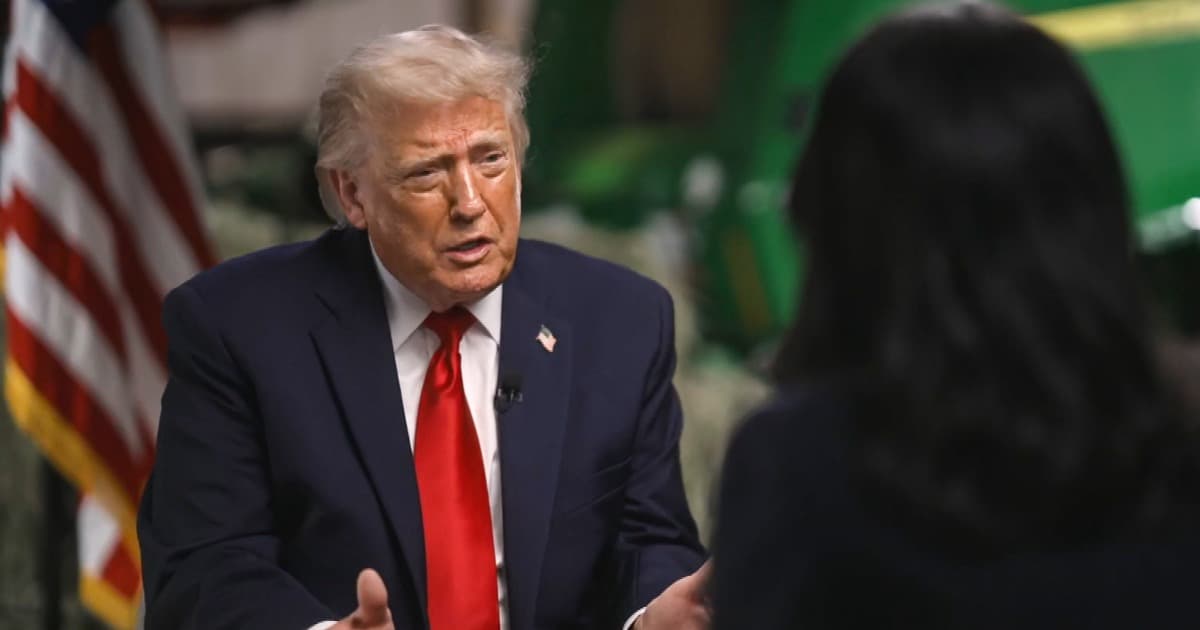
Donald Trump said the United States would work with Iran to retrieve and destroy its highly enriched uranium if a deal is reached, sketching out a bargain that would hinge on locating the stockpile and neutralizing it either “on-site” or after it is removed with U.S. equipment. If negotiations collapse, Trump said the United States would strike Iran militarily “very harshly,” tying the nuclear standoff directly to the threat of wider war and to pressure on oil markets.
The remarks came as Washington and Tehran remained locked in tense talks over Iran’s nuclear program, with the International Atomic Energy Agency still unable to verify the country’s stockpile since the June 13, 2025 airstrikes on nuclear facilities. The agency last confirmed Iran’s inventory of nuclear material shortly before those strikes, including more than 400 kilograms of uranium enriched to 60 percent, a level far beyond civilian reactor needs. Reporting has put that amount at 440.9 kilograms, a quantity some analysts say could be enough, if further enriched, for roughly 10 nuclear weapons.
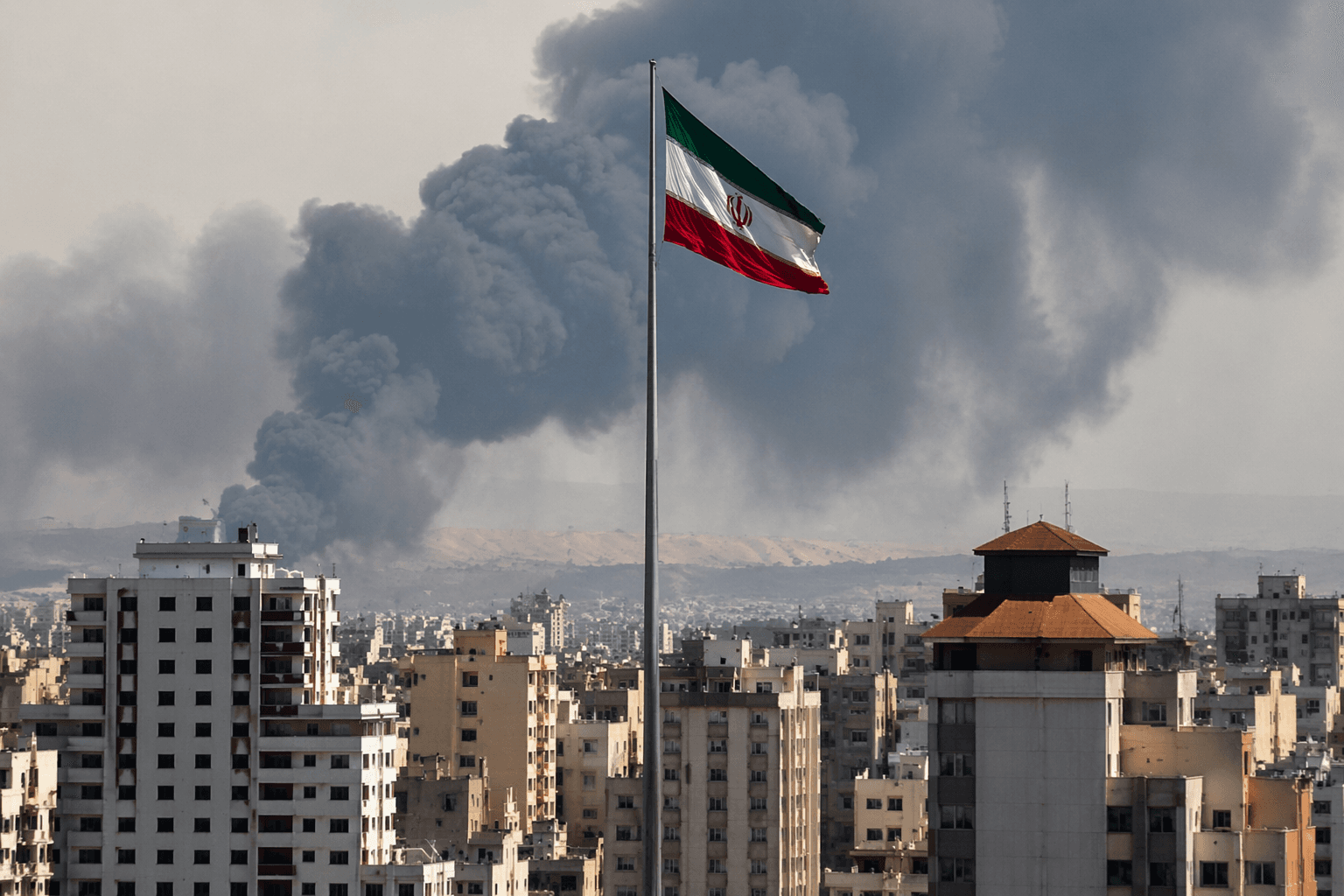
Any agreement would depend on a verification regime strong enough to track material that has already been bombed, moved or hidden from inspectors. The IAEA has said its inspectors remained in Iran throughout the conflict and are ready to return to nuclear sites and verify inventories as soon as access is restored. That makes the current U.S. effort at the U.N. nuclear watchdog especially consequential: Reuters reported that Washington was lobbying members of the IAEA Board of Governors to back a draft resolution demanding that Iran explain what happened to its bombed sites and the enriched uranium stored there. That move could complicate the negotiations even as it seeks to sharpen pressure on Tehran.
The diplomatic fight sits on top of a longer collapse in trust. The Joint Comprehensive Plan of Action took effect on January 16, 2016, under the Obama administration, and was meant to limit Iran’s enrichment program in exchange for sanctions relief. Trump withdrew the United States from that deal in 2018, and since then he has insisted any new agreement must be tougher and stop Iran from obtaining a nuclear weapon. Iran has maintained that its program is peaceful, while the IAEA has warned that the lack of access to verify stockpiles is a proliferation concern.
The stakes reach well beyond the centrifuges and the inspectors. A deal that can actually locate, secure and destroy the uranium would signal that diplomacy can still restrain a volatile nuclear crisis. Failure would raise the risk of another round of strikes, further strain the Middle East, and add new pressure to energy markets already sensitive to conflict. It would also test U.S. credibility after years of sanctions, withdrawals and unanswered questions about what remains of Iran’s nuclear program under the rubble.
This article was produced by Prism’s automated news system from verified source data, official records, and press releases, then run through automated quality and moderation checks before publishing. The system is built and supervised by the people who set the standards it runs under. Read our full AI policy.
Know something we missed? Have a correction or additional information?
Submit a Tip