Reed says U.S. is worse off in Iran, questions Trump’s plan
Reed said the U.S. was in a “much worse position” in Iran and accused Trump of lacking a plan as Congress pressed for answers on war powers and strategy.
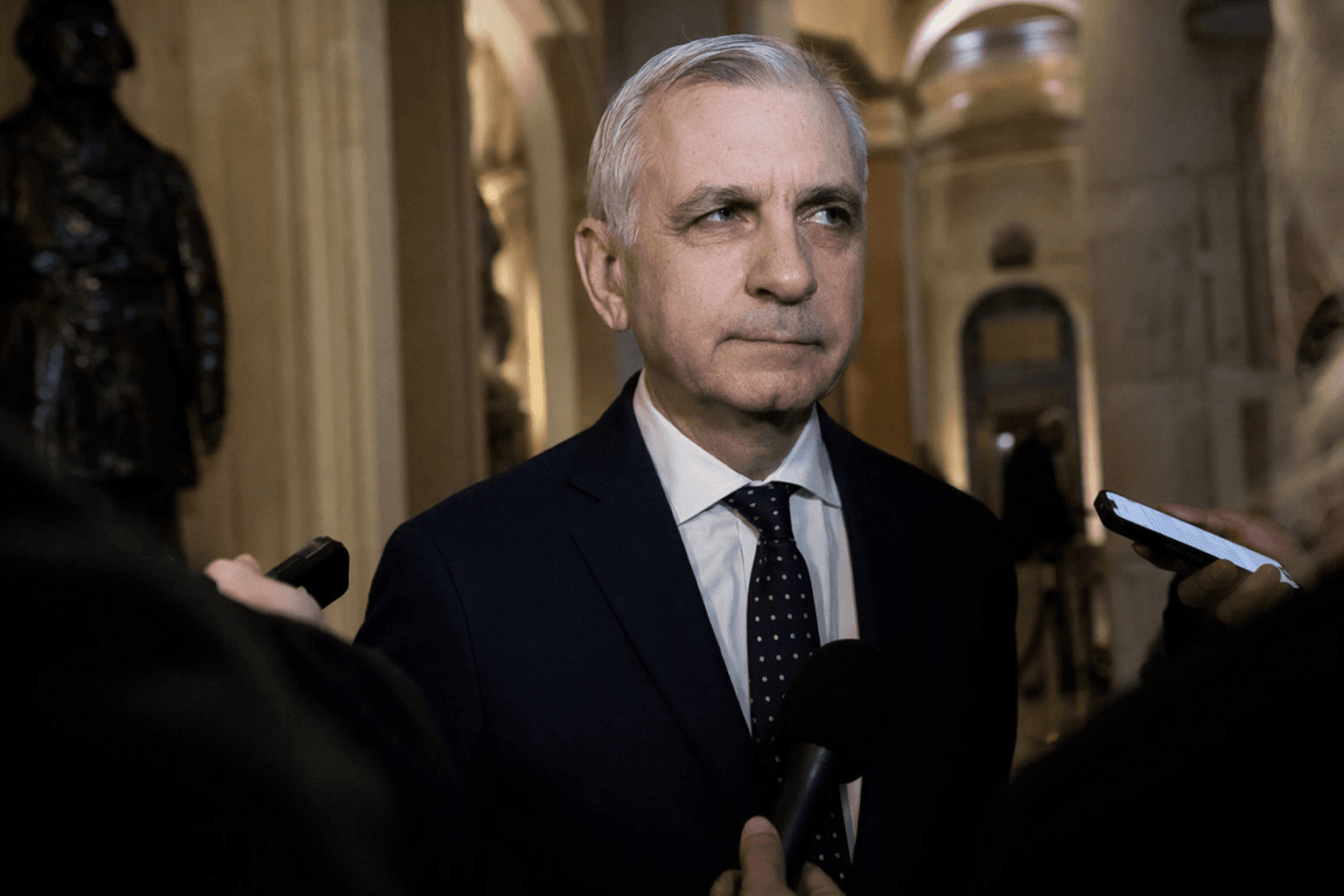
Jack Reed said the United States was in a “much worse position” with Iran since the war began, and the ranking Democrat on the Senate Armed Services Committee said he does not believe President Donald Trump has a plan to reach his stated objectives. His criticism cut to the central questions now shadowing Operation Epic Fury: what the administration is trying to achieve, how success will be measured, and how fully Congress has been briefed before the conflict deepens.
Reed made the comments Sunday on ABC News’ This Week as lawmakers increased pressure on the White House over the U.S.-Israeli campaign launched on Feb. 28, 2026. The Trump administration filed its war powers notification with Congress two days later, on March 2, but Reed and other Democrats say the administration still has not clearly explained the mission, the costs, or whether it will rule out American ground forces inside Iran. Reed has warned for weeks that the war risks repeating the failures of the 2003 Iraq invasion, a comparison that reflects broader concern in Washington about open-ended military commitments with unclear endpoints.
The fight over oversight sharpened in the Senate. On April 15, 2026, senators voted 52-47 to block a War Powers Resolution that would have reined in Trump’s campaign, with most Republicans opposed and Sen. Rand Paul joining Democrats in support. Reed then renewed his demand for public hearings, joining Senate Democratic Leader Chuck Schumer and Sen. Jeanne Shaheen in calling for administration officials, including Secretary of State Marco Rubio and Defense Secretary Pete Hegseth, to testify under oath. At a Senate Armed Services Committee hearing on April 30, Hegseth rejected Democratic claims that the war had been launched without evidence of an imminent threat and insisted the campaign was a success.

The legal clock was also closing. Reporters said a key War Powers Resolution deadline fell on May 1, 2026, unless Trump sought congressional authorization or justified more time to withdraw U.S. forces. By then, the regional fallout had already widened. Iran warned of “long and painful strikes” if the U.S. resumed attacks, while the Strait of Hormuz remained effectively closed, choking off about 20% of the world’s oil and gas supplies and pushing fuel prices higher. Reed argued that the administration has not accounted for those costs, or for the unresolved question of Iran’s nuclear material. U.N. nuclear chief Rafael Grossi has said most of Iran’s highly enriched uranium is likely still at the Isfahan nuclear complex, enough in theory to produce more than 10 nuclear warheads.
This article was produced by Prism’s automated news system from verified source data, official records, and press releases, then run through automated quality and moderation checks before publishing. The system is built and supervised by the people who set the standards it runs under. Read our full AI policy.
Did this article answer your question?

