Reeves plans to delay fuel duty rise again, Reuters reports
Rachel Reeves is poised to push back a fuel-duty rise, shielding motorists from a 5p-a-litre hike while leaving the Treasury to absorb another revenue hit.

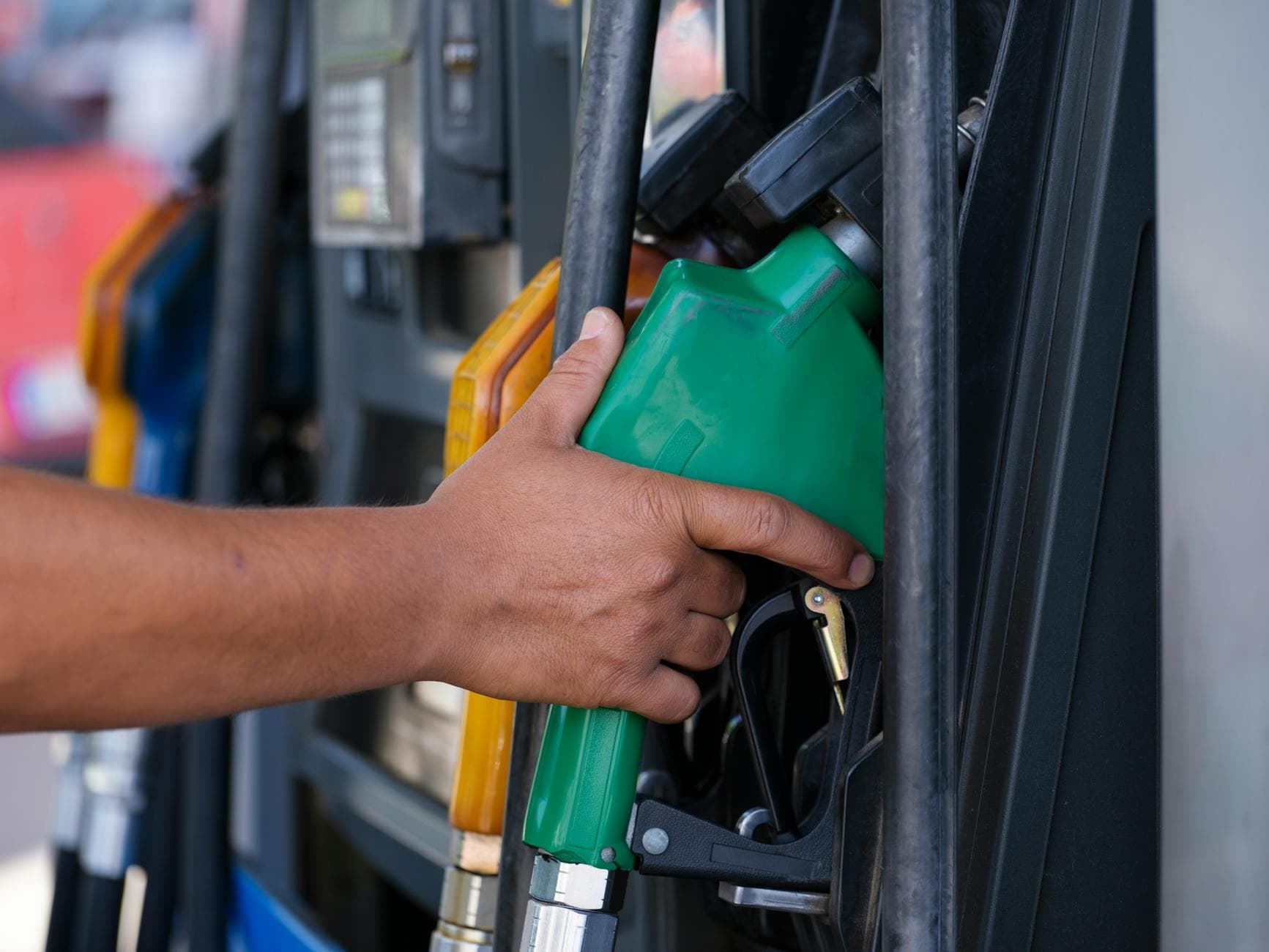
Rachel Reeves is preparing to delay a fuel-duty rise again, a move that would spare drivers from a 5p-a-litre increase and keep one of Britain’s most politically sensitive taxes frozen for longer. The immediate winners would be motorists, who would avoid a higher pump bill at a time when household budgets are still under pressure.
The plan would extend a temporary cut first introduced at the March 2022 Spring Statement. Under the current measure, the 5p reduction is due to end on 22 March 2026, and the government has already said the planned inflation-linked increase for 2025 to 2026 would not go ahead. Budget 2025 then stretched the cut until the end of August 2026 and set out a gradual return to March 2022 levels by March 2027. A further delay would push that timetable back again.

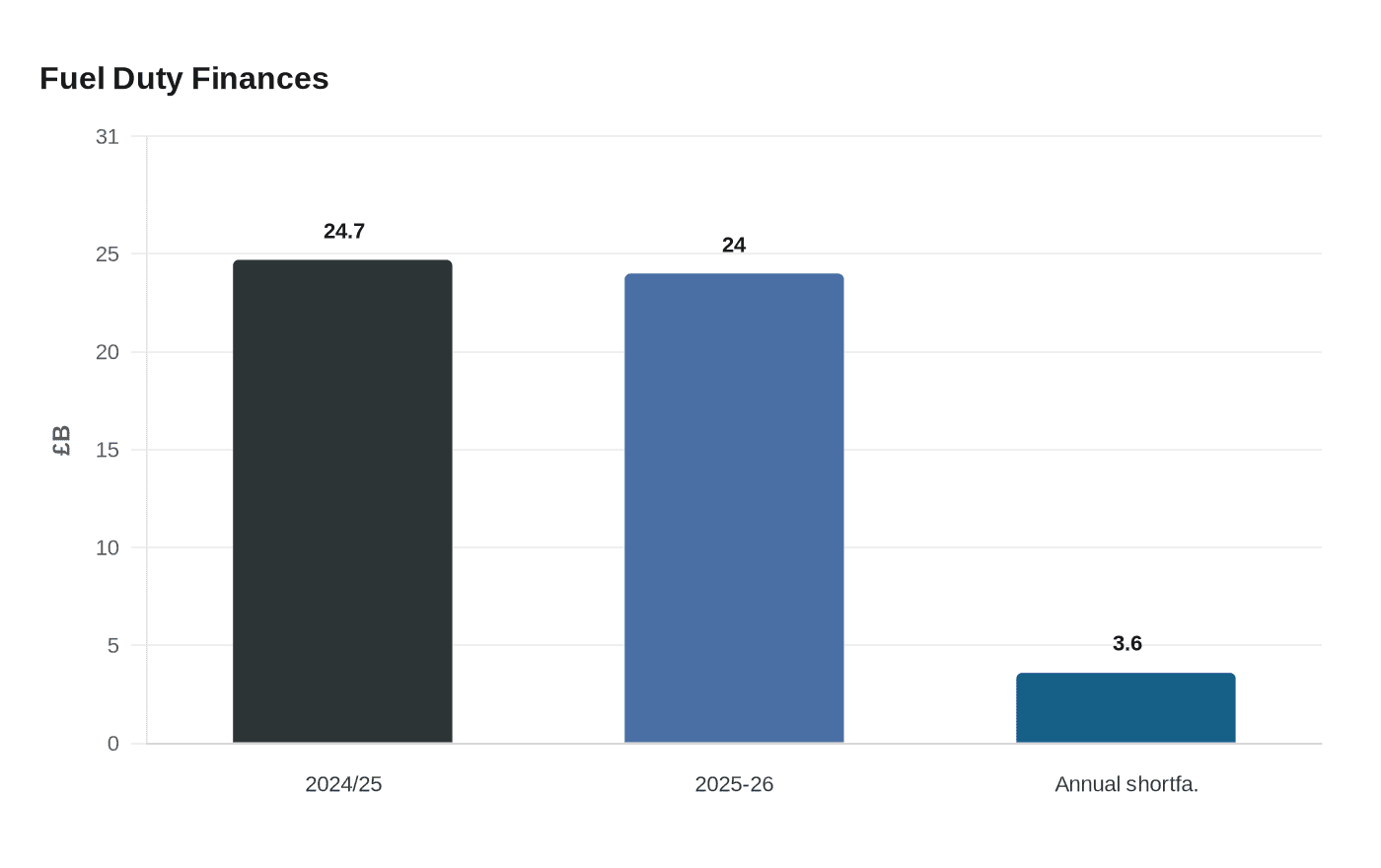
The fiscal trade-off is substantial. The Office for Budget Responsibility says fuel duty is expected to raise about £24 billion in 2025-26, equal to 0.8 per cent of GDP, while HM Revenue & Customs-linked figures put receipts at about £24.7 billion in 2024/25. The headline rate on standard petrol and diesel remains 52.95p per litre, and it has not increased since 2011-12. The budget watchdog said in March that if the government followed past practice and did not raise fuel duty, it would create a £3.6 billion annual shortfall in future years.
Politics has made the issue especially fraught. Keir Starmer and Reeves have both argued that reducing the cost of living is a priority, and fuel duty is one of the most visible taxes in the country because it affects almost every UK driver. That makes it an easy lever for relief, but also a recurring strain on public finances. Global oil prices, which Reuters said have climbed about 60% since the start of the Iran war at the end of February, have only sharpened the pressure on ministers to cushion households.
Reeves has not confirmed the move publicly, and the Treasury declined to comment on the speculation. But another extension would underline the central tension in Labour’s economic message: voters want breathing space now, while the Exchequer keeps giving up revenue and the government’s climate-tax timetable slips further out of alignment.
This article was produced by Prism’s automated news system from verified source data, official records, and press releases, then run through automated quality and moderation checks before publishing. The system is built and supervised by the people who set the standards it runs under. Read our full AI policy.
Did this article answer your question?

