Reflection AI signs $6.3 billion compute deal with SpaceX
Reflection AI secured immediate access to Nvidia GB300 chips at SpaceX’s Colossus 2, in a deal worth about $6.3 billion through 2029.
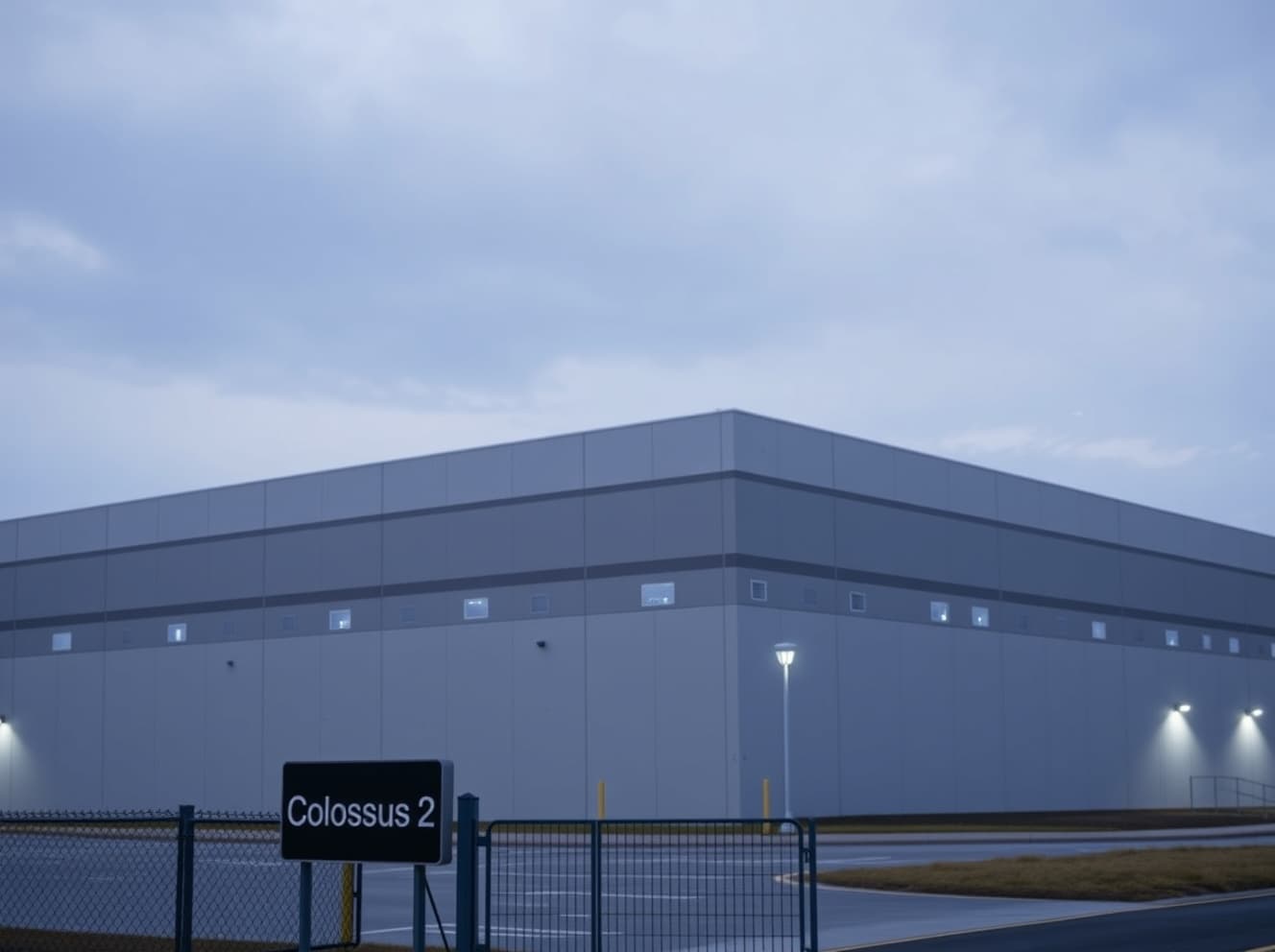
Reflection AI signed a compute deal with SpaceX that gives the open-source startup additional capacity at Colossus 2, including immediate access to Nvidia GB300 chips and supporting hardware. The agreement calls for payments of $150 million a month beginning July 1, 2026, and would total about $6.3 billion if it runs through 2029.
The contract also gives both sides an exit valve: either party can walk away after the first three months with 90 days’ notice. High-end compute is scarce, expensive and central to AI development, with access to the newest Nvidia chips often determining which companies can train larger models and ship them faster.
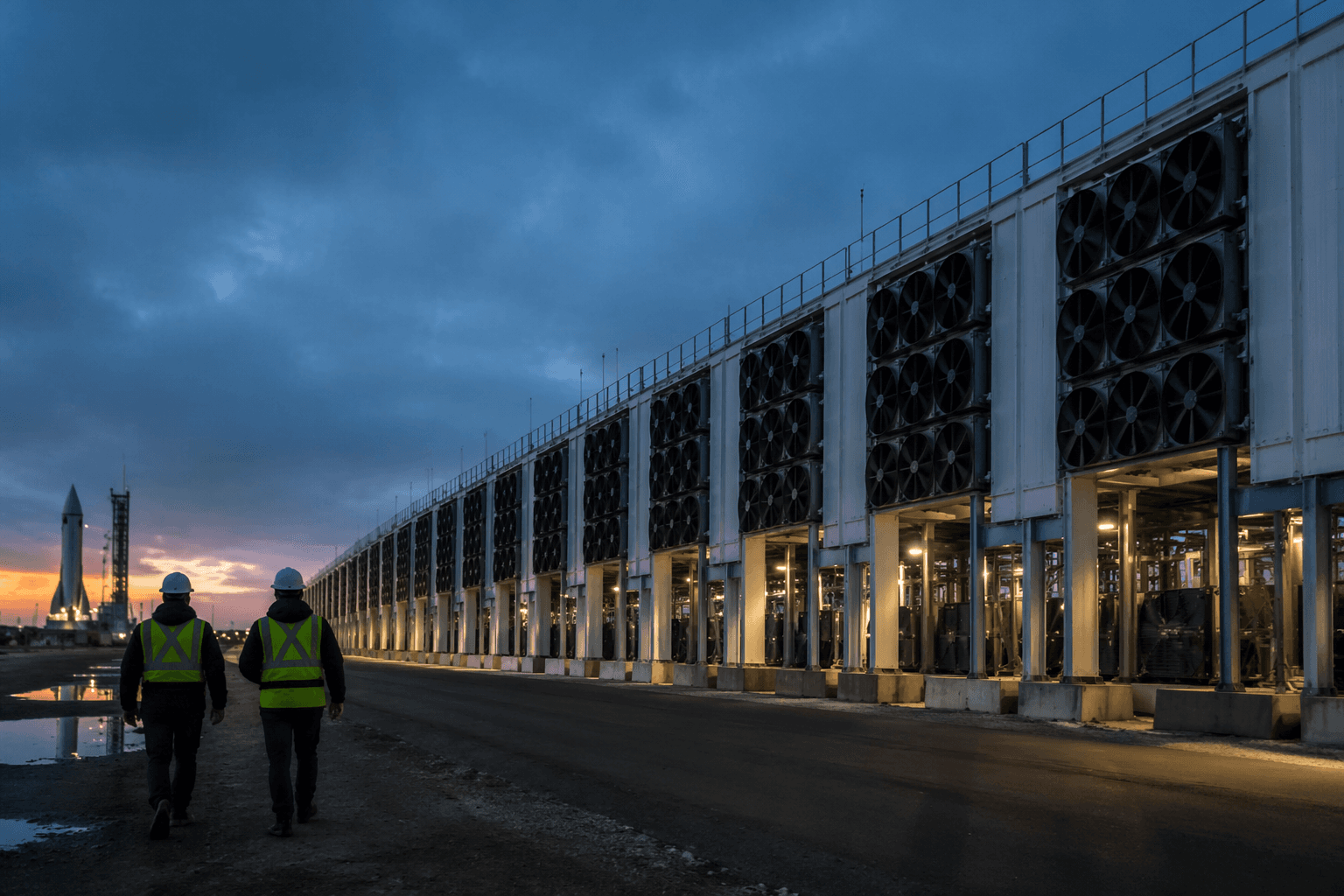
The deal puts SpaceX deeper into the infrastructure business behind frontier AI. Colossus 2, near Memphis, Tennessee, came online in January after SpaceX bought the site in March 2025, giving the company a large-scale data center that can be repurposed for outside customers. SpaceX has also landed other compute clients, including Anthropic, Google and Cursor, turning what began as an internal supercomputing project into a revenue-generating platform.
For Reflection, the agreement adds to a fast-growing capital story. In March 2026, the company was Nvidia-backed and in talks to raise $2.5 billion at a $25 billion valuation. The new SpaceX contract adds chips, rack space and data-center power to the resources open-source AI firms need to compete.
That dependence cuts both ways. Immediate access to GB300s may accelerate Reflection’s training and deployment plans, but it also ties the company to infrastructure controlled by a small set of powerful players, from Nvidia on the chip side to SpaceX on the data-center side.
This article was produced by Prism’s automated news system from verified source data, official records, and press releases, then run through automated quality and moderation checks before publishing. The system is built and supervised by the people who set the standards it runs under. Read our full AI policy.
Did this article answer your question?