Reform UK leads fragmented English local elections as Labour, Conservatives lose ground
Reform UK topped the declared English local election results with about 30% of seats, exposing a splintered map that left Labour and the Conservatives weakened.
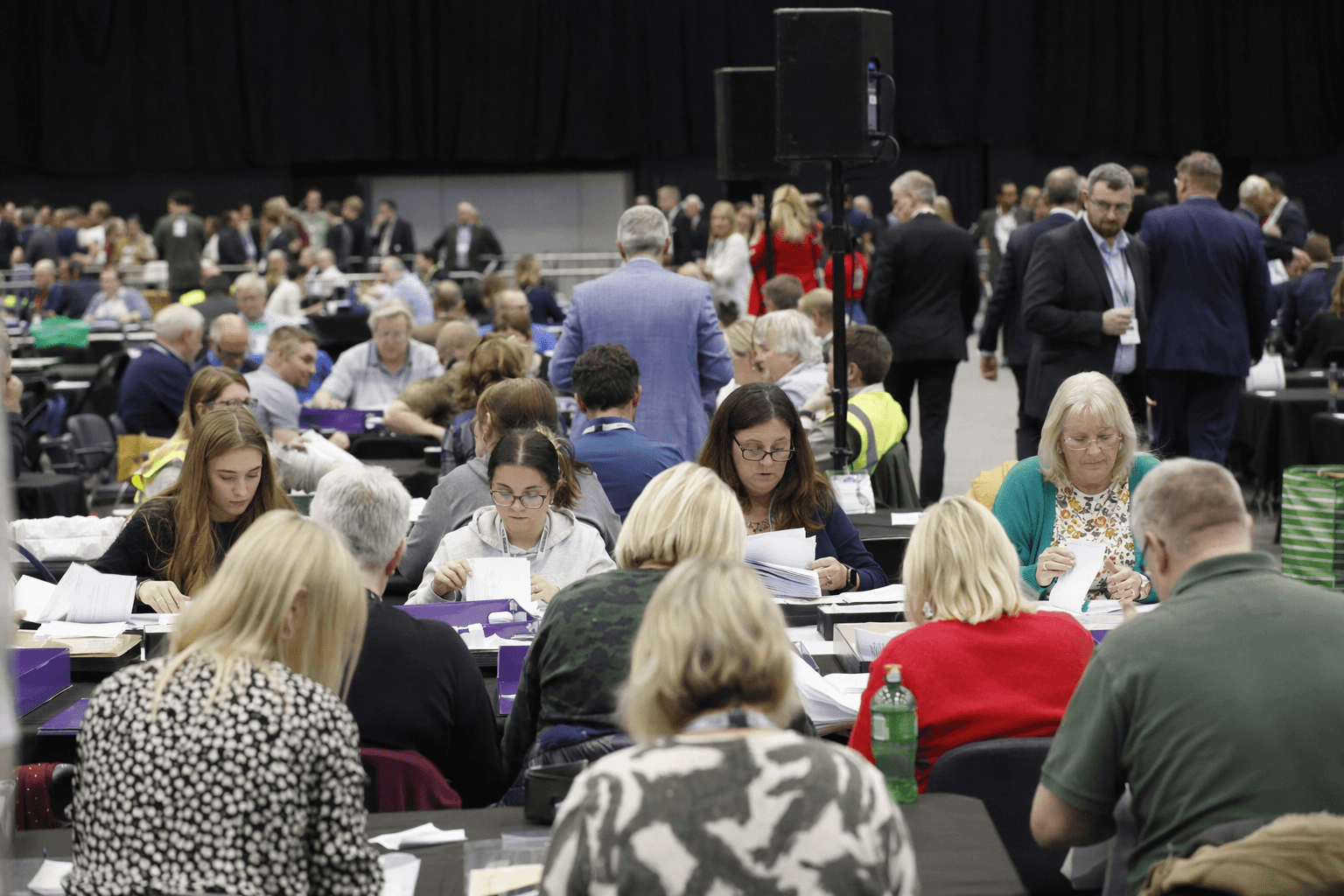
Britain’s local election map has fractured further, with Reform UK taking the clearest early lead as Labour and the Conservatives lost ground across England. About 5,000 councillors were being elected on 7 May 2026 across nearly 3,000 wards in 136 English local authorities, with more than 25,000 candidates competing, and the first results pointed to a contest no longer shaped by two dominant parties.
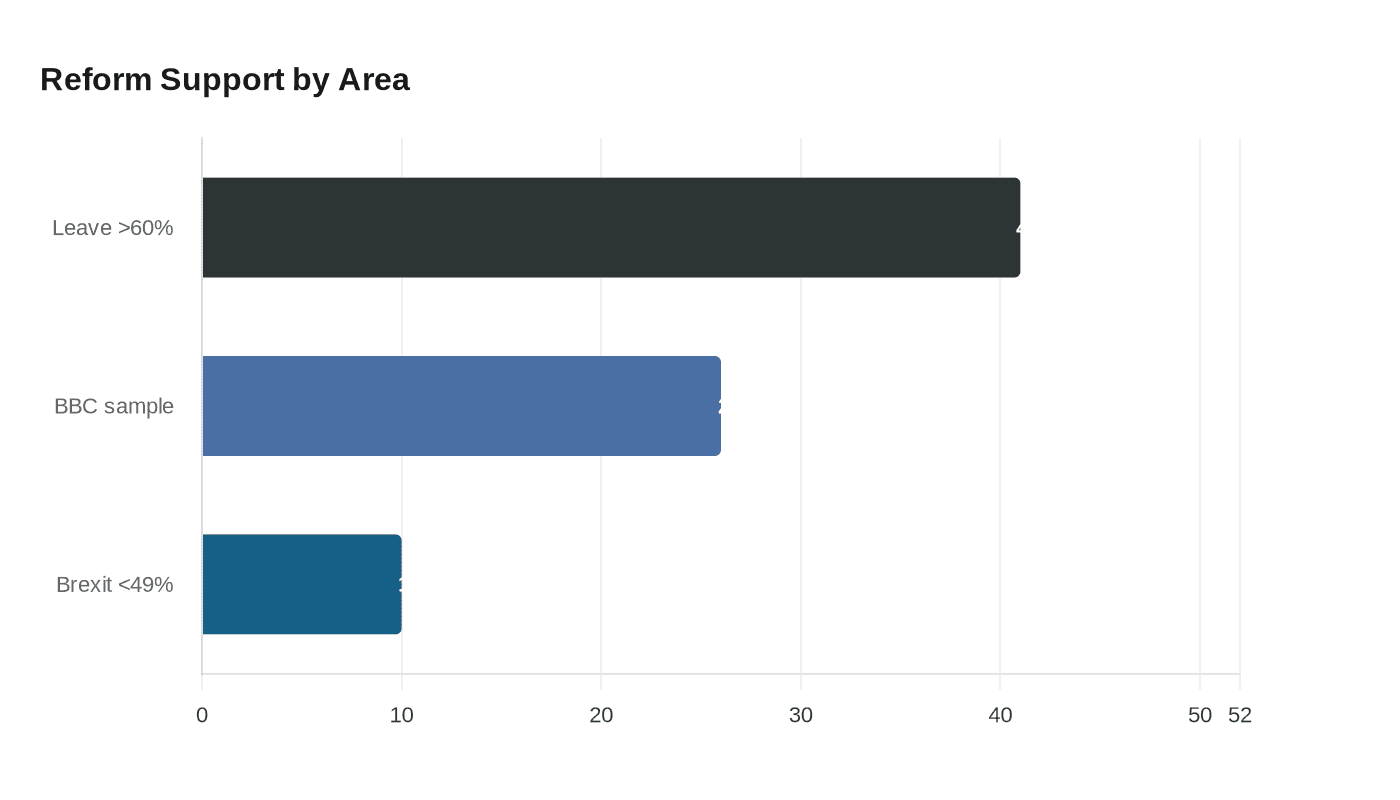
Sir John Curtice said the overnight results confirmed that electoral politics in Britain had become highly fragmented. Reform had won most of the seats declared so far and about 30% of those declared at that point, enough to put it ahead despite a vote share that was not overwhelming. In a BBC sample of more than 500 wards, Reform averaged about 26% of the vote, a level Curtice said showed that none of the parties was very big, but that Reform was still out in front.
The party’s strength was sharply concentrated in Brexit-heavy places. In wards where more than 60% of voters backed Leave in 2016, Reform averaged 41%. In areas where less than 49% had backed Brexit, its average fell to about 10%. That gap underscored the way Brexit continued to split England’s political geography, with older party loyalties weakening and local contests becoming a test of identity as much as policy.
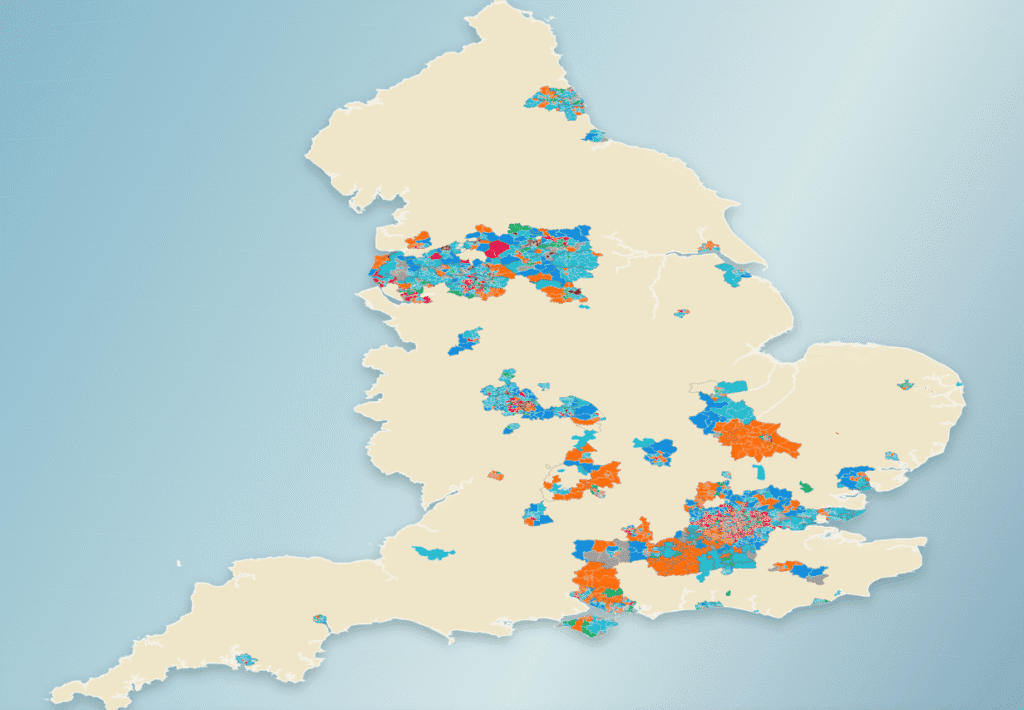
Labour suffered the heaviest damage, losing hundreds of councillors and control of eight local authorities across England. The Conservatives also lost ground, while Reform, the Liberal Democrats and the Greens all made gains. The result fits a wider shift already visible in the 2024 general election, when Labour won a large majority but Reform took five seats and the Green Party four, both record tallies for those parties. Reform won 14.3% of the vote in that election, while the Greens took 6.8%, a sign that smaller parties were already converting votes into a more durable presence.
Nigel Farage framed the results as evidence of a historic realignment and said Reform was on course to win the next general election. Keir Starmer has taken responsibility for Labour’s losses and vowed to fight on. But the wider message from the local results is not a clean swing from one bloc to another; it is a splintered political field in which campaign strategy, governing majorities and national election outcomes are likely to stay volatile.
This article was produced by Prism’s automated news system from verified source data, official records, and press releases, then run through automated quality and moderation checks before publishing. The system is built and supervised by the people who set the standards it runs under. Read our full AI policy.
Did this article answer your question?

