Reform UK surges in English council results, seizes seats from Labour and Conservatives
Reform UK took Hartlepool and pushed Redditch into no overall control, extending its reach into both Labour and Conservative territory.
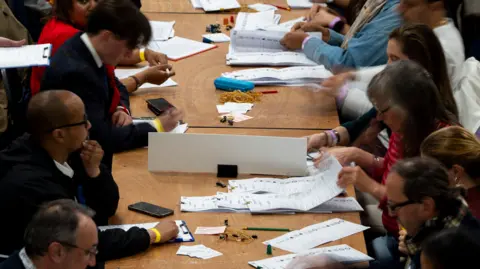
Reform UK’s early gains took Hartlepool council to no overall control and pushed Redditch the same way, a cross-party advance that looks wider than a single protest surge. Labour held Halton only because its majority was too large to be overturned by the seats up for election, while Reform also took wards in Leigh, in the old parliamentary seat associated with Labour mayor Andy Burnham.
The first declarations came as voters across England, Scotland and Wales cast ballots on Thursday 7 May 2026, with the English contests spread across 172 local authorities and six local authority mayoral races. In England alone, more than 5,000 councillor seats were in play, and polling stations were open from 7am to 10pm. The Electoral Commission said voters needed photo ID at polling stations and had until 20 April 2026 to register.
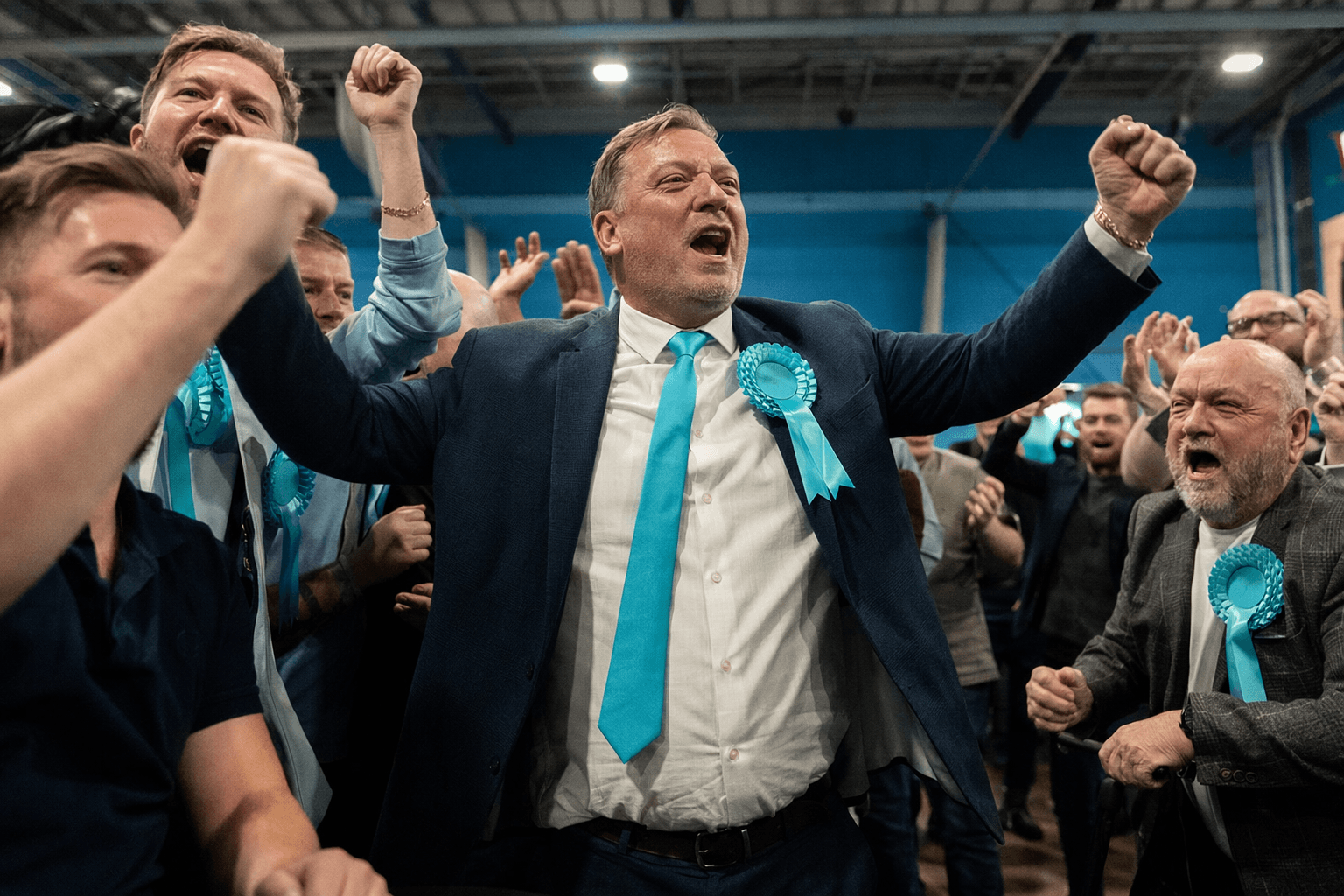
What makes the early count politically significant is where Reform’s gains landed. Hartlepool had been symbolically important to Labour after the party regained the council in 2024, following its 2021 parliamentary by-election defeat there. Losing it again suggests Reform is not simply soaking up discontent from Conservative-held territory; it is cutting into Labour ground as well. Redditch points in the same direction, with Reform helping drive that council into no overall control rather than merely picking up isolated protest wards.
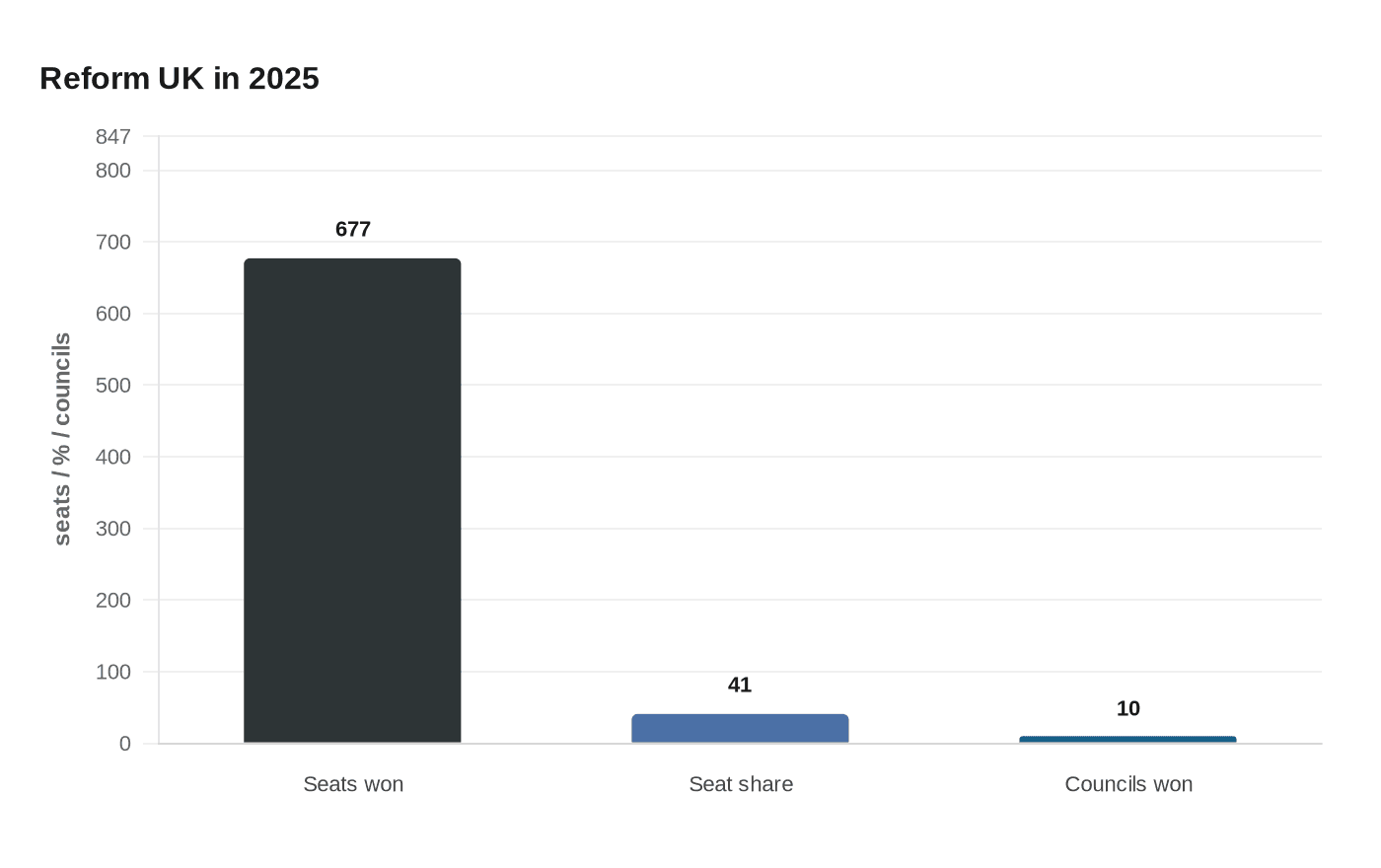
The 2025 local elections already showed how quickly Reform could disrupt the map. It won 677 seats, the largest total of any party, taking 41% of the seats up for election and gaining control of 10 councils. Even then, the House of Commons Library said Labour remained the largest party in local government overall. That split picture matters now: Reform has already proven it can win in volume, but the sharper question is whether it can turn scattered advances into durable control and broader voter loyalty.
Nigel Farage has described the results as “unprecedented” and said they mark “the end of two-party politics”. The early count does not settle that claim, but it gives it fuel. If the remaining declarations keep showing Reform taking seats from both Labour and the Conservatives, especially in places where Labour thought it had recovered and in districts long treated as Conservative-leaning, the party’s challenge will look less like a temporary protest and more like a realignment in motion.
This article was produced by Prism’s automated news system from verified source data, official records, and press releases, then run through automated quality and moderation checks before publishing. The system is built and supervised by the people who set the standards it runs under. Read our full AI policy.
Did this article answer your question?

