Reform UK Urges VAT Scrapped on Energy Bills for Three Years
Reform UK's promise to scrap VAT on energy bills would save a typical household just £7 a month, with its own documents contradicting how large that saving actually is.
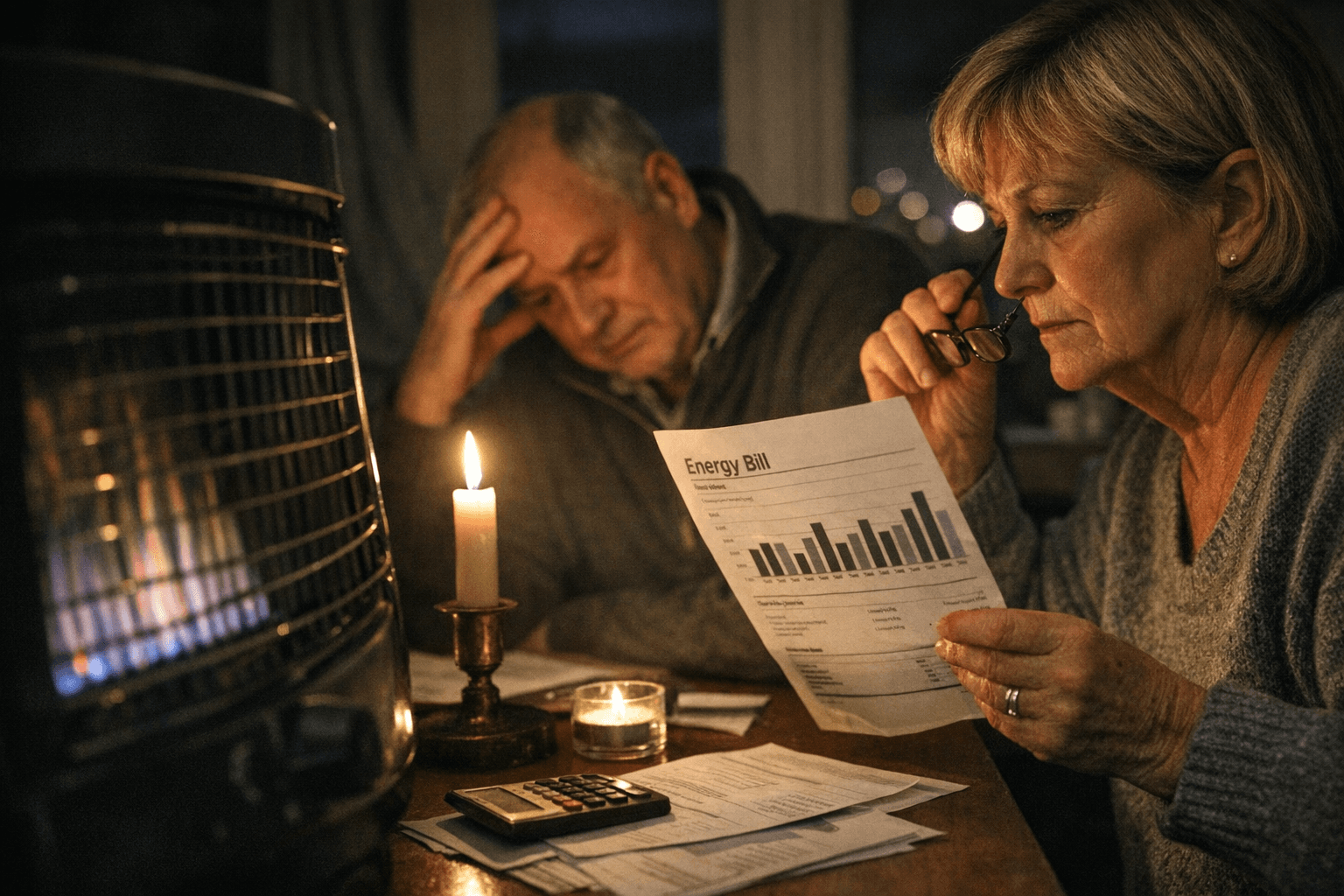
Seven pounds a month. That is the concrete household saving sitting behind Reform UK's headline pledge to scrap VAT on domestic energy bills for three years, a policy its Treasury spokesperson Robert Jenrick unveiled at a central London press conference this month as part of a wider package the party claimed would slash the average family's annual bill by £200.
The political arithmetic looked straightforward enough: remove the 5% VAT charge on gas and electricity, abolish the Renewables Obligation, a type of subsidy for some energy producers, and eliminate the Carbon Price Support, a levy paid by fossil fuel electricity producers, and families would pocket roughly £16.67 a month. For a pensioner on a fixed income watching a quarterly direct debit creep toward £400, or a small business owner whose workshop heating bill has climbed through two winters of heightened costs since the war in Iran refocused attention on energy pricing, £200 a year is not a trivial number.
The policy itself, however, arrived tangled in its own figures. Reform's press release stated that scrapping VAT would "cut the average household's energy bill by around £85 a year." The notes attached to the same press release put the saving lower: "cutting VAT right now would save each household £78 per year." The gap traces back to a factual error embedded in Reform's own supporting material. The party's notes incorrectly stated that the current energy price cap stands at £1,641. Ofgem's own data shows that is wrong: £1,641 is the upcoming cap, which took effect from April 1 and runs through June 2026. The cap that was in force when Reform published its press release was £1,758. Apply 5% VAT to that higher figure and the saving is roughly £84, close to the £85 in the press release. Apply it to the lower £1,641 figure and you get almost exactly £78. Two numbers from one party, both technically defensible, but derived from two different baselines the party did not distinguish.
The Press Association assessed Reform's pledge against its own methodology and found a further complication on the Renewables Obligation. That mechanism, which Reform proposed abolishing entirely, is already scheduled to be reduced for three years under existing policy, compressing the net new saving Reform could actually claim for that part of its package.
Jenrick framed the package as a direct challenge to the government, saying "it's outrageous that as people face soaring bills the chancellor is slapping £200 worth of levies and taxes on the price of energy." Reform said the policy would be funded in the short term by 7.5% cuts to quango budgets, which it projected would generate £2.5 billion a year by the end of the decade, with renewable subsidies unwound over time to make the measure cost neutral. No independent costing of that modelling was published alongside the press release.
The VAT cut is, in isolation, a well-defined intervention with straightforward distributional effects: households on the Ofgem price cap gain, while those on oil, LPG, or off-grid heating, who already pay no VAT on their fuel, receive nothing. The harder test for Reform is not whether scrapping 5% tax saves money, but whether a package built on a misquoted price cap, a green levy already being phased down, and quango savings yet to be demonstrated adds up to the £200 headline that Nigel Farage is preparing to take to the public.
This article was produced by Prism’s automated news system from verified source data, official records, and press releases, then run through automated quality and moderation checks before publishing. The system is built and supervised by the people who set the standards it runs under. Read our full AI policy.
Did this article answer your question?

