Reggae's roots, rhythms and global rise explained for listeners
A practical primer on reggae's origins, rhythms, subgenres and cultural voice, and why those elements matter to listeners and makers.
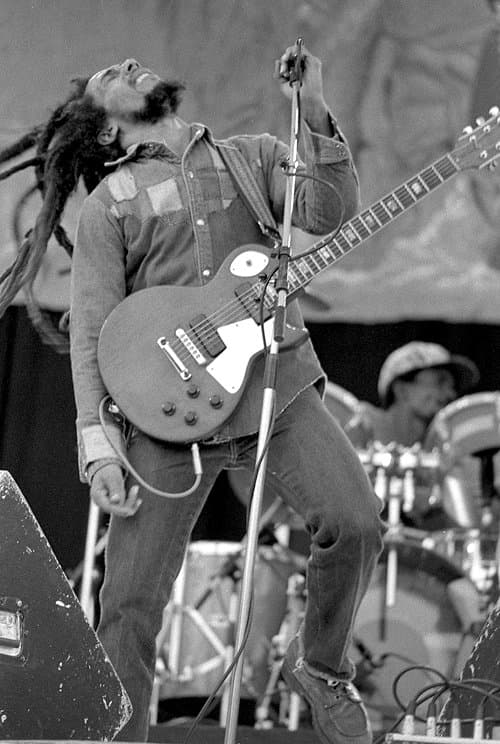
Reggae began in late-1960s Jamaica as a clear evolution from ska and rocksteady, and its rhythmic DNA, an offbeat skank, a heavy emphasis on beat three, and bass-and-drum grooves, has defined dancefloors and sound systems worldwide. That sonic fingerprint, coupled with Rastafari influence and pointed social commentary, is why reggae still matters to listeners, musicians and community organizers today.
At its core, reggae is a rhythm-first music. The skank guitar or keyboard on the offbeat and a one-drop style emphasis on the third beat create the space where basslines carry melody and message. Drums and bass are not background; they are the locomotive. Producers and engineers learned to treat the studio as an instrument, using echo, reverb and mixing choices to craft versions and dubwise takes that turn a vocal tune into an instrumental canvas.
Culturally, reggae has been a vehicle for spiritual and political expression. Rastafari themes, from repatriation ideas to spiritual resilience, run through roots reggae, while lyrics addressing inequality and resistance gave the music a public voice. That same breadth produced lovers’ rock’s intimate grooves, dub’s studio experimentation, and dancehall’s stripped-back, rhythm-driven energy, subgenres that each developed distinct performer, producer and sound system practices.
Reggae's production conventions matter to anyone getting serious about the music. Riddims, reusable instrumental backings, are the backbone of local scenes and international versions. Learning to recognize a classic riddim and how different singers interpret it is key to understanding regional tastes and the art of the version. Dub practices, dropping vocals, accenting instruments, using delay and filter sweeps, reveal how mixes can reframe a song entirely. For selectors and studio-minded musicians, those methods are practical skills as much as stylistic choices.
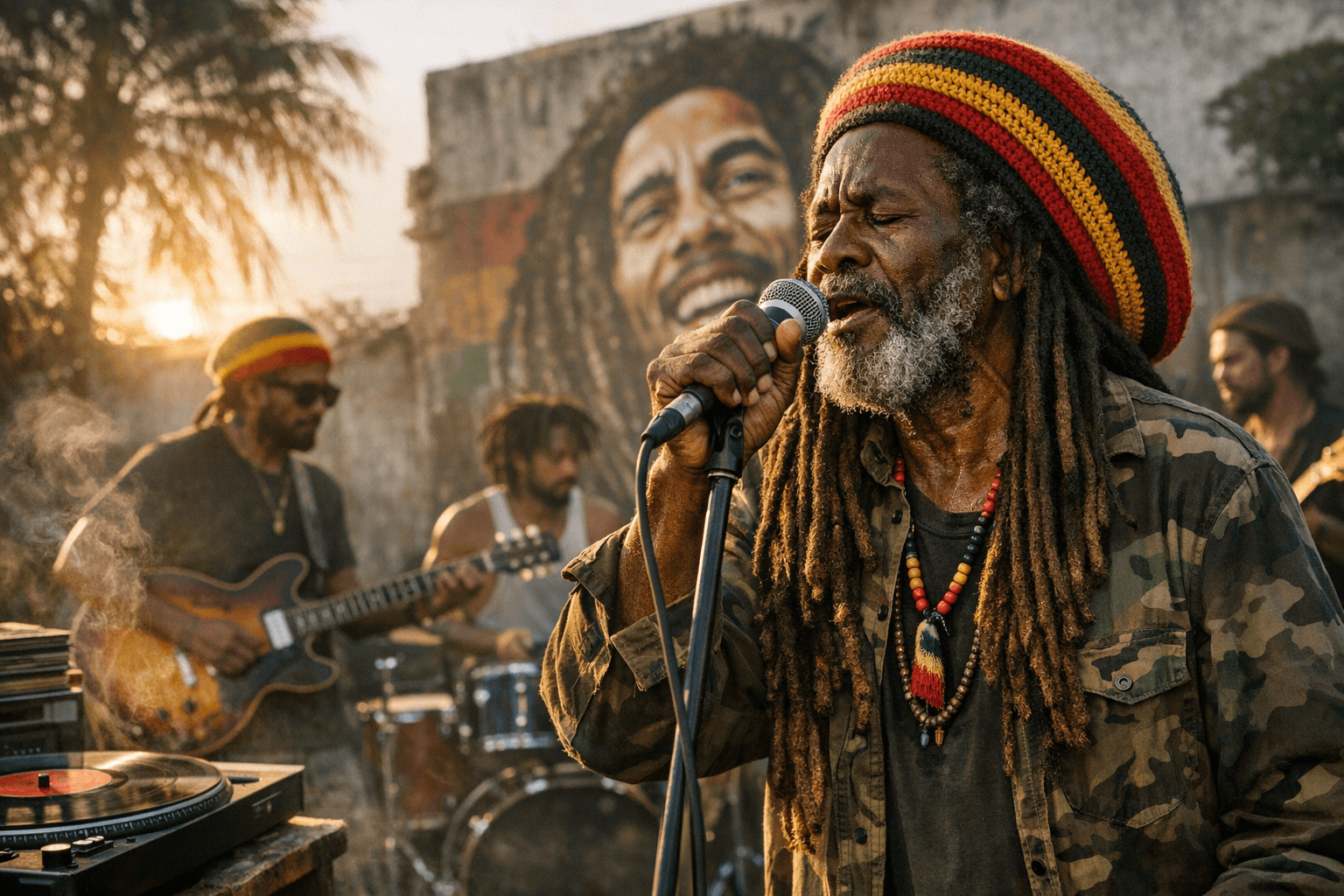
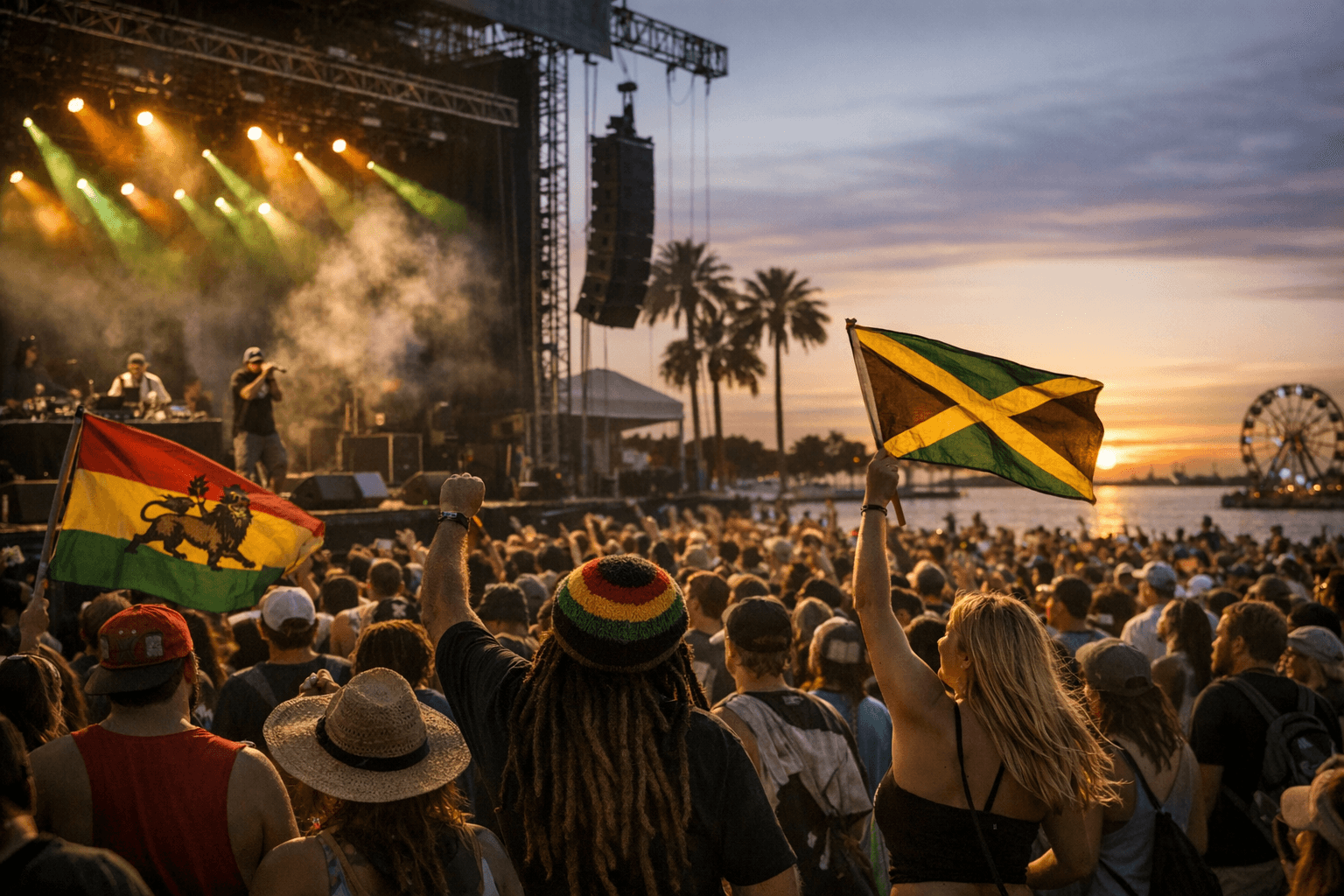
Internationally, reggae’s expansion has created regional scenes and fusion genres, feeding back into Jamaican practice and influencing pop, hip-hop, electronic and world music. That global presence was formalized through cultural recognition that acknowledges reggae’s social and creative value beyond commercial charts.
For listeners and makers, the practical next steps are simple: listen with intent to basslines and skank patterns, trace a riddim across several versions, study dub mixes to hear production decisions, and support local sound systems and live shows. Understanding these building blocks sharpens listening, informs performance and keeps the music’s communal exchange alive.
Know something we missed? Have a correction or additional information?
Submit a Tip