Reliable DCC Wiring Practices Every Model Railroader Should Master
A concise hands on guide distills essential wiring practices for DCC layouts, focusing on power distribution, protection, and troubleshooting. These recommendations matter because they reduce voltage drop, prevent service interruptions, and make automation and sound installation more dependable for both new and experienced hobbyists.
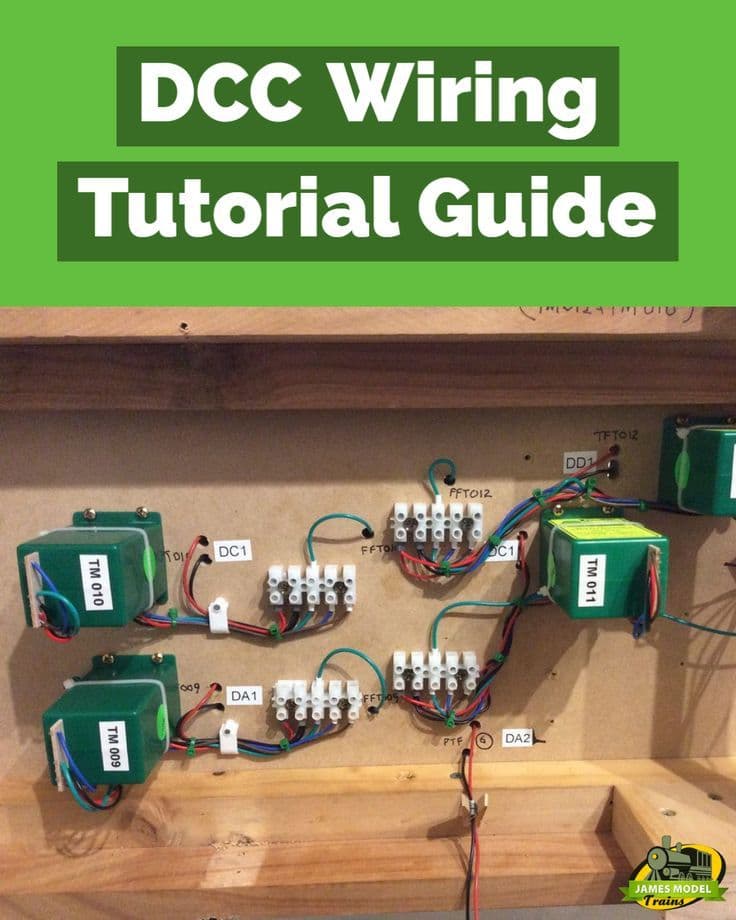
Model railroaders looking to build or improve DCC layouts will find practical, tested wiring guidance that addresses the most common causes of poor performance. The central recommendation is to run a heavy gauge power bus to supply track power, for example 14 to 18 AWG for the bus, and to add frequent small gauge feeders, for example 22 to 24 AWG every 3 to 6 feet or at least at each section or turnout, to avoid voltage drop and unreliable pickup.
Dividing the layout into manageable power districts with circuit breakers or current limiting devices provides essential short circuit protection and makes faults easier to isolate. Keeping blocks separate and protected also helps when troubleshooting locomotives or adding automation. Good connections are equally important. Feeders should be soldered or attached to reliable terminal blocks, and long daisy chain feeder runs should be avoided because they promote voltage loss and intermittent contact.
Track joints and cleanliness are frequent culprits in poor performance. Tight rail joiners, regular cleaning with a track cleaning car, and isopropyl alcohol swabs on turnout frogs and switches will improve electrical contact. For detection and automation, modelers should weigh budget and control system compatibility when choosing between current sensing occupancy detection, infrared sensors, or axle counter systems.
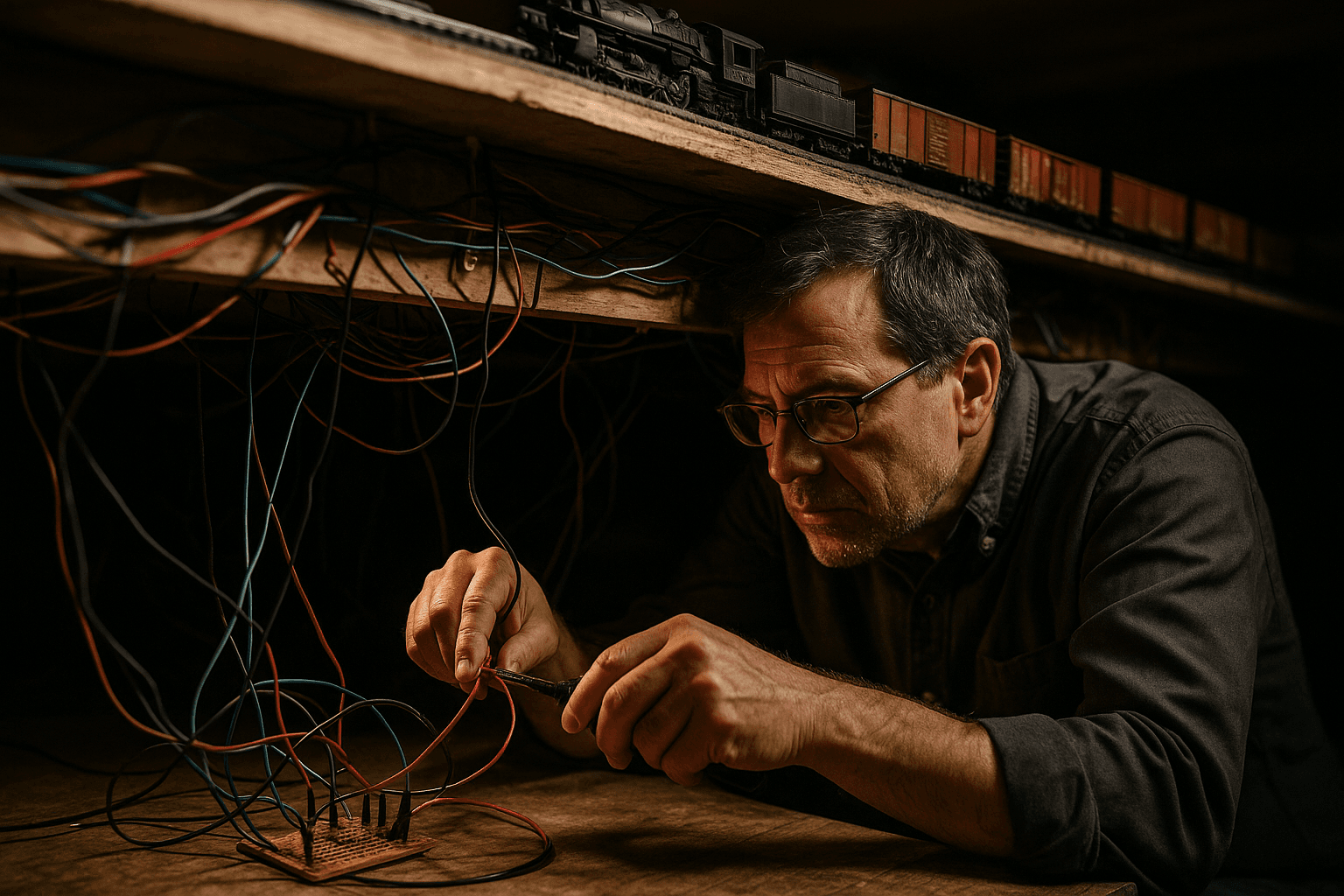
A systematic troubleshooting flow saves time. Isolate the problem by swapping locomotives to a known good test track, check suspected shorted sections with a multimeter, and use a known good power supply and command station to eliminate components. When adding sound devices, fit keep alive modules or capacitors so decoders can coast across dirty rails or brief pickup gaps without cutting sound or stalling.
Labeling and documentation pay dividends over the life of a layout. Maintain a simple wiring diagram and color code bus, feeder, and turnout control wires. Always disconnect power before major rewiring to protect yourself and electronics. A compact starter parts list includes a soldering iron, multimeter, terminal blocks, small gauge wire, and isolation tools. Following these practices will reduce headaches and keep trains running reliably for years of enjoyment.
Know something we missed? Have a correction or additional information?
Submit a Tip