Renewed Aleppo Clashes Kill Civilians as Thousands Evacuate Kurdish Districts
Fierce fighting between Syrian government forces and Kurdish-led fighters flared again in Aleppo on Jan. 6-7, killing at least 10 civilians and prompting a major displacement from Sheikh Maqsoud and Ashrafiyah. The clashes highlight a deepening standoff over stalled plans to integrate the Syrian Democratic Forces into the national army and raise urgent humanitarian and legal questions about the protection of civilians.
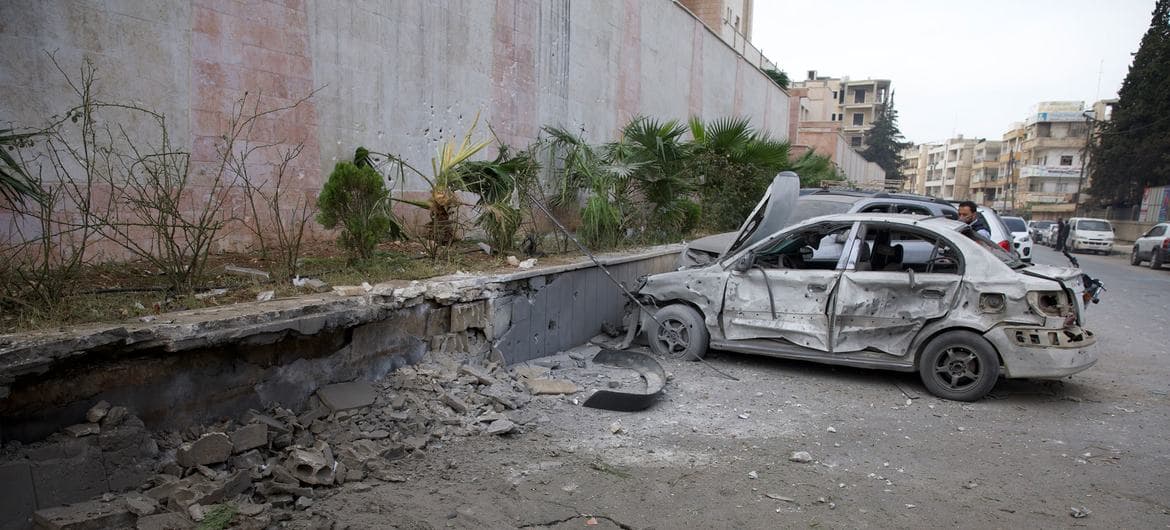
Fierce clashes between Syrian government forces and Kurdish-led fighters resumed in Aleppo on Jan. 6 and intensified the following day, leaving at least 10 civilians dead, dozens wounded and large numbers of residents fleeing predominantly Kurdish districts in the north of the city.
The violence began on Tuesday with an exchange of shelling that killed at least six people, including two women and a child. After a period of relative calm overnight, shelling resumed and intensified on Wednesday afternoon. Aleppo’s health directorate reported four more people killed on the second day and 18 wounded. Combined tallies from local authorities indicate at least 10 civilian fatalities across the two days, with many others injured.
Fighting was concentrated in the SDF-held neighbourhoods of Sheikh Maqsoud and Ashrafiyah. The Syrian army declared military positions in those areas to be legitimate military targets, and security officials signalled that a significant operation in the city could follow. That posture increases the prospect of a wider and more sustained military campaign in a densely populated urban environment.
The confrontations spurred a mass displacement. A government civil defence rescue source estimated that around 10,000 people had fled the immediate flashpoint areas and were evacuated by bus through government-opened humanitarian corridors. Other accounts put the movement at tens of thousands leaving the two Kurdish neighbourhoods after evacuation orders were issued. Authorities said they had ferried civilians out of the most exposed sectors, and some residents reported receiving text messages with a telephone number to call if they had nowhere to stay. Details on shelter capacity and broader humanitarian access remained unclear as the clashes unfolded.
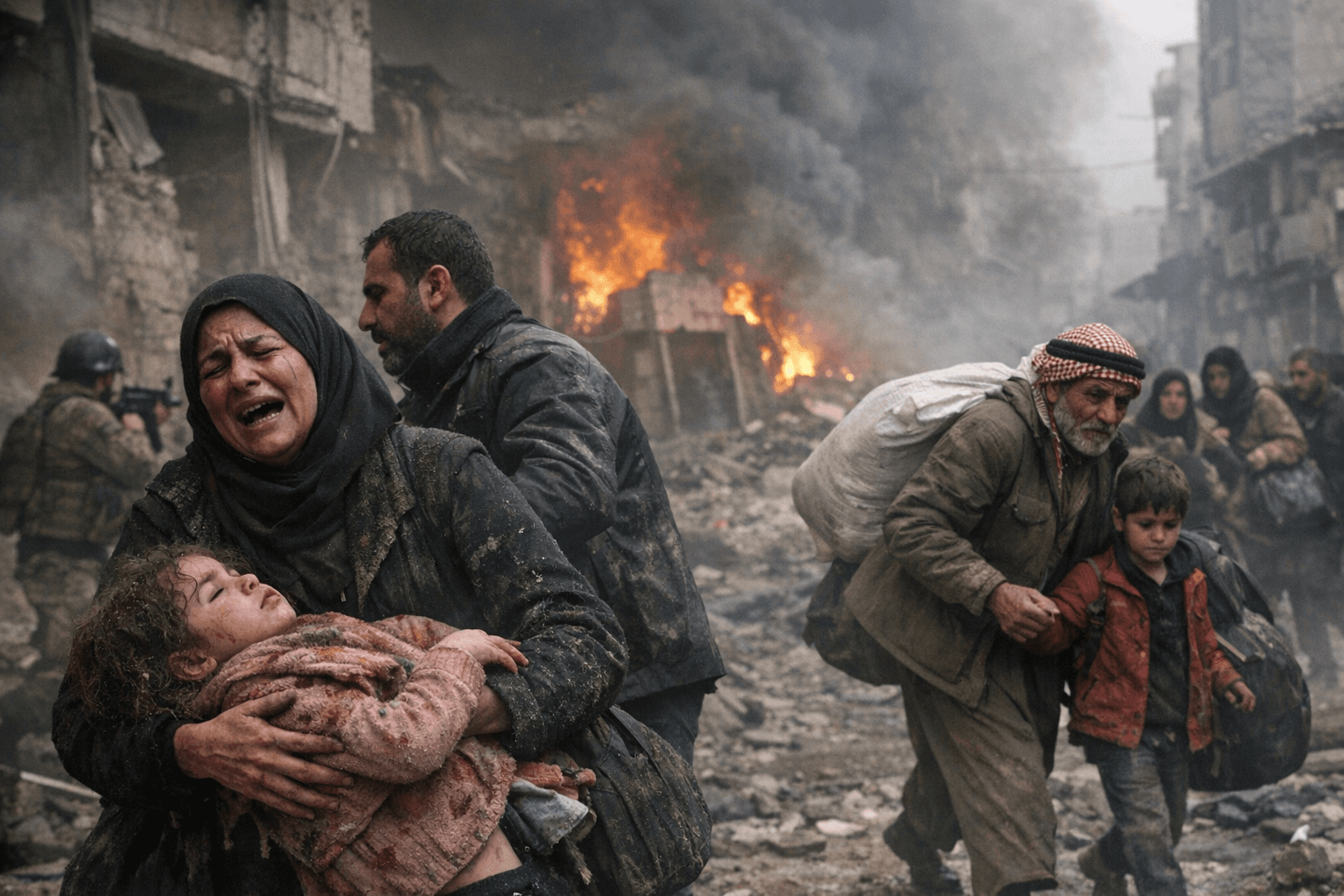
Both sides traded blame for the renewed violence. Damascus accused the Syrian Democratic Forces of escalating attacks on army positions and residential areas. The SDF denied those accusations and attributed civilian harm to indiscriminate shelling by forces aligned with the central government. The episode reflects a widening stalemate: long-running efforts to merge the SDF into the national army have shown little progress, and the Kurdish force continues to command tens of thousands of fighters in northeastern Syria.
For civilians in and around Aleppo, the immediate threats are the bombardment of densely inhabited neighbourhoods and the strain on limited humanitarian services. Under international humanitarian law, parties to the conflict are bound to distinguish between combatants and civilians and to avoid attacks expected to cause disproportionate civilian harm. The designation of urban districts as legitimate military targets, combined with calls from security officials for a potential major operation, raises urgent questions about proportionality, precaution and the ability of aid agencies to reach those displaced.
The clashes in Aleppo on Jan. 6-7 underscore how localized fighting can rapidly reverberate across Syria’s fragile political landscape, deepening mistrust between Damascus and Kurdish authorities and complicating regional efforts to stabilize the country. The situation remained volatile as displaced families sought shelter and as the prospect of a broader offensive loomed.
This article was produced by Prism’s automated news system from verified source data, official records, and press releases, then run through automated quality and moderation checks before publishing. The system is built and supervised by the people who set the standards it runs under. Read our full AI policy.
Did this article answer your question?


