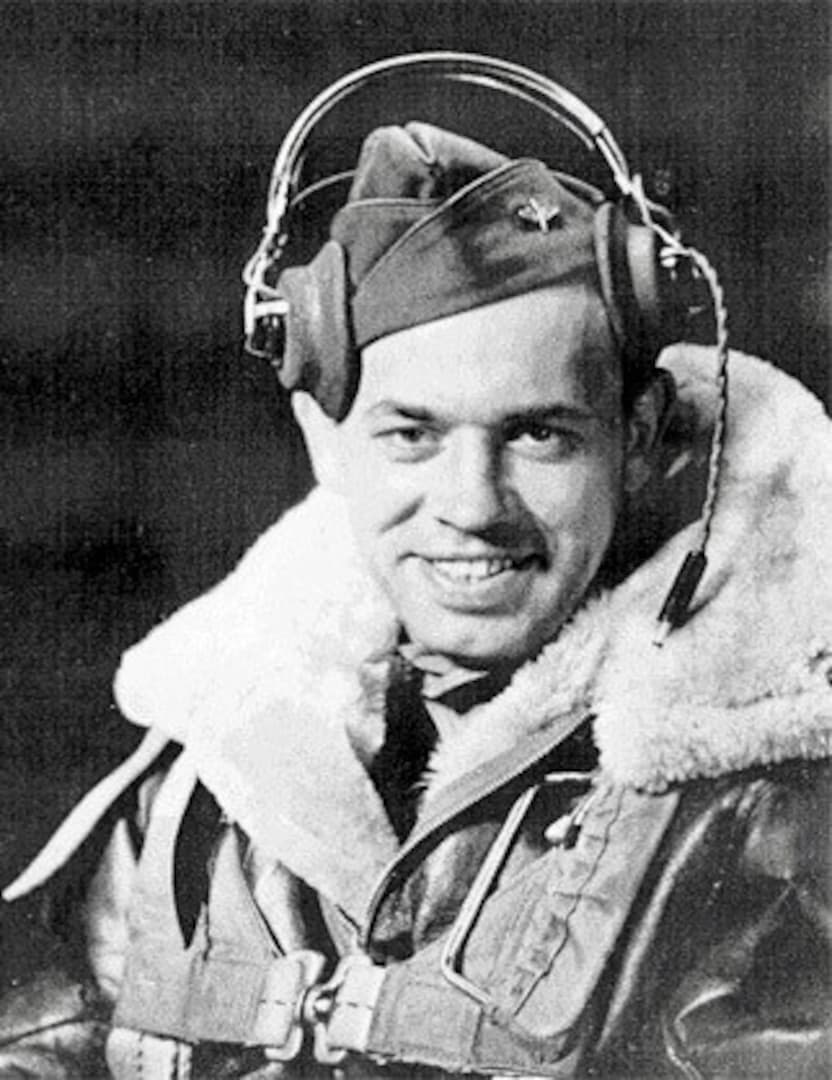
Renowned Forensic Scientist Dr. Henry C. Lee Dies at 87 in Nevada
He investigated 8,000 crimes and testified in more than 1,000 trials. A federal court later found him liable for fabricating evidence. Dr. Henry C. Lee died at 87.
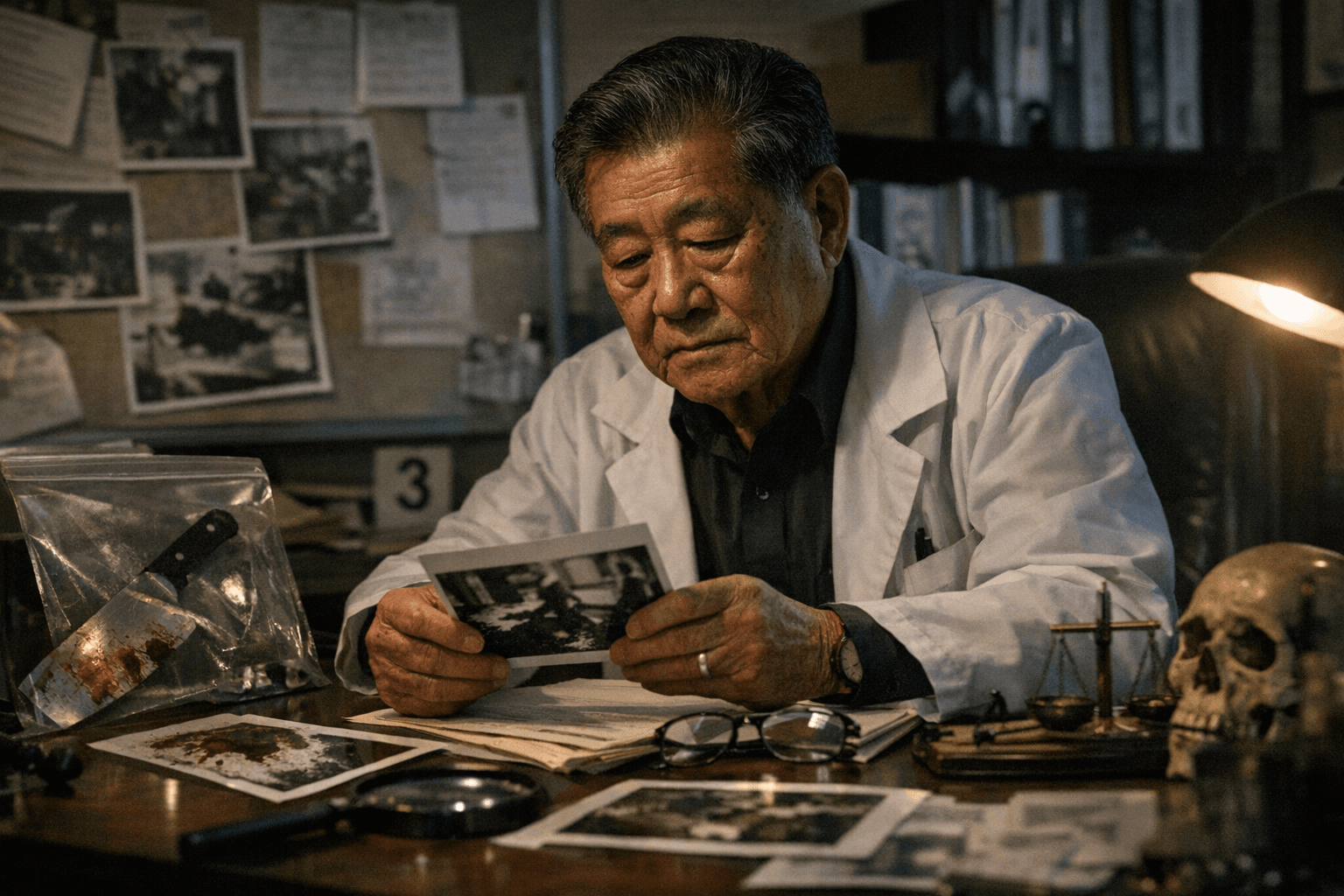
He estimated he had investigated 8,000 cases, testified in court more than 1,000 times, and helped reshape what American juries expected from a crime scene. Dr. Henry C. Lee died Friday at his home in Henderson, Nevada, following a brief illness. He was 87.
His family and the University of New Haven, where he had served as a distinguished professor for more than 50 years, announced that Lee "passed away peacefully." He is survived by his daughter, Sherry Hersey, and his son, Stanley Lee.
Lee rose to national prominence through his testimony in O.J. Simpson's 1995 murder trial, where he questioned the handling of blood evidence during one of the most watched criminal proceedings in American history. That appearance established him as the country's most recognizable forensic scientist and opened a string of high-profile consultancies: the 1996 slaying of 6-year-old JonBenét Ramsey in Colorado, the 2004 murder trial of Scott Peterson, accused of killing his pregnant wife Laci, and the 2007 murder trial of record producer Phil Spector.
His involvement extended well beyond those marquee cases. Across a 57-year career, Lee worked on investigations tied to the Helle Crafts woodchipper murder, the death of Washington intern Chandra Levy, the kidnapping of Elizabeth Smart, post-September 11 forensics, and a reinvestigation of the John F. Kennedy assassination. He consulted for an estimated 600 law enforcement agencies, authored or co-authored more than 40 books, hosted a 2004 Court TV crime-documentary series titled "Trace Evidence: The Case Files of Dr. Henry Lee," and previously served as Commissioner of Connecticut Public Safety. The University of New Haven said Lee was still working at the end, finalizing a book on missing-persons investigations that is expected to be published posthumously.
But the final chapter of his career was shadowed by serious legal findings. In 2020, a state judge vacated the murder convictions of two Connecticut men who had been imprisoned for decades, in part because of testimony Lee had given about what he identified as bloodstains on a towel. Tests conducted while the men were appealing showed the stains were not blood. In 2023, a federal judge found Lee liable for fabricating evidence in the 1985 Connecticut murder case and concluded there was no evidence to back up his testimony.
Lee contested both findings. He denied fabricating evidence and argued that traces of blood may have degraded in the roughly 20 years between the original crime and when defense experts tested the towel. Responding to the controversy, he said he had "never, ever was accused of any wrongdoing or for testifying intentionally wrong" throughout his career, and described the case as the first time he had ever been forced to defend himself professionally.
The federal court's finding represented an unresolved reckoning with the limits of forensic testimony, a discipline Lee had spent decades helping to legitimize in the public eye. In his final days, the scientist who had built a career interpreting physical evidence at the scenes of violent crimes was focused on documenting what happens when people simply vanish without a trace. That book, unfinished when he died, is still expected to reach readers.
This article was produced by Prism’s automated news system from verified source data, official records, and press releases, then run through automated quality and moderation checks before publishing. The system is built and supervised by the people who set the standards it runs under. Read our full AI policy.
Did this article answer your question?