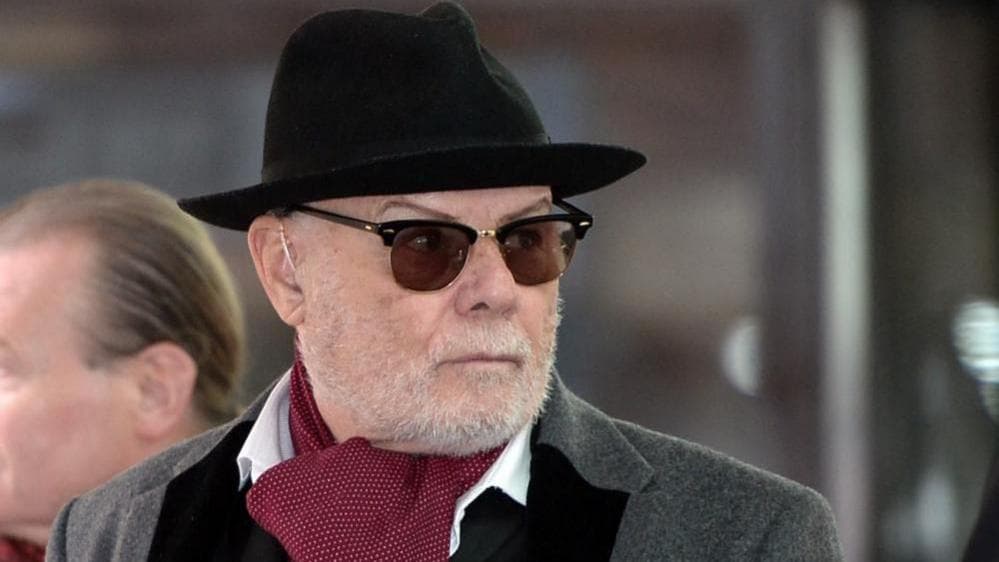
Renowned Indian photographer Raghu Rai dies at 83 after cancer battle
Raghu Rai turned India’s upheavals, leaders and street life into lasting images, from Indira Gandhi and the Dalai Lama to the Bhopal gas disaster.
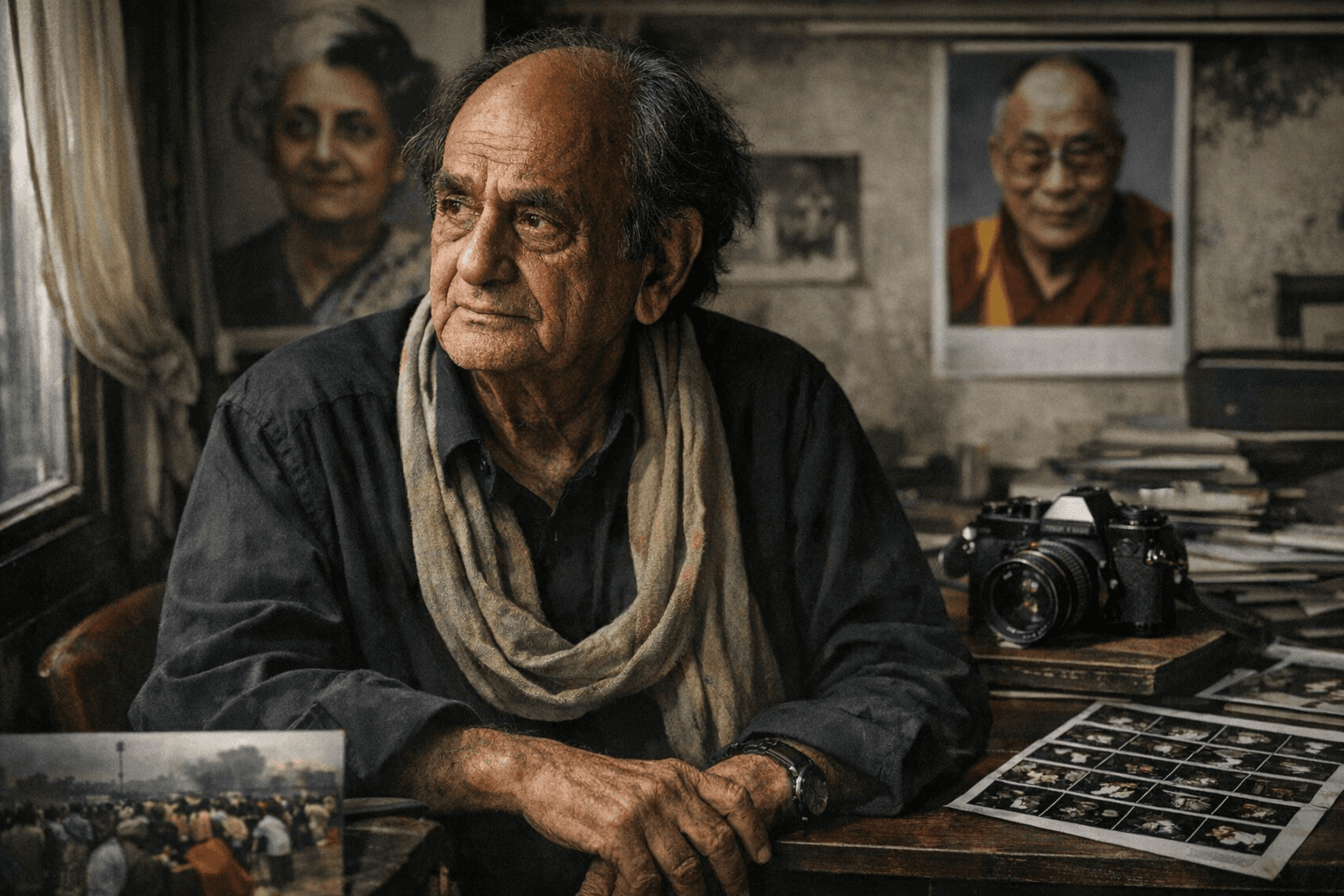
Raghu Rai, the photographer whose lens helped define how modern India was seen at home and abroad, died after a cancer battle at a private hospital in New Delhi. He was 83.
His family said the cancer had spread to his brain. His last rites were scheduled for 4 p.m. on April 26 at Lodhi Cremation Ground in New Delhi, closing a life spent documenting the country’s power, grief and daily rhythms with uncommon persistence.
Rai began photography in 1965 and joined The Statesman as chief photographer in 1966. In 1971, Henri Cartier-Bresson nominated him to Magnum Photos, and Rai later became the first Indian photographer invited to join the cooperative. That recognition matched the range of his work, which moved from the political center of the nation to its most vulnerable moments.
He won the Padma Shri in 1972 for his coverage of the 1971 India-Pakistan War, the plight of Bangladeshi refugees and Pakistan’s surrender. His frame also captured the Bangladesh Liberation War, the Emergency, Operation Blue Star and the 1984 Bhopal gas tragedy, one of the country’s worst industrial disasters, which sources have estimated killed about 25,000 people.
Rai’s portraits became part of India’s visual memory. He photographed the Dalai Lama, Indira Gandhi and Mother Teresa, and his images often found tension between public authority and private humanity. He was also known for everyday-life imagery, including his series Confessions of a Wall, which showed his ability to find meaning in ordinary spaces as well as national crisis.
In the 1980s, Rai became especially associated with India Today, where he produced picture essays on social, political and cultural themes. His photographs also appeared in Time, Life, The New York Times, Newsweek, Vogue, GQ, The New Yorker, Le Figaro, Le Monde and Die Welt, extending his reach well beyond India.
Tributes after his death reflected that stature. Rahul Gandhi said Rai preserved “our nation’s memory.” Shashi Tharoor called him an incomparable master of photography. Prime Minister Narendra Modi described him as a creative stalwart whose work captured India’s vibrancy with depth and sensitivity.
Rai also received the French government’s Officier des Arts et des Lettres in 2009, a late international honor for a photographer who treated the camera as witness, not ornament. His archive remains a record of India’s leaders, its tragedies and its ordinary streets, all held together by a single, enduring eye.
This article was produced by Prism’s automated news system from verified source data, official records, and press releases, then run through automated quality and moderation checks before publishing. The system is built and supervised by the people who set the standards it runs under. Read our full AI policy.
Did this article answer your question?