Rent Board Approves Zero Increase Range in Mamdani’s First Vote
New York’s rent board left the door open to a freeze, voting 0% to 2% on one-year leases and 0% to 4% on two-year leases for 1 million stabilized apartments.
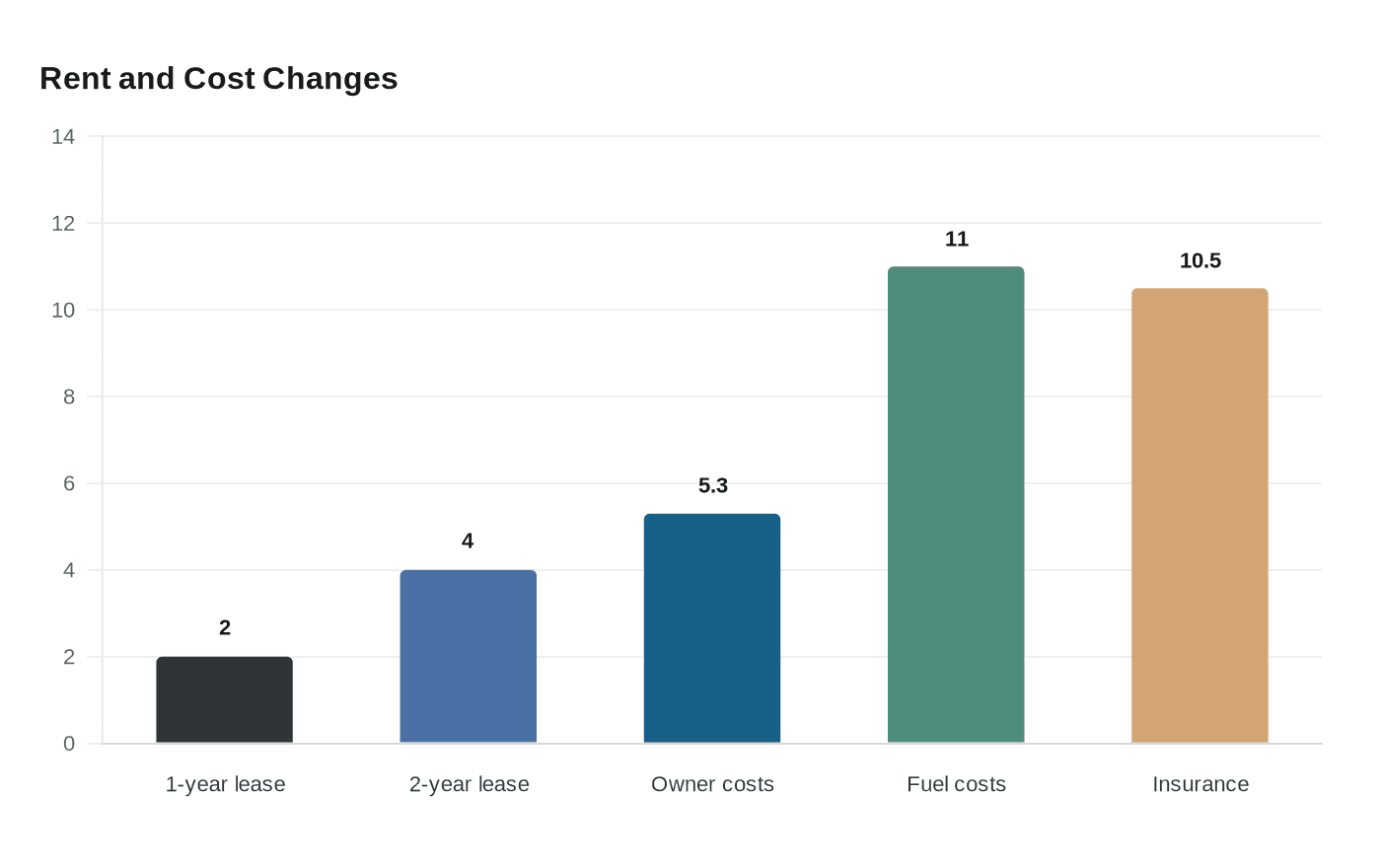
New York’s rent board took the first major test of Zohran Mamdani’s affordability agenda and left tenants with a real shot at a rent freeze. The nine-member New York City Rent Guidelines Board voted Thursday night to set a preliminary range of 0% to 2% for one-year leases and 0% to 4% for two-year leases, a decision that affects about 1 million rent-stabilized apartments and the 2.4 million New Yorkers who live in them.
The vote was Mamdani’s first since taking office and underscored how quickly the annual rent-setting process has become a political flashpoint. Mamdani has already appointed six of the nine board members, giving him a majority on the panel that decides whether rents rise, hold steady or freeze for the city’s regulated housing stock. The preliminary vote does not lock in final rents, but it keeps a zero-increase option alive as the board moves toward its June 25 final decision.
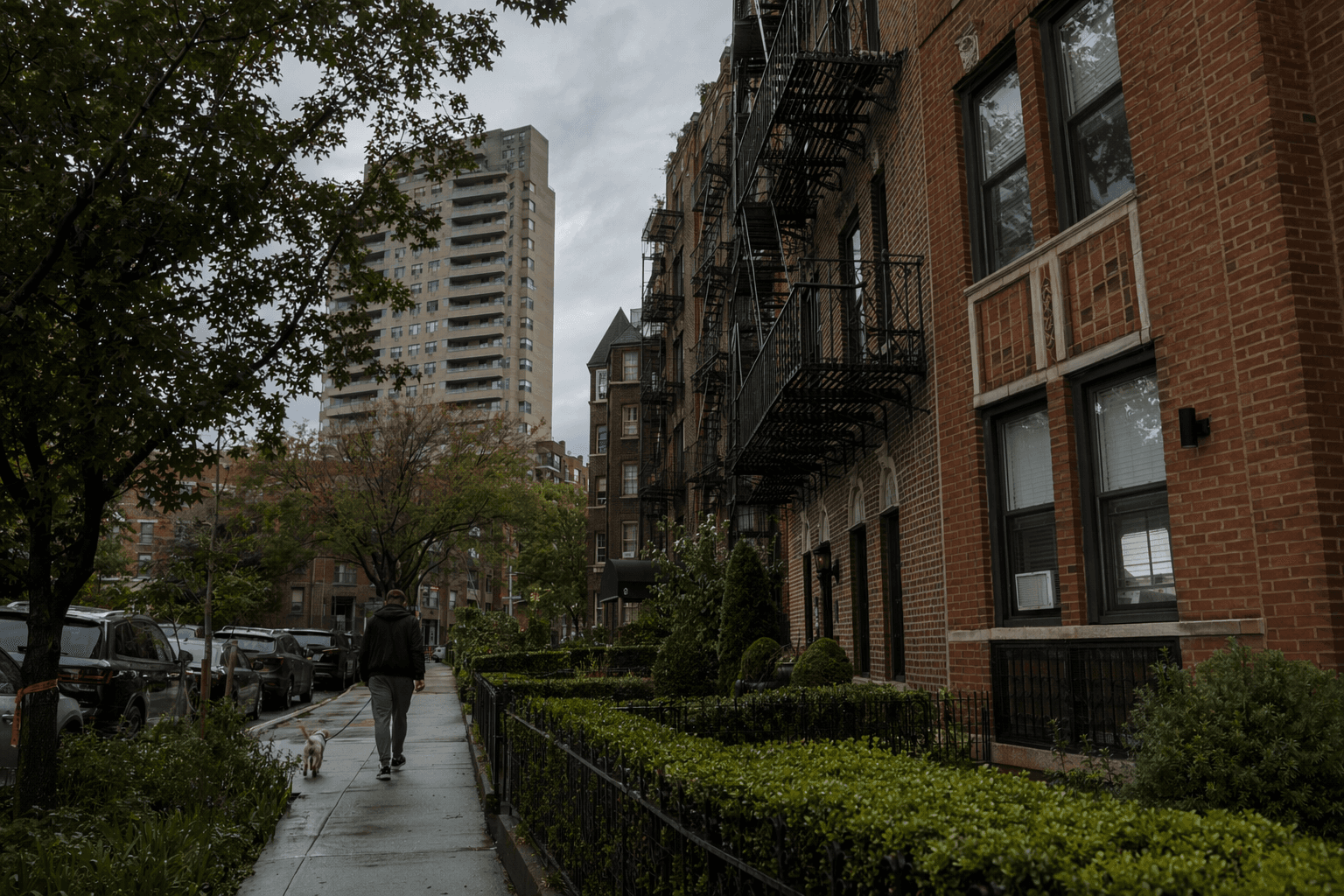
For tenants, the immediate effect is uncertainty with a narrow path to relief. The board will hold public hearings across the five boroughs before settling the guidelines, and any final increase would apply only to leases beginning on or after Oct. 1. Tenants rallied outside the vote in Long Island City, Queens, where the fight over housing costs has become a central measure of whether City Hall can respond to the cost-of-living squeeze without weakening the city’s rent-stabilized system.
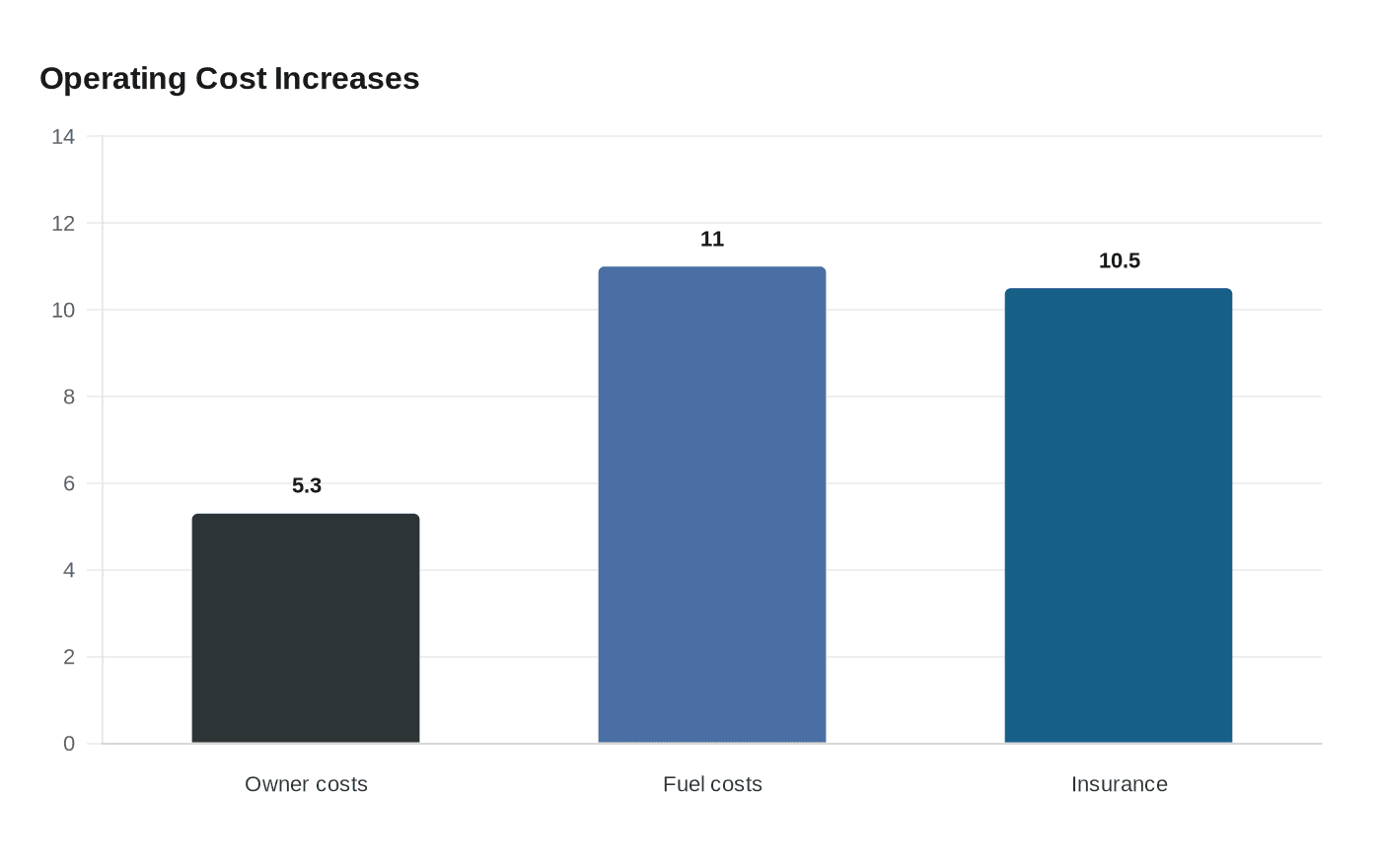
Landlord advocates warned that a freeze would add pressure to buildings already facing higher expenses. The board’s own 2026 Price Index of Operating Costs showed owner costs rising 5.3%, driven in part by an 11.0% jump in fuel costs and a 10.5% increase in insurance costs. Owners say those expenses, along with broader operating costs, make some increase necessary to keep buildings maintained.
The vote also marked a sharp turn from the Eric Adams era, when the board approved rent increases. In a city where rent-stabilized apartments shape the housing market far beyond the regulated stock, the outcome will be watched nationally as a measure of how Democratic-led cities are balancing tenant relief, landlord finances and the long-term supply of affordable housing. New York has become the bellwether, and Mamdani has now put his signature promise on the board’s agenda.
This article was produced by Prism’s automated news system from verified source data, official records, and press releases, then run through automated quality and moderation checks before publishing. The system is built and supervised by the people who set the standards it runs under. Read our full AI policy.
Did this article answer your question?

