Rep. Jason Crow warns Iran war could become long, costly conflict
Jason Crow said Iran fits a familiar U.S. pattern: big Middle East fights with no real exit. He warned the war could drag on for decades.
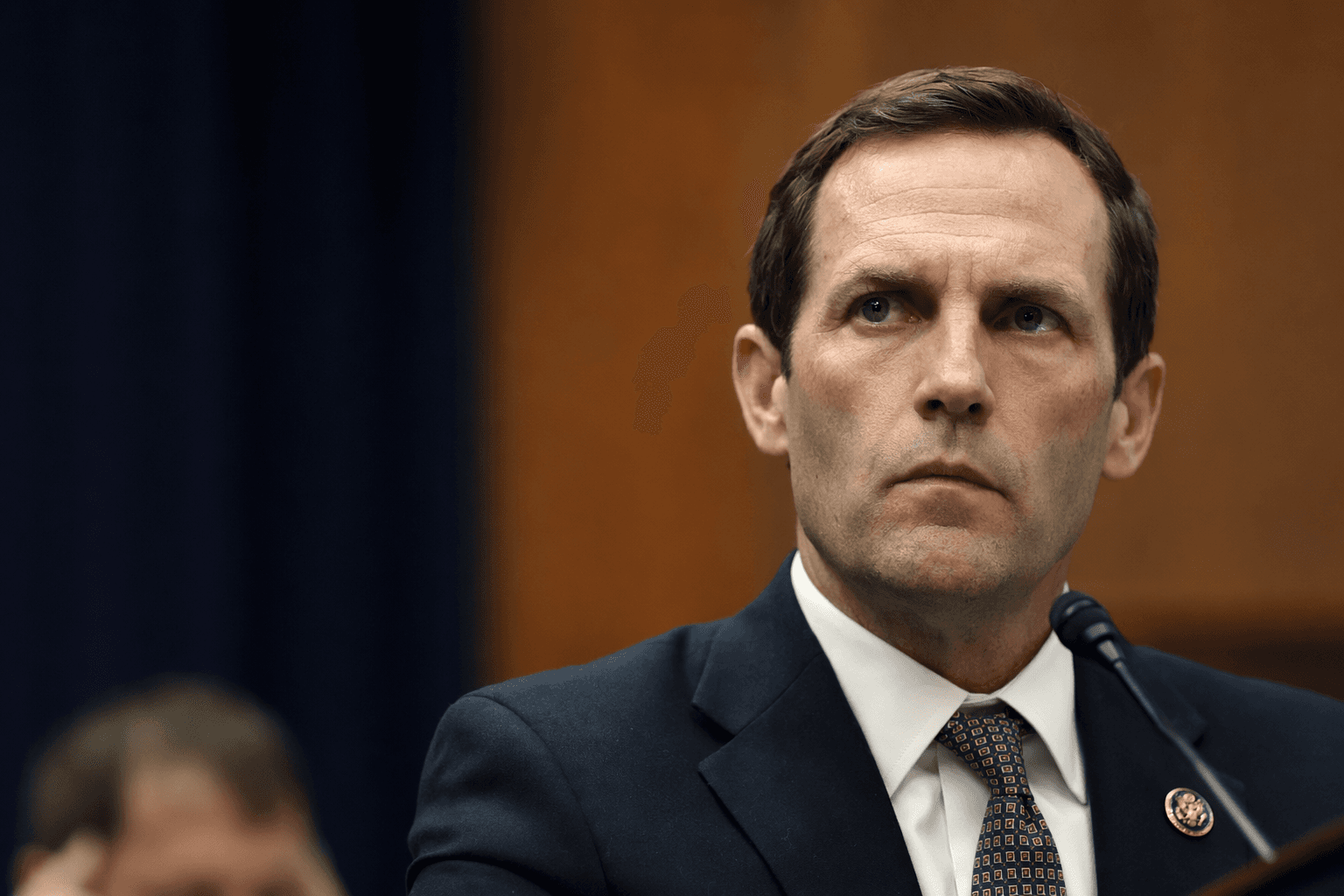
Rep. Jason Crow said the Iran war exposed a familiar U.S. failure: entering Middle East conflicts without a clear way out. The Colorado Democrat, who serves on the House Armed Services Committee and the House Permanent Select Committee on Intelligence, said on Face the Nation that the United States is "not good at having off ramps and accomplishing large strategic decisions in the Middle East."
Crow, a former Army Ranger and paratrooper, said Washington has "confused, as a nation, tactics versus strategy" and warned that the conflict could harden into something open-ended, stretching for "5, 10, 20 years." Speaking while attending the McCain Institute Forum in Sedona, Arizona, he cast the fight with Iran as part of a larger pattern in which military action begins faster than a political plan for winding it down.
He pointed to Iraq and Afghanistan as the clearest evidence. The United States spent trillions of dollars in those wars, Crow said, only to end up with the Taliban back in power in Afghanistan and ISIS emerging in Iraq. That history, he argued, should force leaders to ask whether the country has built any real off-ramp before escalating again in the Middle East.
Crow’s warning landed in the middle of a live fight over war powers and presidential authority. CBS News reported that President Trump told congressional leaders hostilities with Iran had "terminated" as a key War Powers deadline passed, while Democrats in Congress pressed to invoke the War Powers Resolution of 1973. In April, after House Republicans voted down a War Powers Resolution, Crow called the outcome a "disgrace," sharpening his criticism of lawmakers who he said were failing to check a war that lacked a defined end state.

The costs were mounting alongside the constitutional dispute. Defense officials told lawmakers that the Iran war had cost roughly $25 billion so far, and CBS News later reported internal estimates putting the price closer to $50 billion. On May 1, Brent crude briefly topped $126 a barrel and the U.S. average gas price reached $4.39 per gallon, a reminder that the conflict was already rippling through household budgets and global energy markets.
Crow has also pressed intelligence officials on the uncertainty surrounding Iran’s leadership after the death of Ayatollah Ali Khamenei. In March, he questioned DNI Tulsi Gabbard about what came next in Tehran. At the same time, lawmakers and Pentagon officials have warned that global munitions stockpiles are low and that the United States is struggling to replenish the missiles and interceptors being used in the conflict, another sign that tactical action is moving faster than the machinery needed to contain its consequences.
This article was produced by Prism’s automated news system from verified source data, official records, and press releases, then run through automated quality and moderation checks before publishing. The system is built and supervised by the people who set the standards it runs under. Read our full AI policy.
Did this article answer your question?

