Repeated Strikes Pressure Tuapse Port, Ship Burns and Pier Damaged
Videos show a new explosion at the Russian Black Sea port of Tuapse as Ukrainian naval drones struck again on 10 November, setting a ship ablaze and damaging dock infrastructure. The attack deepens pressure on Russian fuel exports, highlights Moscow’s efforts to control information, and raises fresh risks of escalation across the Black Sea.

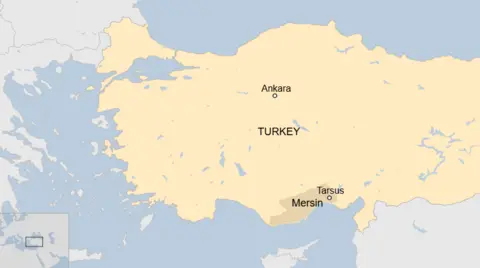
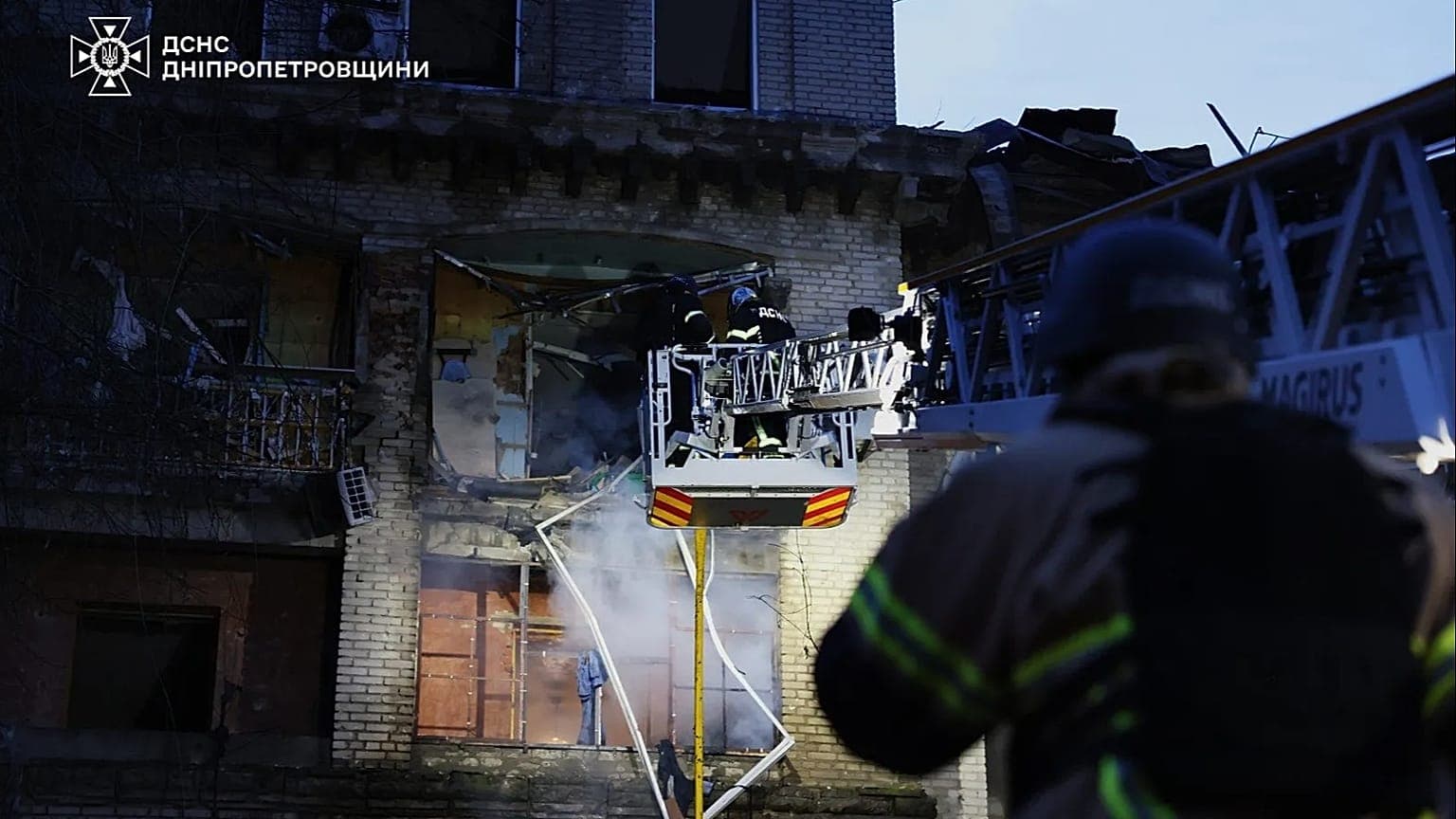
Early on 10 November, an explosion rocked the port of Tuapse on Russia’s southern Black Sea coast, footage published online and cited by regional outlets showed. Astra reported that Ukrainian naval drones struck the harbor in the early hours, a strike that left a vessel burning and caused visible damage to a pier. Residents described powerful detonations as emergency services responded amid plumes of smoke over the port.
The incident marks the second reported strike on Tuapse in as many weeks. On 2 November a drone attack prompted the suspension of fuel exports from the harbor and forced a local oil refinery to halt operations. Those disruptions have already curtailed shipments from a key export node, amplifying commercial and logistical pressure on Russia’s energy infrastructure.
Analysts view the latest hit as part of a broader Ukrainian deep strike campaign that has increasingly reached into Russian territory and into occupied regions since last year. That campaign uses long range aerial drones and naval drones to target military sites, defense industrial facilities, and fuel and transport hubs deemed supporting Moscow’s war effort. The strikes are intended to degrade logistical networks and to constrain Russia’s ability to sustain operations at extended distances from the front lines.
The Tuapse strike also exposed a parallel battle over information. Russian officials initially confirmed that a drone boat attack had occurred, but parts of their statements were later deleted from public channels. The apparent rewriting or redaction of official material points to an acute sensitivity in Moscow about acknowledging vulnerabilities on home soil. It also highlights the difficulty governments face when adversary capabilities render rear areas less secure.
There were no immediate, independently verified reports of casualties, and local authorities provided limited detail in the hours after the blast. Video and social media material will likely be scrutinized by investigators and by intelligence services on both sides as they assess the strike’s mechanics and any wider operational implications.
The renewed pressure on Tuapse carries consequences beyond the immediate damage. The port has been a conduit for refined fuel and other energy products, and interruptions feed into regional supply concerns and market anxiety. For countries reliant on Black Sea transit corridors, the attacks complicate shipping routes and insurance calculations, and they underscore the growing insecurity of maritime approaches.
Legally and diplomatically the strikes add layers of complexity. Operations that reach into a state’s internationally recognized territory raise fraught questions about the limits of lawful self defense and the thresholds for escalation. Kyiv frames deep strikes as necessary to blunt Russian military capacity, while Moscow is likely to emphasize violations of its sovereignty.
As strikes extend the battlefield into logistics and industry, the war’s ripple effects continue to touch global energy markets, regional security calculations, and the diplomatic space for de escalation. Tuapse’s repeated targeting suggests that even ports far from front lines are no longer immune, and that both sides will confront new strategic and legal dilemmas as the conflict persists.
Know something we missed? Have a correction or additional information?
Submit a Tip