Report condemns St Monica’s home where babies were left to die
A new study says babies at St Monica’s in Kendal were left to die, and survivors are now demanding police action, memorials and accountability.

A new report has deepened the reckoning over St Monica’s Maternity Home in Kendal, saying babies with serious disabilities were denied modern medical care and left to die inside a Church of England-run institution that operated for more than half a century. The findings have sharpened demands from survivors and relatives for police action, full records access and a public memorial for the children who never came home.
Dr Michael Lambert, an historian of the welfare state at Lancaster University, examined hundreds of national and regional archive documents and concluded that the deaths were driven by inadequate facilities, malpractice, poor care and a lack of oversight from both the Church and the state. His research says sick babies who were seen as unsuitable for adoption were allowed to die, including other infants described as "unadoptable."
The report names Judith Hindley’s son Stephen as one of the children caught in that system. Stephen was born at St Monica’s in January 1964 with spina bifida and hydrocephalus, and died 11 weeks later after being denied hospital treatment. Judith Hindley had told her husband, Steve, that she believed she was a wicked and worthless person after being sent to the home as a pregnant teenager, and that she had become pregnant after being raped.
Steve Hindley said the findings strengthened his determination to uncover the truth about what happened to Judith and Stephen. The evidence gathered by Lambert has now been handed to Cumbria Police, while Tim Farron, the Liberal Democrat MP for the area, has called for a fresh investigation and for the babies to be properly memorialised.
The new research adds 18 infant deaths to the 43 babies and two mothers previously identified as having been buried in mass unmarked graves at the home, bringing the total number of identified deaths to 61, along with 54 stillbirths. Even now, it remains unclear where all of the babies are buried, a gap that survivors say speaks to a wider failure to preserve records, names and dignity.
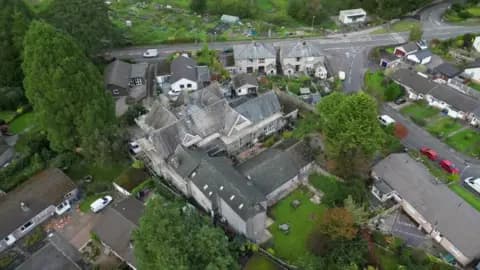
Cumbria Police has said it previously investigated historic allegations linked to St Monica’s and found no evidence of criminal activity. The Diocese of Carlisle said it was abhorrent that any child should be denied proper medical care and urged anyone with information to come forward.
The case sits inside a larger national scandal. An estimated 200,000 unmarried women were sent to mother and baby homes run by churches and the state between 1949 and the mid-1970s, many of them separated from their children under coercive pressure. In March 2026, Sir Keir Starmer said there was a "very strong case" for a government apology over the forced adoption scandal, raising the stakes for what justice now requires: a full accounting, open records, meaningful redress and public acknowledgment of the lives lost.
This article was produced by Prism’s automated news system from verified source data, official records, and press releases, then run through automated quality and moderation checks before publishing. The system is built and supervised by the people who set the standards it runs under. Read our full AI policy.
Did this article answer your question?