Report says Meta lets scam ads target seniors on Facebook, Instagram
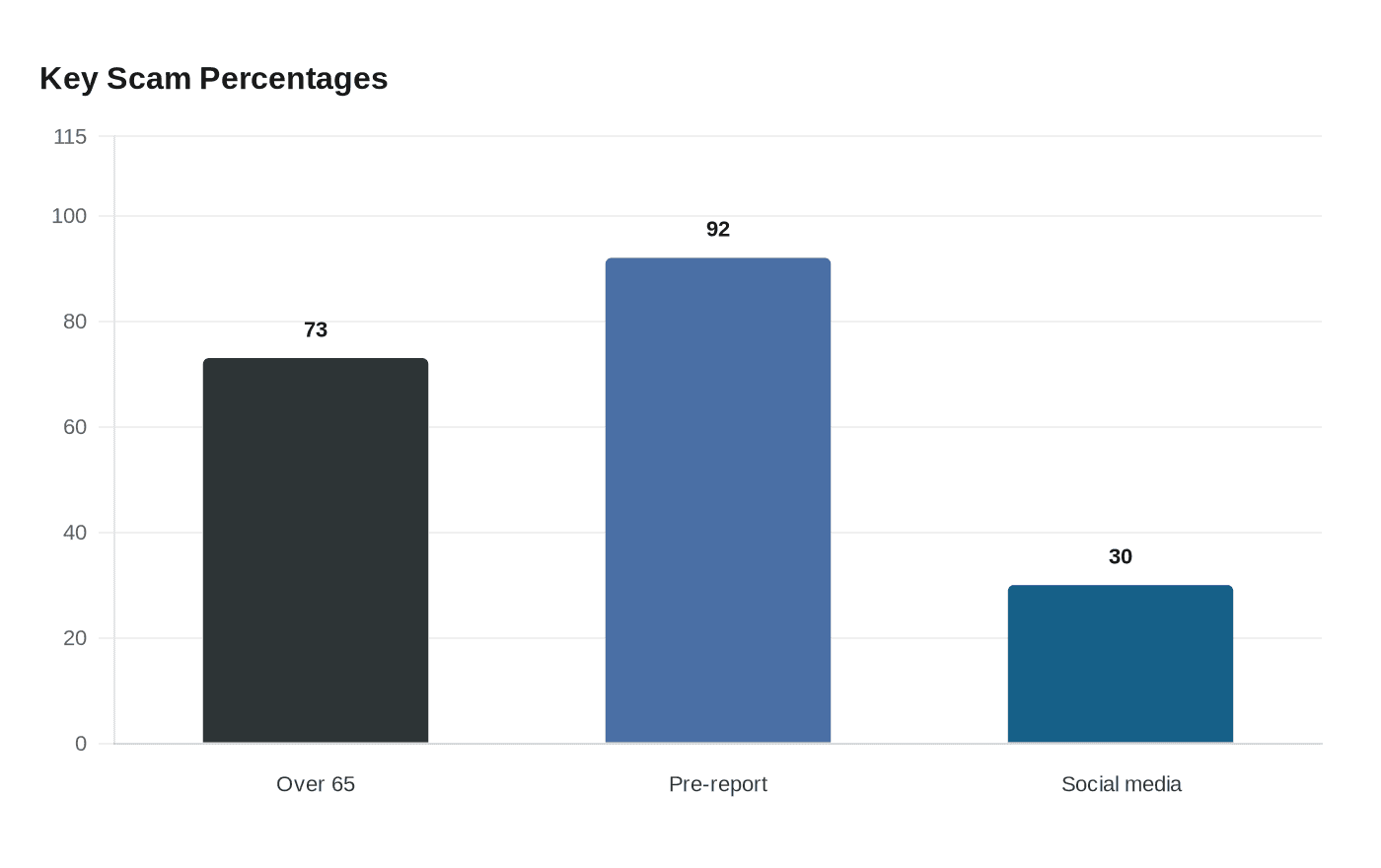
Scam ads on Facebook and Instagram reached older Americans at scale, with 73% of 215 million impressions hitting users over 65.

Meta’s Facebook and Instagram have become a lucrative channel for Medicare scammers, according to a new consumer-protection report that says fake celebrity ads repeatedly slipped through the company’s defenses and reached seniors by the millions.
The Center for Countering Digital Hate says 30 of the most active scam accounts generated an estimated 215 million ad impressions on Facebook over the past year, and 73% of those impressions came from users over 65. The group says those ads produced more than 185 million views by seniors and brought Meta $14.3 million in revenue, even as the platform removed some of the same kinds of ads again and again after they reappeared in nearly identical form.

The scam creative leaned on familiar faces and false urgency. Ads used fake images or videos of Donald Trump, Joe Biden, Oprah Winfrey, Steve Harvey, Brad Pitt and Bart Simpson to promise free money or Medicare-linked benefits. One ad told viewers, “Don’t be an idiot. Claim it now,” while dangling $3,600 in free groceries, rent and gas. The pitch typically pushed people to click through to a website or call a phone number, where scammers could collect personal data or steer victims into worse Medicare programs.
Texas and Florida were the most targeted states, a pattern that tracks with their large Medicare-eligible populations. Nearly 68 million American seniors and people with disabilities were enrolled in Medicare in 2024, and the Senate Finance Committee has warned that misleading Medicare marketing has harmed seniors and left them confused about their coverage and benefits.
Meta said it was reviewing the findings. Spokesperson Andy Stone said the company removed over 159 million scam ads last year and that 92% were taken down before anyone reported them. He also said Meta had launched new tools and partnered with law enforcement around the globe. The report argues that is not enough, saying the platform should be catching more scam ads before they are able to reach older users in the first place.
The findings land amid a broader surge in social-media fraud. In April 2026, the Federal Trade Commission said nearly 30% of people who reported losing money to a scam in 2025 said it started on social media, with reported losses reaching $2.1 billion. The agency said Facebook accounted for more reported losses than any other platform, underscoring how scam ads have turned social feeds into a major consumer-fraud pipeline.
This article was produced by Prism’s automated news system from verified source data, official records, and press releases, then run through automated quality and moderation checks before publishing. The system is built and supervised by the people who set the standards it runs under. Read our full AI policy.
Did this article answer your question?