Report warns of looming groundwater crisis for San Juan County
An 80-page report warned groundwater could fall 25–30% by 2050 without stronger policy. San Juan County depends on groundwater for drinking water and local livelihoods.
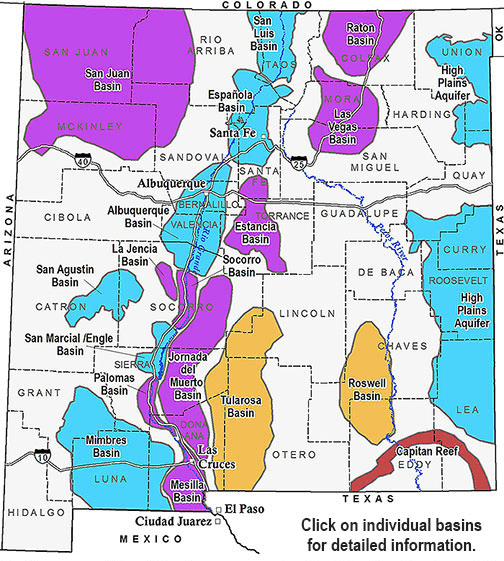
An 80-page report from the New Mexico Groundwater Alliance released Jan. 14 warned of a “looming groundwater crisis” driven by climate change and continued pumping, and said groundwater resources across the state could fall 25–30 percent by 2050 unless policy and data improve. Groundwater currently supplies more than half of New Mexico’s water and about 80 percent of the state’s drinking water, making any long-term decline a direct risk to households, farms and businesses in San Juan County and northwest New Mexico.
The report calls for expanded aquifer mapping, better monitoring of groundwater pumping, technical assistance for local groundwater management, and explicit inclusion of groundwater in regional planning. It ties the shortfall not only to climatic drying but to the lack of comprehensive data and coordinated management, arguing that incomplete maps and fragmented monitoring hinder long-term planning and emergency response.
The report included a succinct warning of the stakes: "Groundwater management is paramount to the resilience of water supplies, communities, and economies for generations to come." That line underscores the report’s emphasis on long-term resilience rather than short-term fixes.
At the state level, lawmakers proposed record funding for mapping and water programs in the 2026 legislative session, including more than $22 million targeted to aquifer mapping and related efforts. The proposed investments reflect growing recognition in Santa Fe that better data is a prerequisite for effective groundwater management and that technical support will be needed at the local level.

For San Juan County residents the consequences could be tangible. Many households, municipal systems and agricultural operations in northwest New Mexico rely heavily on groundwater. Declines in aquifer levels can increase the frequency of well failures, raise pumping costs, reduce irrigation reliability and complicate plans for economic development. Without clearer maps and consistent monitoring, local officials face difficult trade-offs between sustaining existing water uses and preparing for long-term scarcity.
The report frames a route forward centered on information and local capacity: map where groundwater sits and how it flows, track who is pumping and how much, and build technical assistance so communities can steward resources with better evidence. Those steps would also shape how regional planning and permitting account for groundwater availability.
As the Legislature considers funding and as local leaders weigh priorities, residents in San Juan County should expect more public conversations about mapping, monitoring and management. The choices made over the next year about data and policy will shape water reliability for decades, and the report positions improved science and coordinated planning as the first line of defense against a projected statewide decline.
Sources:
Know something we missed? Have a correction or additional information?
Submit a Tip