Reproxalap eases dry-eye symptoms in trial, but FDA remains skeptical
Reproxalap eased dryness more than placebo in phase 3 testing, but the FDA’s third rejection shows symptom relief alone still may not win approval.
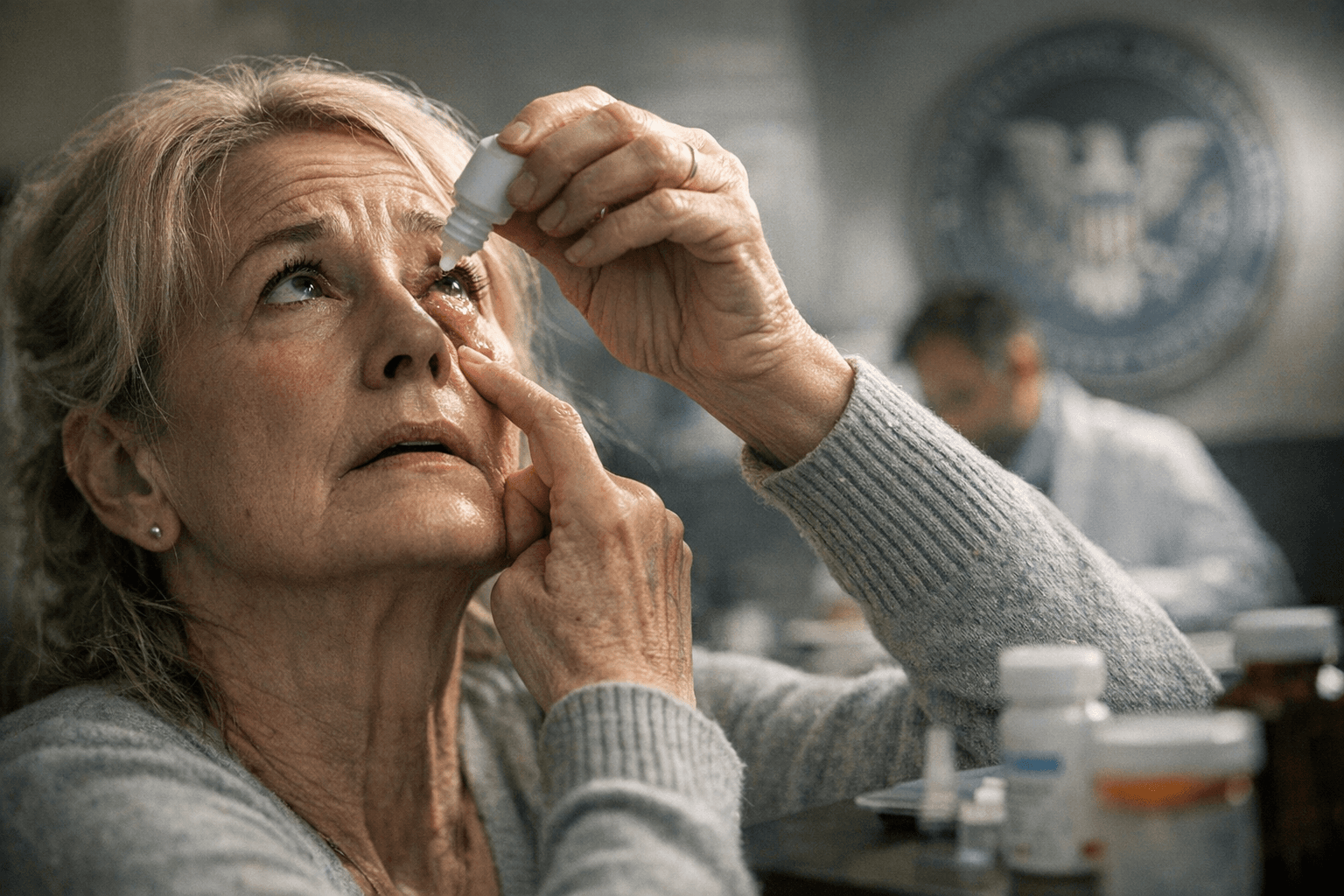
Reproxalap cut dry-eye symptoms more than placebo in phase 3 testing, yet the result still left the drug short of the regulatory confidence Aldeyra Therapeutics needs. In a 116-patient, single-center, double-masked trial presented at the American Society of Cataract and Refractive Surgery 2026 meeting, patients receiving reproxalap reported a nearly 17-point drop in eye dryness on a visual analog scale after exposure to a specialized dry-eye chamber, compared with about a 10-point drop for placebo.
The chamber was designed to provoke symptoms rather than wait for them to emerge naturally. Patients sat in low-humidity, high-airflow conditions, kept their eyes open, and rated dryness every five minutes during a 100-minute exposure. That setup gave the study a controlled way to test whether reproxalap could relieve discomfort under stress, and the drug separated from placebo on the primary symptom readout.
The clinical signal was encouraging, but the regulatory backdrop was more sobering. In mid-March, the U.S. Food and Drug Administration declined to approve reproxalap for dry eye, marking the third rejection of Aldeyra’s application for the treatment. That history matters because it shows where the agency’s doubts now sit: not just whether the drug can improve symptoms in a study, but whether the full package of evidence is strong enough on efficacy, consistency and readiness for real-world use.
Dry eye is common, often chronic, and can interfere with daily activities, which makes a fast-acting treatment attractive if the effect is durable and convincing. Reproxalap appears to have a biologically active effect, and some patients also reported a brief menthol-like sensation after dosing, a sign the drug was doing something noticeable at the eye surface. Most adverse events were mild, though ocular adverse events were more common in the reproxalap group than in placebo, even if they were generally short-lived.
For Aldeyra, the latest study offered both momentum and frustration. A nearly 17-point symptom reduction suggests the drug can move the needle in the right setting, but the FDA has already signaled that one strong endpoint in one controlled challenge model may not be enough. The next step will likely require more evidence, more negotiation, or both, as the company tries to turn a promising symptom study into an approval package the agency will trust.
This article was produced by Prism’s automated news system from verified source data, official records, and press releases, then run through automated quality and moderation checks before publishing. The system is built and supervised by the people who set the standards it runs under. Read our full AI policy.
Did this article answer your question?


